
Headaches are a common complaint when starting Mounjaro. They can range from a dull, nagging ache to something more intense that disrupts your day. If you’re dealing with headaches on tirzepatide (the active ingredient in Mounjaro), understanding the causes can help you find relief.

Headaches on Mounjaro are usually caused by dehydration, blood sugar changes, or caffeine adjustments. They typically improve within the first few weeks on a stable dose. Drinking more water, eating regularly, and managing caffeine intake can reduce headache frequency and severity.
Key takeaways

Why does Mounjaro cause headaches?
Headaches on Mounjaro can stem from several causes, often working together. Identifying what’s triggering yours can help you address it more effectively.
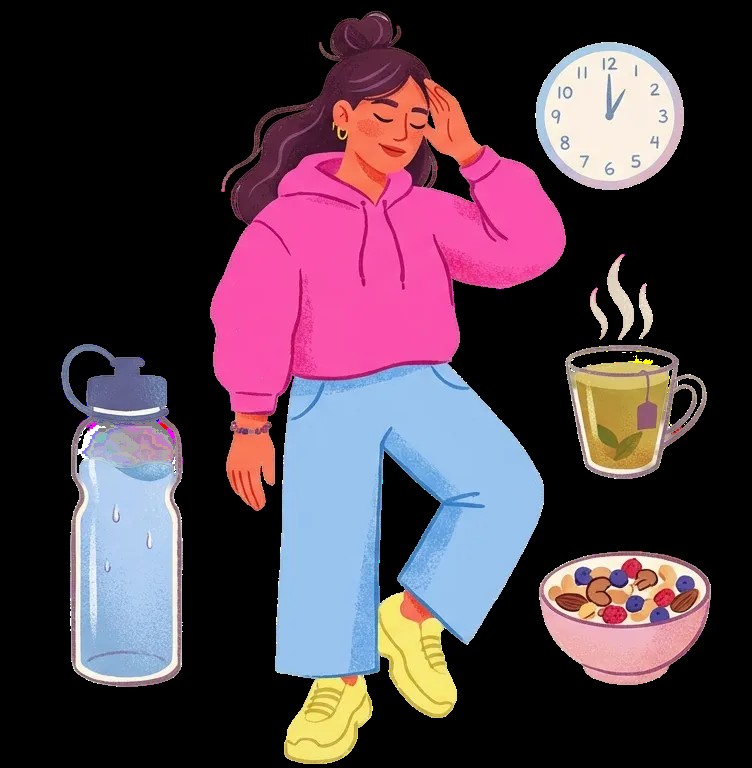
Dehydration
This is the most common culprit. When you’re eating less on Mounjaro, you’re also getting less fluid from food. Add in potential side effects like diarrhoea or feeling sick that reduce fluid intake, and dehydration can creep up quickly.
Even mild dehydration causes headaches. Research published in Current Pain and Headache Reports found that inadequate fluid intake can pull on pain-sensitive structures surrounding the brain, causing head pain. This reverses once you rehydrate.
Signs you might be dehydrated:
- Dark yellow urine (should be pale yellow)
- Dry mouth or lips
- Feeling thirsty
- Headache that improves after drinking water
- Fatigue or low energy

Blood sugar changes
Mounjaro helps stabilise blood glucose levels, which is one of its benefits. But if your body was used to higher blood sugar, the adjustment to lower, healthier levels can trigger headaches.
Low blood sugar (hypoglycaemia) causes headaches. This happens when blood glucose falls below 70 mg/dL (around 4 mmol/L), the units doctors use to measure blood sugar levels. Whilst true hypoglycaemia is uncommon on Mounjaro unless you’re also taking insulin or certain other diabetes medications, your body might still react to relatively lower glucose levels than it’s used to.
Hypoglycaemia means your blood sugar has dropped below the level your brain needs to function properly. Since the brain relies almost entirely on glucose for energy, even modest dips can cause headaches, dizziness, and difficulty concentrating.
Caffeine reduction
If you’ve cut back on coffee or tea since starting Mounjaro, perhaps because of nausea or reduced appetite, caffeine withdrawal could be causing your headaches.
Research reviewed in Psychopharmacology found that caffeine withdrawal headaches typically start within 12 to 24 hours of your last caffeine dose, peak around 20 to 51 hours, and can last for 2 to 9 days. Around half of people who stop caffeine experience headaches as a withdrawal symptom.
The mechanism involves blood vessels in the brain. Caffeine constricts these vessels, and regular consumption causes your brain to adapt. When you reduce caffeine, the vessels dilate again, increasing blood flow and triggering pain. If you’re cutting back, doing so gradually (around 25% reduction per week) can help avoid this trigger.
Not eating enough
Skipping meals or severely restricting calories can trigger headaches, especially if your blood sugar drops. Mounjaro suppresses appetite, and some people end up eating far too little without realising it.
Your brain needs a steady supply of glucose to function. When that supply becomes erratic, headaches are a common result. The International Classification of Headache Disorders (ICHD-3) recognises fasting as a headache trigger, even in people without a history of migraines.
The adjustment period
Your body is adapting to a new medication that affects multiple systems. Headaches can simply be part of this adjustment, similar to how some people get headaches when starting other new medications or making major lifestyle changes.
Tension and stress
Weight loss journeys come with emotional components. Stress, anxiety, and physical tension can all contribute to headaches. If you’re also experiencing other side effects like digestive issues or Mounjaro-related fatigue, the overall physical stress might show up as head pain.
How long do Mounjaro headaches last?
Most people find that headaches improve within the first two to four weeks on a stable dose. Like many Mounjaro side effects, they tend to be worse at the beginning and after dose increases, then gradually fade.
If you notice a pattern of headaches worsening after each dose increase then improving, this is typical and suggests your body is adjusting appropriately.
Persistent headaches beyond a few weeks, or headaches that worsen over time rather than improving, should be discussed with your prescriber or GP.
How to get relief from Mounjaro headaches
Several strategies can help reduce the frequency and intensity of headaches whilst your body adjusts.
Drink more water

Staying well hydrated is crucial. Aim for at least 2 litres of fluid daily, more if you’re active or experiencing digestive side effects that increase fluid loss.
Hydration tips:
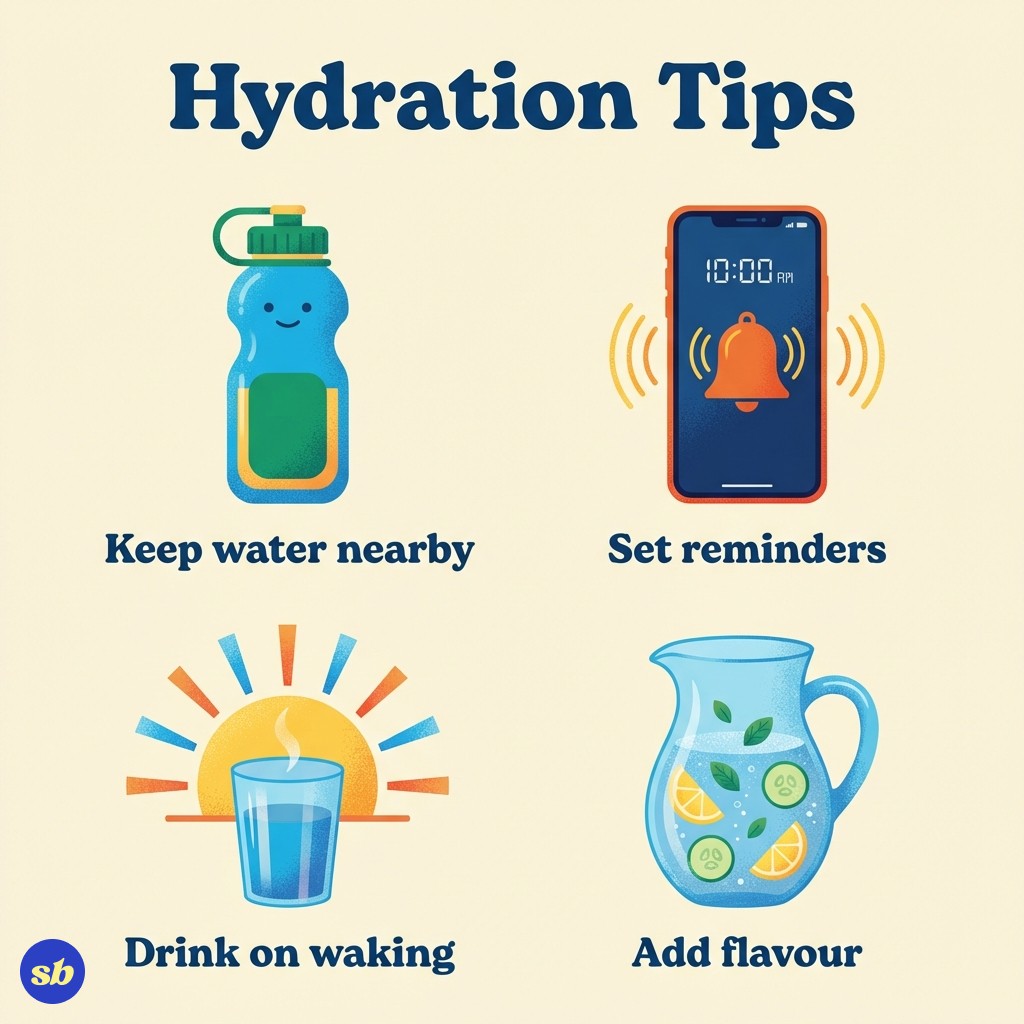
If plain water doesn’t appeal, try adding lemon or cucumber, or drink herbal teas. Electrolyte tablets or a pinch of salt in your water can help with absorption if you’re losing fluids through diarrhoea.
Eat regular meals
Skipping meals can trigger headaches, especially if your blood sugar drops. Even if you’re not hungry, try to eat something at regular intervals throughout the day.
Foods that provide steady energy:
- Protein-rich foods (eggs, Greek yoghurt, lean meats, fish)
- Complex carbohydrates (whole grains, vegetables, legumes)
- Healthy fats (nuts, avocado, olive oil)
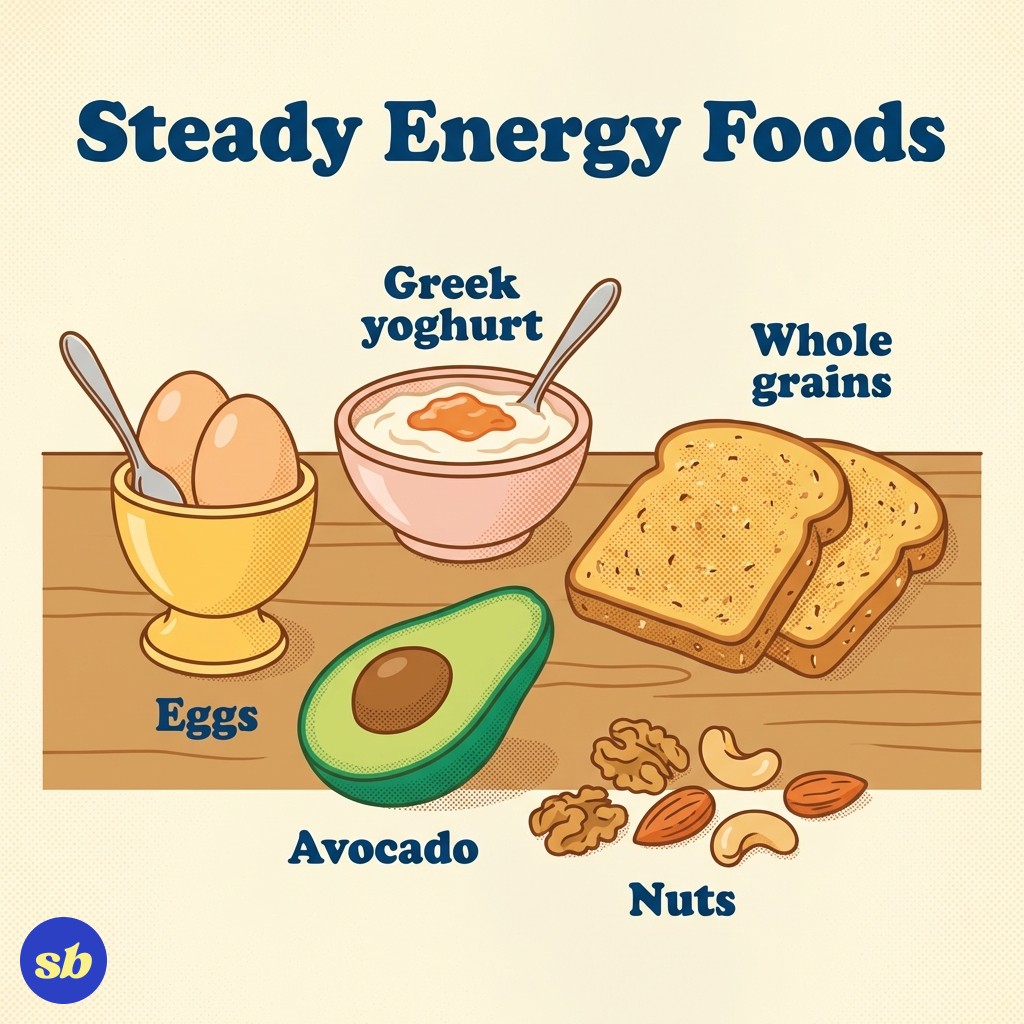
Small, frequent meals often work better than large ones when you’re adjusting to Mounjaro. The goal is steady nutrition rather than feast and famine.
Manage caffeine carefully
If you’re cutting back on caffeine, do it gradually. Reduce your intake by about 25% every few days rather than going cold turkey. This gives your body time to adjust without triggering withdrawal headaches.
If you’re not trying to reduce caffeine, maintaining consistent intake can help prevent fluctuation-related headaches. The problem often isn’t caffeine itself, but inconsistency.
Try over-the-counter pain relief
Paracetamol or ibuprofen can provide relief for occasional headaches. These are generally safe to use with Mounjaro, but check with your pharmacist if you’re taking other medications.
NHS guidance suggests paracetamol is usually the first choice for pain relief. Ibuprofen is also effective but should be used with caution if you’re dehydrated or have kidney problems, which can be more common during weight loss.
Don’t use pain relievers more than two to three days per week. Taking them more frequently can cause medication overuse headache (sometimes called rebound headache), which makes the problem worse.
Rest and reduce screen time
If possible, rest in a quiet, dark room when headaches strike. Bright lights and screen glare can worsen head pain.
Taking regular breaks from screens throughout the day can help prevent headaches from developing in the first place. A helpful rule is to look at something far away every 20 minutes for 20 seconds.
Apply cold or heat
Some people find relief from a cold compress on their forehead or temples. Others prefer warmth on the back of their neck. Experiment to see what works for you.
Check your posture
If you’re feeling tired or unwell, you might be slouching or tensing up without realising it. Poor posture can contribute to tension headaches.
Try gentle neck stretches and shoulder rolls throughout the day. Being aware of tension and consciously relaxing can help prevent headaches from building.
Headaches with migraines
Some people experience migraine-type headaches on Mounjaro: intense, throbbing pain often accompanied by sensitivity to light, sound, or nausea.
If you have a history of migraines, Mounjaro might trigger them more frequently, at least initially. Blood sugar fluctuations and dehydration are known migraine triggers, and both can occur during the adjustment period.
Managing migraines:
Headaches alongside other symptoms
Headaches rarely occur in isolation on Mounjaro. You might also experience:
- Dizziness, which often shares causes with headaches
- Tiredness, which can contribute to tension headaches
- Nausea, sometimes accompanying headaches
- Cold intolerance, which may mean you’re not eating enough
If you’re dealing with multiple symptoms, addressing hydration and nutrition often helps across the board. These are foundational fixes that support your body through the adjustment period.
When to see a doctor about headaches
Most Mounjaro headaches are annoying but not dangerous. However, seek medical attention if you experience:

Seek immediate help for
- Sudden, severe headache unlike any you’ve had before (sometimes described as “the worst headache of your life”)
- Headache with fever, stiff neck, or confusion
- Headache with vision changes, slurred speech, or difficulty speaking
- Headache with numbness or weakness on one side of your body
- Headache after a head injury
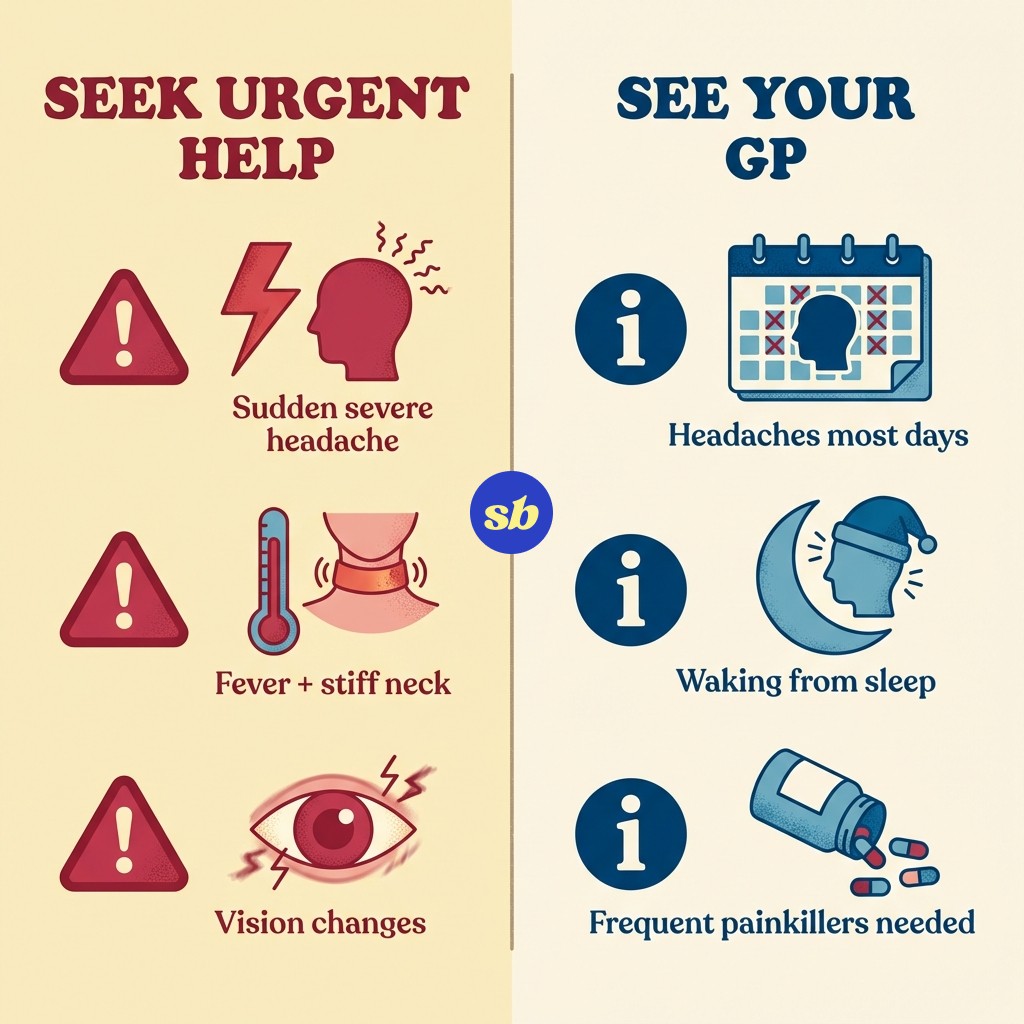

Contact your GP if
- Headaches don’t improve despite adequate hydration and regular eating
- You’re having headaches most days for more than two weeks
- Headaches wake you from sleep
- You’re over 50 and experiencing new headaches
- Headaches require frequent pain medication (more than 2 to 3 days per week)
- Headaches are accompanied by high blood pressure symptoms
Your doctor can check for underlying issues and make sure nothing else is contributing to your headaches. For general information about headaches and when to seek help, see the NHS headaches guide.
Frequently asked questions
Why do I get headaches when I increase my Mounjaro dose?
Dose increases intensify the medication’s effects, which can trigger a fresh adjustment period. Your body needs time to adapt to the stronger effects on appetite, blood sugar, and digestion. Headaches usually settle within a few weeks.
Should I take painkillers for Mounjaro headaches?
Occasional use of paracetamol or ibuprofen is fine and generally safe with Mounjaro. NHS guidance suggests paracetamol as a first choice, with ibuprofen being effective but requiring caution if you’re dehydrated. Avoid taking pain relievers more than two to three days per week, as this can cause medication overuse headache.
Are headaches a common side effect of Mounjaro?
Headaches are reported by some people starting Mounjaro, though clinical trial data suggests the rates are similar between those taking the medication and those taking a placebo. This means headaches may often be related to the changes that come with treatment (eating less, reduced fluid intake) rather than the medication itself.
Can I take paracetamol or ibuprofen with Mounjaro?
Yes, both paracetamol and ibuprofen are generally safe to use with Mounjaro for occasional headaches. Paracetamol is usually the first choice. If using ibuprofen, take it with food and make sure you’re well hydrated, as it can be harder on the kidneys when you’re dehydrated. Avoid using either more than two to three days per week to prevent medication overuse headache.
How much water should I drink to prevent headaches on Mounjaro?
Aim for at least 2 litres of fluid daily. If you’re experiencing digestive side effects like diarrhoea, or if you’re active, you may need more. Sipping water throughout the day is more effective than drinking large amounts at once. If plain water doesn’t appeal, herbal teas and water with lemon or cucumber count towards your intake.
Will my headaches go away after I adjust to Mounjaro?
Most people find that headaches improve within two to four weeks on a stable dose. Headaches may return briefly after each dose increase as your body readjusts, but they typically become less frequent and less intense over time. If headaches persist beyond a few weeks or worsen, speak with your prescriber.
Can Mounjaro trigger migraines?
If you have a history of migraines, Mounjaro may trigger them more frequently during the adjustment period. Blood sugar fluctuations and dehydration are known migraine triggers, and both can occur when starting or increasing your dose. Keeping a headache diary, staying hydrated, and eating regularly can help reduce migraine frequency.
What foods help prevent headaches on Mounjaro?
Foods that provide steady energy help prevent headaches by keeping blood sugar stable. Focus on protein-rich options like eggs, Greek yoghurt, and lean meats, combined with complex carbohydrates like whole grains and vegetables. Small, frequent meals work better than large ones. Avoid skipping meals, even if you’re not hungry.
The bottom line
Headaches are a common experience when starting Mounjaro, typically caused by dehydration, blood sugar changes, or the body’s adjustment to the medication. Clinical trial data from the SURMOUNT-1 study suggests headache rates are similar between people taking Mounjaro and those taking a placebo (Jastreboff AM, et al. N Engl J Med. 2022;387
), meaning the medication itself may not be the direct cause for most people.Staying well hydrated, eating regular meals, and managing caffeine intake can help reduce headache frequency and intensity. Over-the-counter pain relief is fine for occasional use, but persistent headaches should be discussed with your prescriber or GP.
Finding the right provider
If side effects are making you reconsider your current setup, it’s worth comparing what other UK providers offer. Clinical support, dose flexibility, and how easily you can talk to a prescriber when something feels off vary significantly between services.
Sources
Sources:
- Arca KN, Halker Singh RB. Dehydration and Headache. Curr Pain Headache Rep. 2021;25(8). PMC8280611
- Juliano LM, Griffiths RR. A critical review of caffeine withdrawal: empirical validation of symptoms and signs, incidence, severity, and associated features. Psychopharmacology. 2004;176(1). PubMed
- Headache Classification Committee of the International Headache Society (IHS). The International Classification of Headache Disorders, 3rd edition. Cephalalgia. 2018;38(1). ICHD-3
- NHS. Ibuprofen for adults. NHS website
- NHS. Headaches. NHS website
- MHRA. Mounjaro Summary of Product Characteristics. Electronic Medicines Compendium
- Jastreboff AM, et al. Tirzepatide Once Weekly for the Treatment of Obesity. N Engl J Med. 2022;387.