Starting a weight loss medication does more than just curb your appetite. It really changes how you think about breakfast. What used to be a quick slice of toast or a bowl of cereal might suddenly feel impossible. Maybe you’re not hungry at all, or the idea of anything sweet just turns your stomach. If you’re searching for healthy breakfast ideas that actually work alongside treatment, you’re in the right place.
The good news? You can still have satisfying, protein-rich breakfasts under 300 calories that actually work with your medication. We’ve pulled together protein breakfast ideas that fit everyday kitchens and tastes. No need to hunt down fancy ingredients — these are simple, realistic options for busy mornings or those days when you can barely face the thought of food.
You’re probably not eating the same portions as before, and that’s perfectly okay. Now, the goal is to get enough protein to protect your muscles and pick foods that go down easy when your stomach feels a bit delicate. During active weight loss, aim for around 0.45–0.55g of protein per pound of body weight daily — for someone weighing 176 lb, that’s roughly 80–100g spread across all meals. The NHS Eatwell Guide and British Nutrition Foundation have more on balanced eating and protein targets during weight loss.
Let’s see what actually works.

You can have satisfying, protein-rich breakfasts under 300 calories that work with your weight loss medication — from five-minute Greek yogurt cups to lighter full English breakfasts. The key is prioritizing protein, keeping portions flexible, and having options ready for mornings when your appetite is low.
Key takeaways

Quick and easy low calorie breakfast ideas
When you’re on treatment and mornings feel rushed, you need breakfast options that actually work with a smaller appetite. These recipes focus on protein, portion control, and speed.
Healthy on-the-go breakfasts
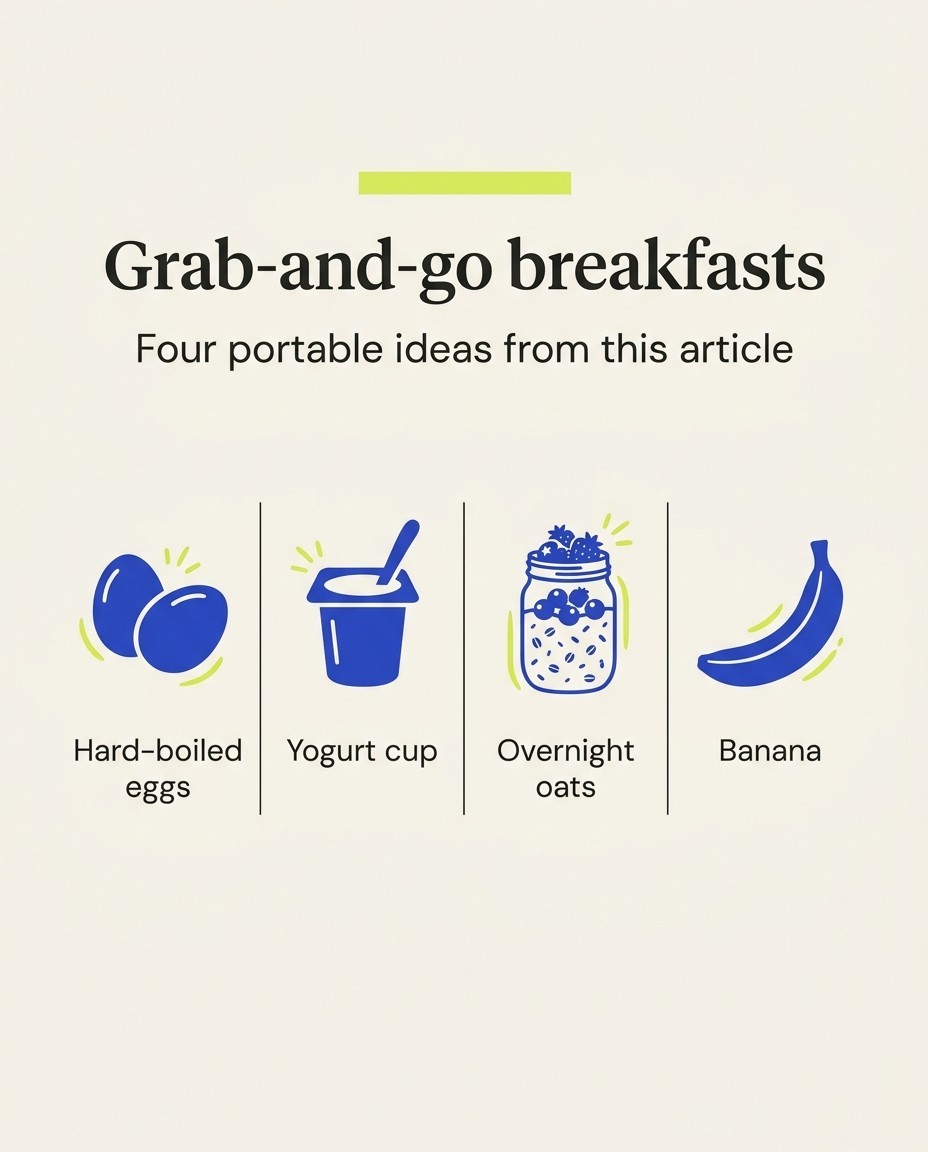
We’ve noticed that classic breakfast choices don’t always work when your appetite changes — research on breakfast composition and satiety suggests that what you eat matters more than how much. Sometimes, you just want something you can eat in the car or at your desk.
Hard-boiled eggs are a lifesaver. Boil a batch on Sunday and keep them in the fridge. Grab one or two with an apple for a 150-calorie breakfast that still packs in protein.
Greek yogurt cups travel well too. Stir a scant 1/2 cup of fat-free Greek yogurt with a handful of berries and a teaspoon of honey. You get about 120 calories and roughly 15g of protein.
If you can handle it, overnight oats are a good bet. Mix 1/3 cup oats with 2/3 cup unsweetened almond milk and a mashed banana, then leave it overnight. Add a sprinkle of granola in the morning for crunch. The whole thing is about 200 calories.
Some mornings, solid food just isn’t going to happen. That’s completely normal on GLP-1 medications like tirzepatide (Zepbound) or semaglutide (Wegovy), which reduce appetite as part of how they work. Having a protein-rich drink ready means you’re not skipping breakfast altogether.
Speedy smoothie recipes
Smoothies come into their own when chewing feels like a chore, especially if you’re dealing with nausea on Zepbound or similar medication. The trick with a low calorie smoothie breakfast is getting enough protein without loading up on sugar.
Try this: blend 2/3 cup unsweetened almond milk, a scant 1/2 cup Greek yogurt, half a banana, and a handful of spinach. You’ll get roughly 180 calories and 12g protein.
For a berry twist, swap the banana for 1/2 cup frozen berries. Frozen fruit thickens the smoothie without needing ice. Toss in a tablespoon of ground flaxseed for healthy fats.
Sometimes we add dates for sweetness instead of honey. Two pitted dates give natural sugar and fiber. If you soak them in warm water for five minutes, they blend much better.
If your appetite is really low, thin out your smoothie. Some days you’ll want about 1 1/4 cups, other days you’ll need it even more diluted. Just go with what your body wants.
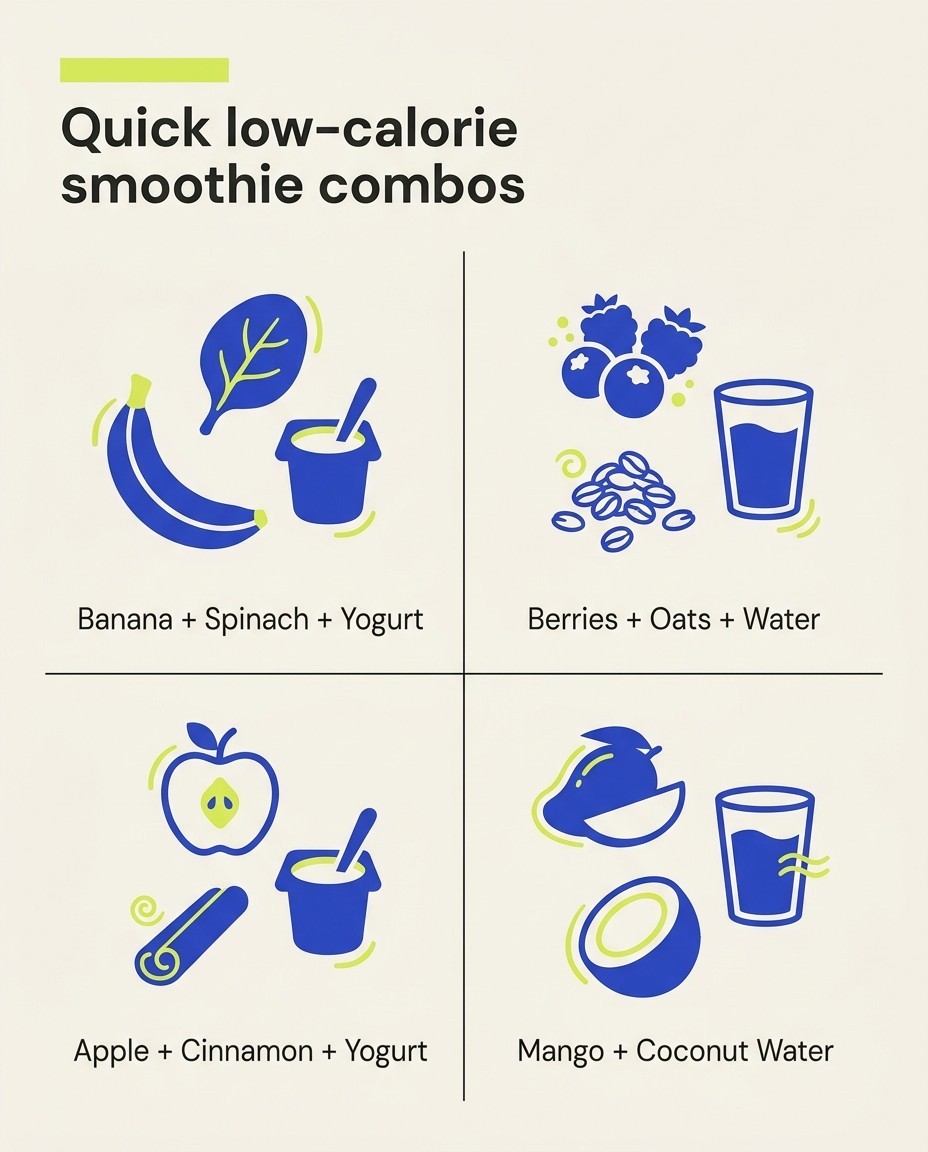
Simple smoothie combos:

Grab-and-go muffins and bars
Batch cooking on a Sunday gives you easy breakfast meal prep options all week. We make banana bread muffins with three mashed bananas, about 2 1/4 cups oats blended into flour, two eggs, and a teaspoon of baking powder.
Spoon the batter into 12 muffin liners and bake at 350°F for 20 minutes. Each muffin is about 90 calories. They freeze well, so you can always have one ready.
For something more filling, try protein breakfast bars. Mix about 2 1/4 cups oats, 2/3 cup chopped dates, 2 tablespoons honey, and 1/3 cup nuts. Press into a lined baking pan and bake at 325°F for 25 minutes.
You can also use an air fryer at 300°F and check after 15 minutes. Cut into 12 pieces — each is around 140 calories.
The best recipes are the ones you’ll actually want to make again. If banana bread isn’t your thing anymore, swap for apple and cinnamon muffins.
We always keep a stash in the freezer. Just grab one the night before and it’ll be ready by morning.
Classic British breakfasts with a healthy twist
Traditional British breakfasts can absolutely work when you’re on treatment, but you’ll need a few clever swaps to keep calories down and protein up.
Lighter full English breakfast
You don’t have to give up the classic fry-up. Broiling instead of frying slashes the calorie count.
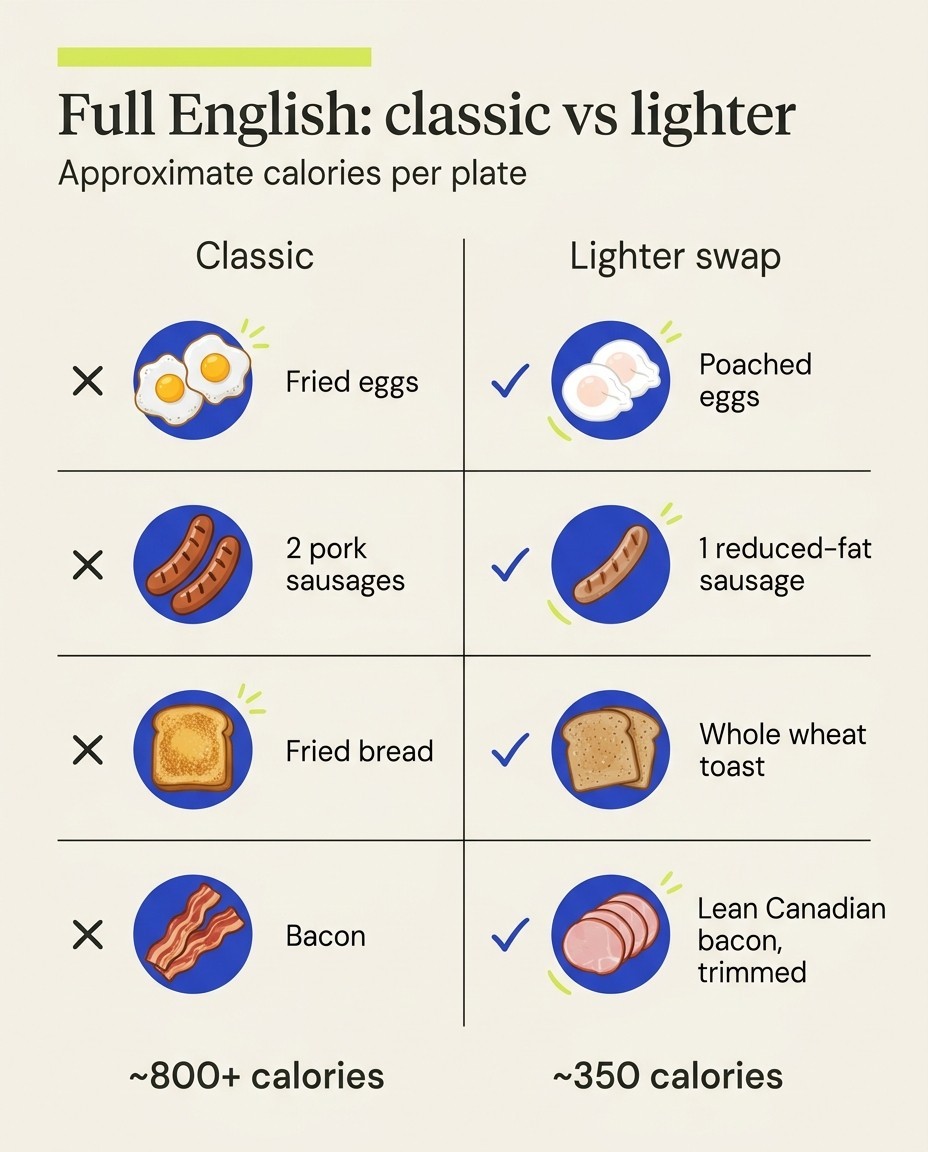
Start with two eggs (poached or scrambled with a splash of water, not butter). Add broiled tomato halves, mushrooms, and a small portion of baked beans. Pick lean Canadian bacon or bacon with the fat trimmed off, or go for ham. Want sausages? Use reduced-fat ones or just have one.
Skip the fried bread. Toast actually feels lighter when your appetite is low.
This healthy English breakfast lands around 350–400 calories instead of 800-plus. You’ll get about 25–30g of protein, which helps preserve muscle mass while you lose weight — something that’s especially important on weight loss medication, as rapid weight loss can cause muscle loss alongside fat. Research on UK breakfast habits shows that higher-protein breakfasts help maintain satiety throughout the morning.
Beans on toast variations
Beans on toast is classic comfort food, but the usual version is pretty carb-heavy and not that high in protein.
Try this: use one slice of whole wheat bread, not two, and top with a poached egg. That egg adds about 6g of protein and makes the meal more filling. You can also stir some chopped ham into the beans as they heat.
Fresh herbs like parsley or chives boost flavor without adding calories. A pinch of smoked paprika is nice too.
Some days, half a can of beans is more than enough. Appetite can be all over the place on treatment, so keep portions flexible.
Egg-based options
Eggs work brilliantly for a high protein, low calorie breakfast. Each one has about 6g of protein and they usually sit well even if you’re feeling a bit off.
Make scrambled eggs with egg whites plus one whole egg for more protein and fewer calories. Toss in spinach and some smoked haddock for a British kedgeree-style breakfast with around 30g of protein.
Use a non-stick pan and just a tiny bit of olive oil instead of butter. Season with black pepper and fresh herbs. A sprinkle of Parmesan gives you flavor without many extra calories.
Omelets are another solid option. Fill them with broiled tomato, mushrooms, and a bit of lean ham. They’re really filling, which helps if you’re spacing meals further apart.
Nutritious low calorie pancake and oat ideas
Pancakes and oatmeal are genuinely useful when you’re struggling with appetite. They’re soft, easy to boost with protein, and you can go sweet or savory depending on your mood.
Healthy pancake recipes
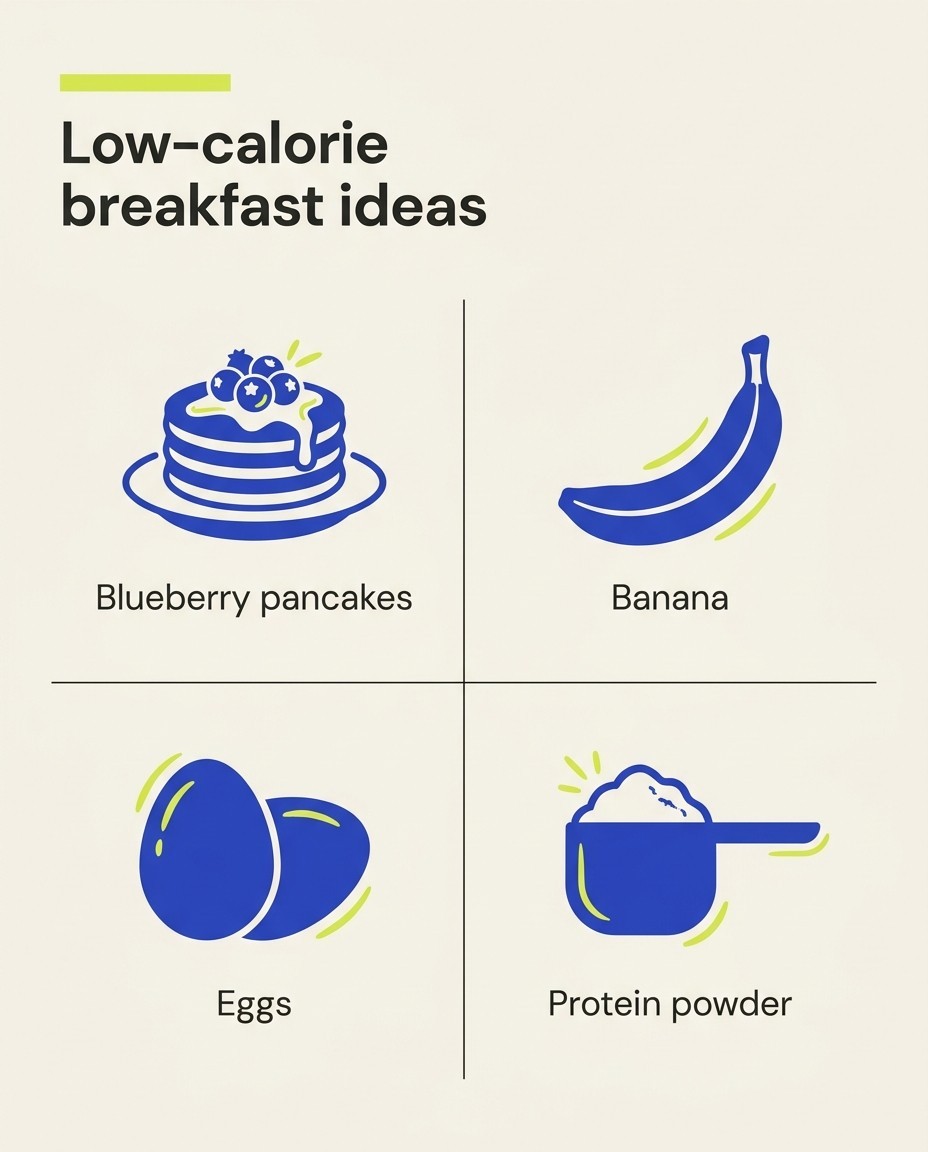
Basic protein pancakes only need three things: one mashed banana, two eggs, and a scoop of protein powder. Mix and cook in a non-stick pan with a bit of coconut oil spray.
Banana brings sweetness without syrup. Each pancake has about 80 calories and stays moist, which is great when everything else seems dry.
If you want them fluffier, add a teaspoon of baking powder. Cinnamon can help with nausea for some folks. Top with blueberries or sliced strawberries for a vitamin boost without many extra calories.
Savory twist: Ditch the banana and protein powder. Use two eggs with 1/3 cup rolled oats blended into batter. Add herbs or a bit of grated apple for moisture. This works better when you can’t face sweet foods.
For a chocolatey fix, stir in half a tablespoon of cocoa powder. It barely adds calories but makes things feel more indulgent.
Creative oatmeal and baked oats
Standard low calorie oatmeal with 1/2 cup oats and almond milk is about 180 calories. We sometimes use water if even almond milk feels too rich, then add toppings for flavor.
Baked oats, which research suggests may support sustained energy release, feel more like cake, which helps if regular oatmeal seems too gloopy. Blend 1/2 cup oats with half a banana, one egg, and a scant 1/2 cup almond milk. Pour into a ramekin and bake at 350°F for 20 minutes.
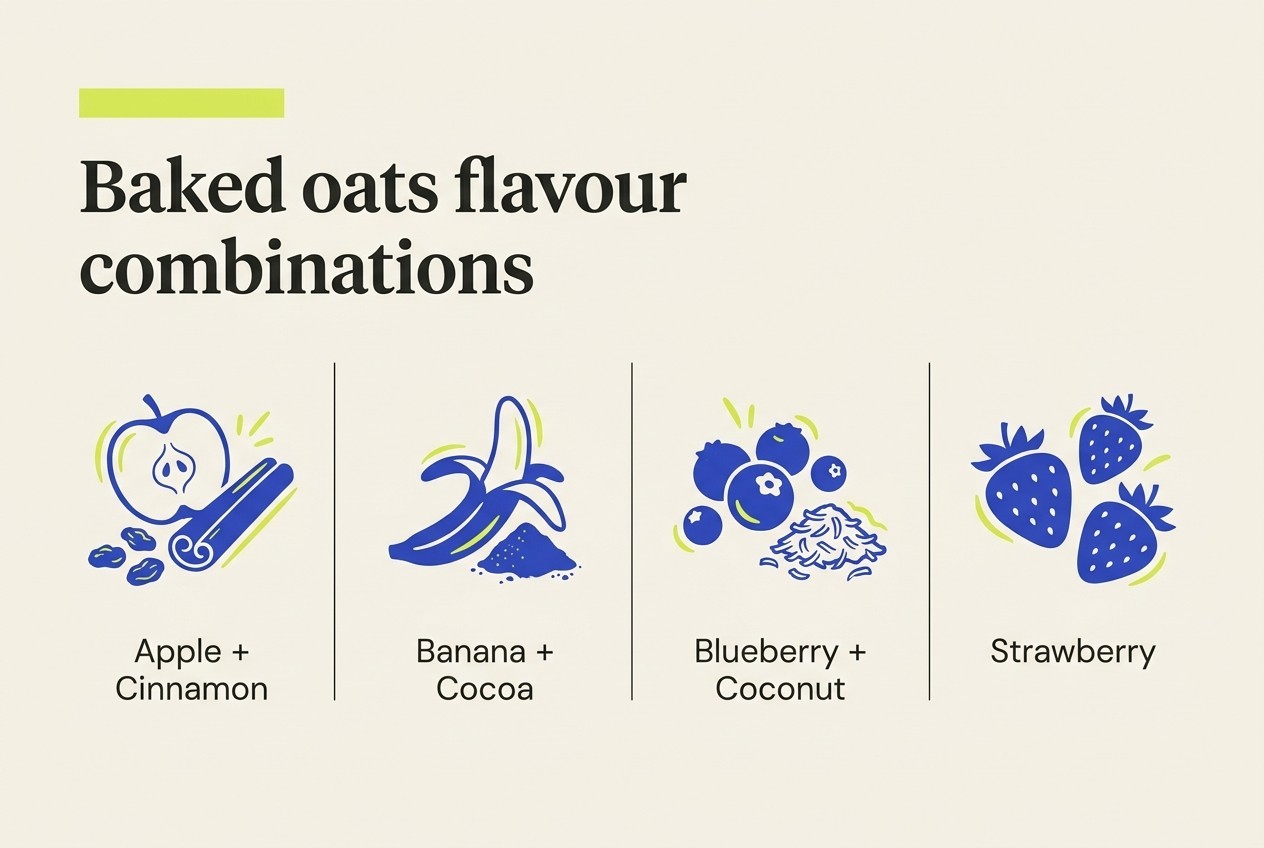
Some combos to try:
- Apple and cinnamon with a few raisins
- Banana and a teaspoon of cocoa powder
- Blueberries with a sprinkle of unsweetened shredded coconut
- Strawberries mixed in before baking
The egg bumps up the protein. The texture is firmer than oatmeal, which is handy when you can’t handle anything too liquid.
Baked oats reheat nicely. We make three at once and just warm them up on busy mornings.
Overnight oats favorites
Low calorie overnight oats are a no-cook, cold breakfast — great on bad nausea days. Mix 1/2 cup oats with a scant 1/2 cup almond milk in a jar and leave it in the fridge overnight.
By morning, the oats are soft and creamy, no cooking smells required.
We like to keep the base plain and add toppings just before eating. Try half a sliced banana, a few blueberries, or grated apple. A teaspoon of maple syrup adds about 20 calories if you need it sweeter.
Protein is a bit lower than with baked oats or pancakes — around 5g per serving. We fix that by stirring in a scoop of unflavored protein powder with the milk. It dissolves overnight and doesn’t mess up the texture.
Tips for low appetite:
Overnight oats last two days in the fridge. We don’t make more than that — texture really matters when you’re forcing yourself to eat.
Fresh and flavorful low calorie breakfast bowls
Breakfast bowls pack in nutrients without the heaviness that can trigger nausea. You can easily adjust them based on what you can stomach, and prepping ahead helps on rough mornings.
Smoothie bowl combinations
Smoothie bowls give you something to chew, which honestly helps when your appetite is unpredictable.
Here’s what works: blend frozen banana with a handful of frozen blueberries and a scant 1/2 cup unsweetened almond milk until thick. The frozen fruit gives it that ice cream texture. You want it thick enough for toppings to sit on top.
We usually add a spoonful of Greek yogurt for protein and creaminess. It makes it easier to hit your protein target without having to eat something like chicken at 7 a.m.
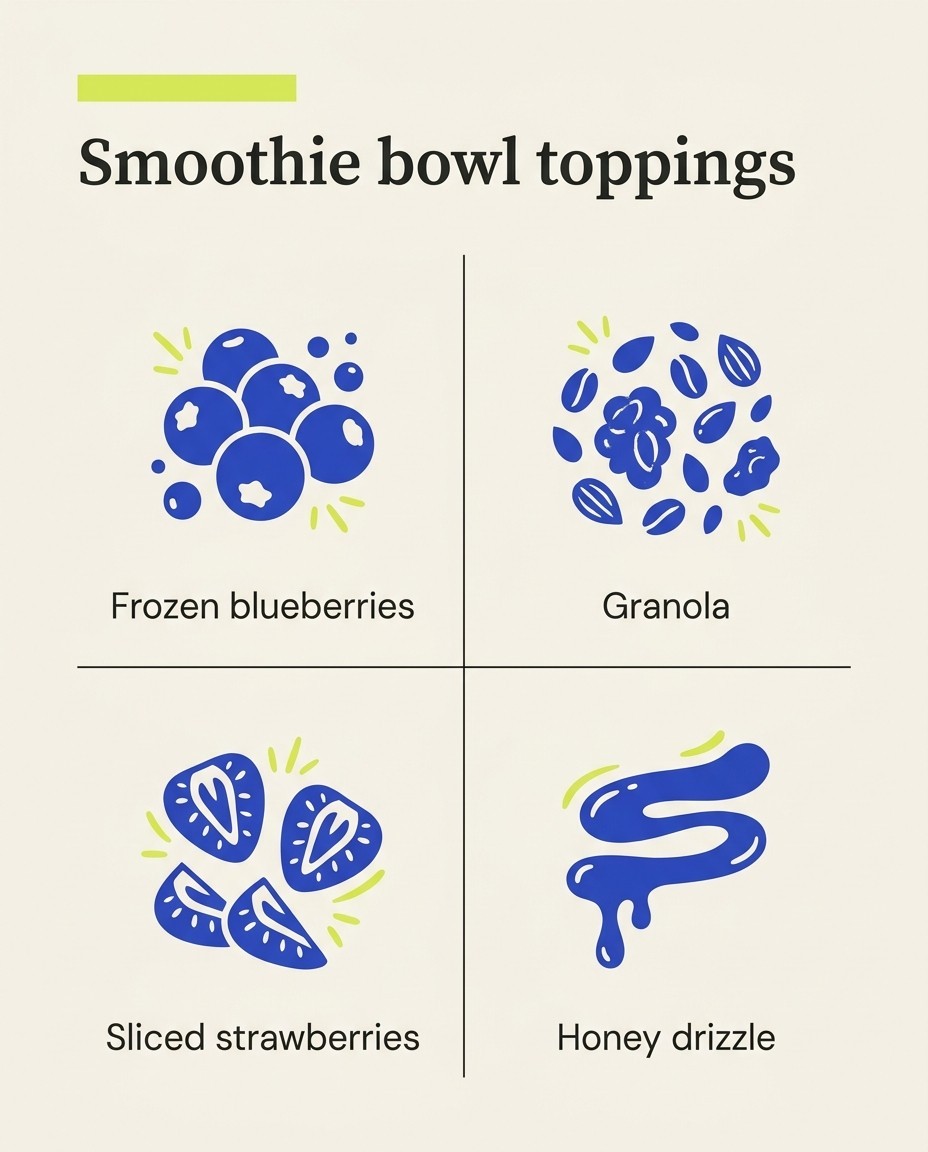
Topping ideas:
The whole bowl is about 250–300 calories, depending on how much you use. Some mornings you’ll finish it all. Other days, half is plenty — and that’s still a win.
Fruit and yogurt parfaits
Just layer about 2/3 cup of Greek yogurt with berries in a glass or jar. Honestly, that’s about all there is to it.
Greek yogurt packs in around 15g of protein per serving, which really helps if you’re trying to get enough protein during the day. We tend to go for the full-fat version — it tastes better and only adds about 30 extra calories compared to low-fat, plus the fat helps your body absorb vitamins from the fruit.
We like to do thin layers: yogurt, then blueberries, more yogurt, sliced strawberries, and maybe a few chopped dates on top if it needs a bit more sweetness. The dates give it some natural sugar and this caramel-like flavor that makes it feel a little more indulgent.
You can throw these together the night before if you want to save time. The berries soften up and release a bit of juice into the yogurt overnight, which actually works quite well. If you’re after some crunch, just keep granola on the side and toss in about a tablespoon right before you eat — enough for texture, but not enough to turn it into a calorie bomb.
Calories usually end up somewhere between 200 and 250, depending on what you add. It’s easy on the stomach but still feels like a real meal.

When to speak to your doctor or prescriber
- You’re regularly unable to eat any breakfast or skipping meals most days
- You’ve lost weight faster than expected (more than 2 lb per week consistently)
- Nausea is severe or isn’t improving after 2–4 weeks on a stable dose
- You’re feeling dizzy, weak, or faint — this could signal you’re not getting enough calories or fluids
- You’re concerned about hair thinning or muscle loss
The bottom line
Breakfast on weight loss medication doesn’t have to be complicated or forced. Start with whatever weight loss breakfast you can manage — even a small Greek yogurt with berries or a couple of hard-boiled eggs counts. Focus on getting protein into every breakfast to protect your muscles, and don’t worry if your portions are smaller than before. The recipes here are flexible, so adjust them to whatever your appetite allows on any given day. If you’re consistently struggling to eat in the mornings or losing weight faster than expected, speak to your doctor or prescriber for personalized advice.
Frequently asked questions
How much protein should I aim for at breakfast on weight loss medication?
Try to get at least 20–30g of protein at breakfast. During active weight loss, the overall daily target is around 0.45–0.55g per pound of body weight — for someone weighing 176 lb, that’s roughly 80–100g across all meals. Eggs, Greek yogurt, and protein powder are the easiest ways to hit this at breakfast.
What should I eat for breakfast if I feel nauseous in the morning?
Start with something cold and bland — overnight oats, a small smoothie, or plain Greek yogurt with berries. Avoid strong cooking smells by prepping the night before. If solid food isn’t possible, a protein smoothie still counts. Ginger tea or a sprinkle of cinnamon may also help settle your stomach.
Is it okay to skip breakfast on Zepbound or Wegovy?
It’s better to eat something small than nothing at all, especially to maintain your protein intake and protect muscle mass. Even a hard-boiled egg or a few spoonfuls of yogurt is worthwhile. If you consistently can’t face breakfast, mention it to your prescriber — they may adjust your dose timing or suggest other strategies.
How many calories should breakfast be when I’m losing weight?
Most of the breakfasts in this guide are between 150 and 300 calories, which works well for most people on treatment. Your total daily calorie needs depend on your starting weight, activity level, and medication dose, so speak to your prescriber or a dietitian if you’re unsure.
Can I still have oatmeal or oats on a low calorie diet?
Yes — 1/2 cup of oats with almond milk or water comes to about 180 calories. Oatmeal is a good option because it’s gentle on the stomach and you can boost the protein by adding an egg (in baked oats) or a scoop of protein powder. Keep toppings light to stay under 250 calories.
What’s the best breakfast for keeping muscle while losing weight?
Eggs, Greek yogurt, and protein-boosted smoothies are your best options. A two-egg scramble with spinach gives you around 15g of protein. A Greek yogurt parfait with berries adds another 15g. Combining protein with some complex carbohydrates (like oats or whole wheat toast) helps sustain your energy through the morning.
Are smoothies a good breakfast option on weight loss medication?
Smoothies are excellent when solid food feels difficult. The key is to include a protein source (Greek yogurt or protein powder) and avoid loading up on fruit sugar. A smoothie with almond milk, Greek yogurt, half a banana, and spinach gives you around 180 calories and 12g of protein.
How do I stop breakfast getting boring on a low calorie plan?
Rotate between categories: overnight oats one day, eggs the next, a smoothie bowl after that. Batch-cook muffins or baked oats on the weekend for variety. Changing toppings and flavors (cinnamon, cocoa, berries, dates) keeps the same base recipes feeling different.
This article is for general information only and doesn’t replace advice from your doctor or prescriber. If you’re taking weight loss medication, speak to your healthcare team before making significant changes to your diet. They can give you personalized guidance based on your health, medication, and weight loss goals.