

A lot of women notice their bodies changing during menopause, and weight gain is one of the most frustrating parts. Whether you’re in perimenopause or already past your last period, the experience is similar: you might feel like you’re doing everything the way you always have, but the number on the scale just keeps going up. The NHS has helpful guidance on managing menopause, and understanding the science behind these changes can make a real difference.

Research suggests that while aging leads to a slow weight gain of about 1 lb per year, menopause doesn’t directly cause you to gain weight. Instead, it changes where your body stores fat, pushing it toward your belly. Lower estrogen levels shift how your body burns energy, cut down on spontaneous movement (like fidgeting), and lower your resting energy expenditure. You start losing muscle and gaining fat during this transition, even if your total weight doesn’t change all that much.
It’s honestly overwhelming sometimes, especially when you’re already dealing with hot flashes, poor sleep, and all the other menopause “perks.” But knowing what’s actually happening in your body helps you work with these changes instead of fighting them. The upside? You can reduce weight gain during menopause with the right strategies: adjusting your food and staying active.
Key takeaways

Key reasons for weight gain during menopause
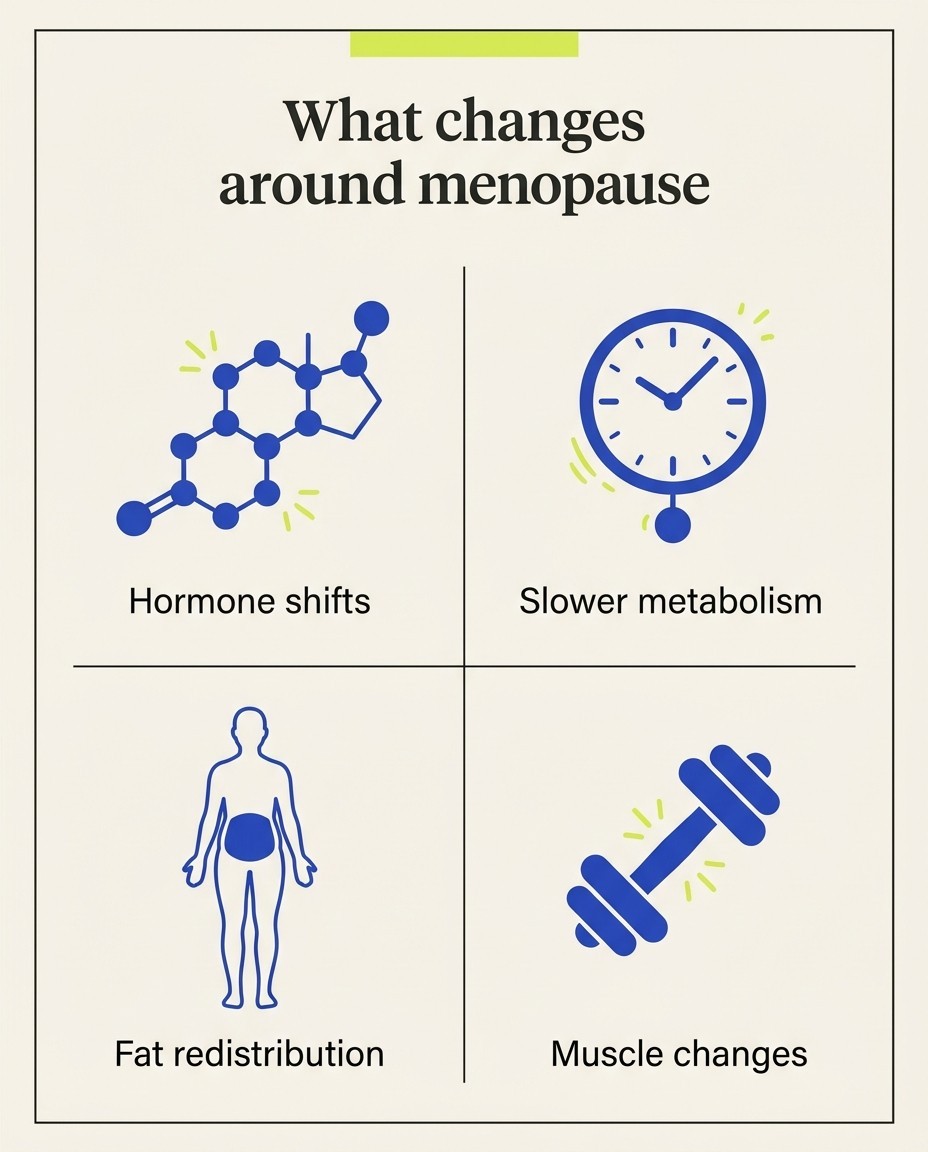
Weight gain in menopause isn’t just about eating more or moving less. Hormonal changes actually tell your body where to store fat and how it burns energy. At the same time, age-related muscle loss slows your metabolism, just as estrogen drops.
Hormonal fluctuations and their impact
The years before menopause bring wild hormone swings. Estrogen doesn’t drop in a nice straight line. It jumps up and down, sometimes higher than usual, before it finally falls off.
These hormone shifts mess with how your body manages appetite and energy. When estrogen is all over the place, you might feel hungrier and crave more carbs. Your body gets less sensitive to the hormones that tell you you’re full.
Hormonal changes during menopause change how your body uses energy. Maybe you notice you’re hungrier even though you’re eating the same as always. It’s not just a lack of willpower. Your hormones are genuinely shifting your appetite.
Hot flashes add to the mix. They mess up your sleep, which makes hunger hormones like ghrelin (which triggers hunger) and leptin (which signals fullness) go haywire. Bad sleep leaves you hungrier the next day, and you’re more likely to reach for sugary snacks.
Decline in estrogen and central fat distribution
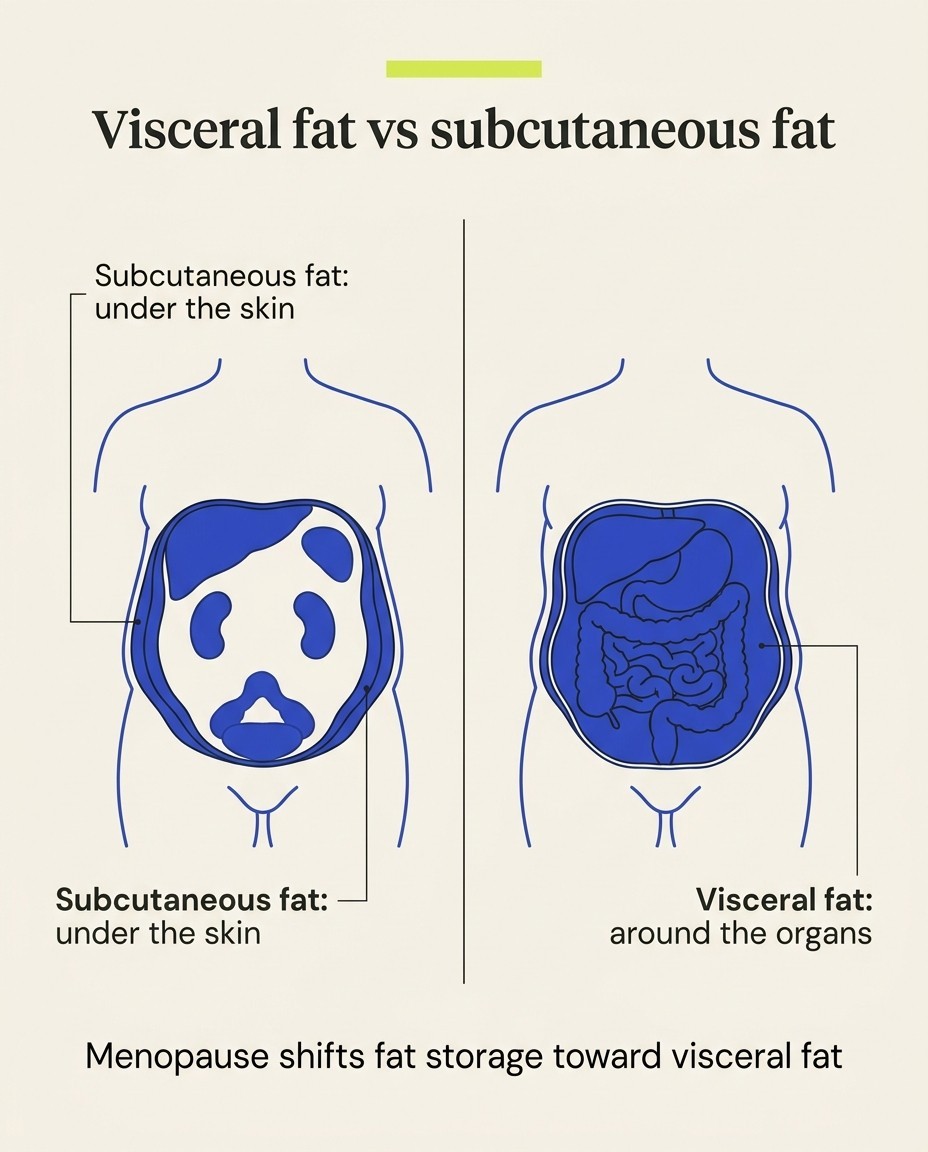
When estrogen drops for good after menopause, fat storage patterns change a lot. Before menopause, estrogen pushed fat to your hips and thighs. Afterward, it starts piling up around your belly. This connection between estrogen and weight gain is one of the most researched aspects of menopause, and it explains why so many women develop menopause belly fat even when their overall weight stays the same.
This isn’t just about looks. Visceral fat (the kind that wraps deep around your internal organs) acts differently from the subcutaneous fat under your skin. It’s more active and raises your risk of heart disease and type 2 diabetes.
Changes in how estrogen controls fat storage mean your body pulls more fat from your blood and stores it in your abdomen. Even if your weight doesn’t change, your waist might get bigger.
You’ll probably notice clothes fitting differently, especially around the waist, even if the scale says you weigh the same. That’s the central fat shift in action.
Age-related muscle loss and metabolic changes
Starting in your thirties, you start losing muscle. This process, called sarcopenia, speeds up during menopause because estrogen isn’t protecting your muscles anymore.
Muscle burns more calories at rest than fat. When you lose it, your menopause metabolism, meaning how efficiently your body uses energy, slows down. You need fewer calories to keep your weight steady than you did ten years ago.
For roughly every pound of muscle you lose, you burn roughly 30 to 50 fewer calories a day (Wolfe RR, Am J Clin Nutr, 2006). Over time, that adds up if you’re still eating the same way.
Many of us don’t realize how much our calorie needs drop. What kept your weight stable in your thirties might slowly make you gain in your fifties, just because your body has changed.
Reduced physical activity levels
Physical activity usually drops in midlife, often without us noticing. Work, family, joint pain, and plain old fatigue all make it harder to stay as active as before.
Menopausal symptoms themselves can slow you down. Hot flashes might make you skip the gym. Bad sleep leaves you too tired for your usual walk. Achy joints make workouts feel tougher.
Moving less while needing fewer calories is a recipe for menopausal weight gain. Even small drops in daily movement add up. Just 2,000 fewer steps means burning around 80 to 100 fewer calories (Tudor-Locke C, et al., Int J Behav Nutr Phys Act, 2011).
We often think we’re more active than we really are. You might feel busy, but a fitness tracker can be eye-opening. Incidental activity (those little movements throughout the day) drops off more than we realize as we age.
How menopause-related symptoms contribute to weight gain
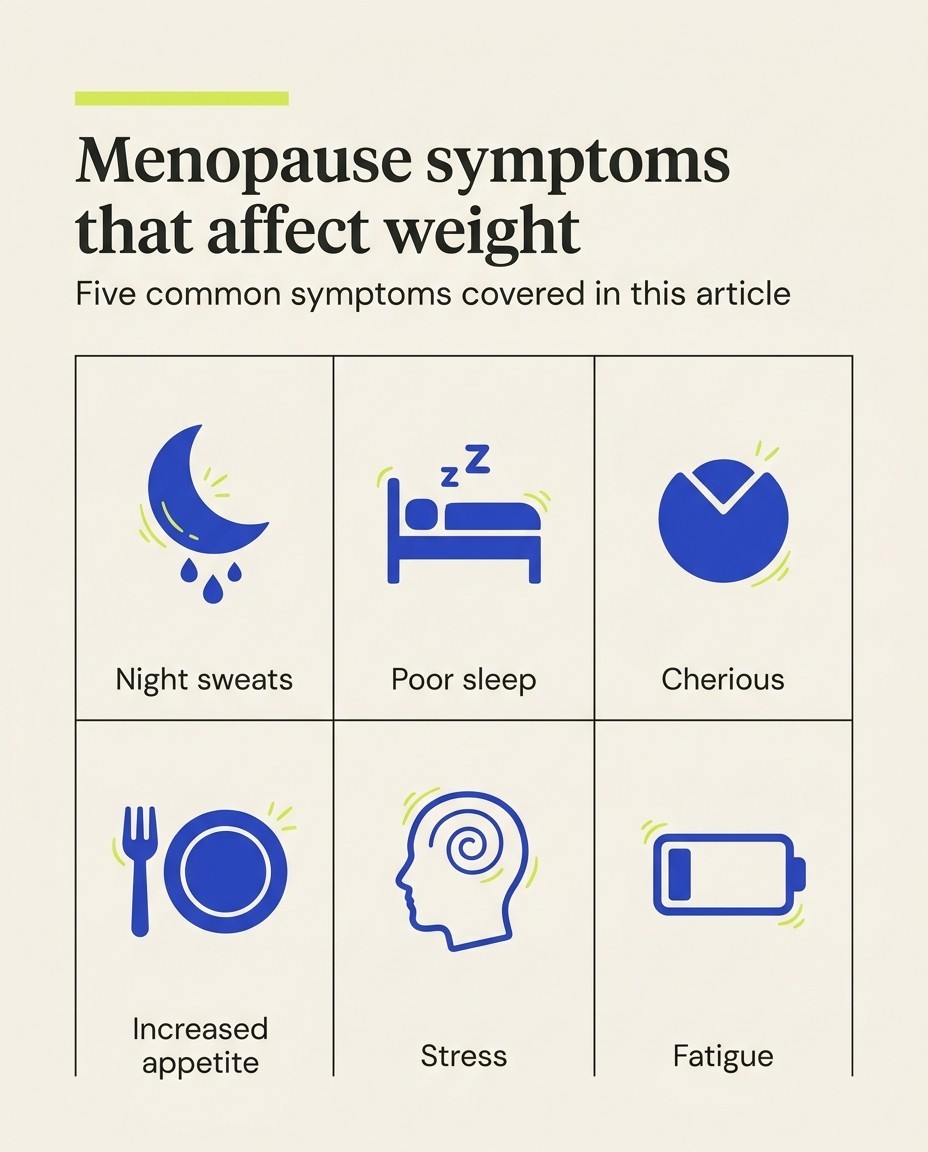
Menopause doesn’t just mess with your hormones. It brings a wave of physical symptoms that make it harder to keep your weight steady, including sleep issues that throw off hunger signals and stress that leads to comfort eating.
Sleep disruption, night sweats, and increased appetite
Night sweats are a classic menopause complaint. You wake up soaked, maybe change your clothes, and then struggle to fall back asleep.
This constant sleep loss does more than make you tired. It directly affects two key hunger hormones: ghrelin (which triggers hunger) and leptin (which signals fullness).
When you don’t sleep enough, your body makes more ghrelin and less leptin. Studies show that ghrelin levels are higher in postmenopausal women than in younger women of the same weight (Sowers MF, et al., Maturitas, 2008).
So you feel hungrier all day, especially for high-calorie foods. Your body is really looking for quick energy to make up for lost sleep.
Hot flashes during the day make things worse. They can make exercise uncomfortable and leave you wiped out, so you’re less likely to move and keep your muscle mass.
Emotional stress and cortisol effects
The mental side of menopause often gets overlooked, but psychological symptoms matter for weight, too.
Mood swings, anxiety, and low mood are common during menopause. When you’re feeling down, food can become a comfort.
Chronic stress means your body pumps out more cortisol, a stress hormone that influences where you store fat. High cortisol tells your body to store fat, especially around your belly. It’s not just about making “better choices.”
Your stress response is literally changing how and where you store energy. Combine high cortisol, bad sleep, and wild hormones, and it’s no wonder weight gain feels inevitable.
Many women say it feels like they’re fighting their own body. In a lot of ways, the biology is working against you. Understanding what’s happening, though, gives you a real advantage.
Other physical symptoms impacting weight
Vaginal dryness and other discomforts can make you want to move less. If exercise hurts, it’s natural to skip it.
Joint pain and muscle aches become more common as estrogen drops. These aches make regular exercise tougher, so you might not work out like you used to.
Fatigue is a big hurdle, and not just the tiredness that comes with poor sleep. It’s a deeper exhaustion that makes even daily chores feel hard.
Some women also notice digestive changes, like bloating and slower digestion. These symptoms can make you feel heavier, even if your weight hasn’t changed.
The muscle loss that comes with menopause also lowers the number of calories your body burns at rest, adding to the difficulty.
Individual variation in menopausal experience
Not every woman has the same menopause journey. Some barely notice symptoms, while others really struggle with severe menopause-related symptoms that affect daily life.
Your genes, health, stress, and lifestyle all play a part in how you experience menopause. Women who enter menopause at a healthy weight, sleep well, and exercise regularly usually have an easier time.
Timing matters, too. Early menopause (before 45) can bring different challenges than menopause in your early fifties.
Cultural background and support networks matter. Women with strong support and good healthcare generally handle symptoms and weight changes better.
Sometimes fixing one thing, like getting better sleep, sets off a chain reaction that helps with weight. Other times, you need to tackle a few symptoms at once.
Health risks associated with menopausal weight gain
Weight gain during menopause isn’t just about your jeans feeling tight. The move toward belly fat raises the risk of heart disease, diabetes, and other chronic conditions.
Increased risk of chronic diseases
The weight that settles around your belly after menopause carries more health risks than fat stored elsewhere. Abdominal obesity rates in women over 60 can hit nearly 74% in some groups, and this type of fat actively raises your risk for serious conditions.
Central fat acts like an organ. It releases chemicals that mess with insulin, making type 2 diabetes more likely after menopause.
Your heart takes a hit too. Inflammation and metabolic changes linked to belly fat increase your risk for heart disease. Weight gain at midlife affects several heart risk factors at once.
Extra weight after menopause also raises your risk for some cancers. Breast cancer risk goes up with adult weight gain, especially in the years after periods stop (Eliassen AH, et al., JAMA, 2006). Endometrial and colon cancer risks climb too.
Impact on quality of life and emotional well-being
Physical changes matter, but so does how you feel every day. Carrying extra weight affects your joints, sleep, and daily energy, along with how you look.
Joint pain gets worse as weight goes up. Your knees and hips feel the strain, making daily tasks tougher. Osteoarthritis is more common in women who gain weight after menopause.
Many women feel less confident as their bodies change shape. Depression and low mood often come along with weight gain during this time. These aren’t minor issues. They really affect your daily life.
Sleep problems get worse too. Extra weight increases your risk of sleep apnea and makes hot flashes more intense. Bad sleep then makes it even harder to manage your weight.
Urinary incontinence becomes more likely with extra weight. This can hold you back socially and make you less likely to exercise, which just adds to the problem.
Central fat and metabolic syndrome
Central fat doesn’t just sit under your skin. A lot of it wraps deep around your organs. This visceral fat causes most of the metabolic problems we see after menopause.
Your waist size tells us more about your health risk than your weight alone. Postmenopausal women have more intra-abdominal fat than premenopausal women of the same weight. This shift happens even if your weight barely changes.
Metabolic syndrome is a cluster of conditions that significantly raise your risk of heart disease and type 2 diabetes: a large waist measurement, high blood pressure, abnormal cholesterol levels, and insulin resistance (where your body struggles to use insulin properly). Having three or more of these seriously raises your risk of heart disease and diabetes.
The fall in estrogen during menopause directly causes this pattern. Studies show visceral fat increases a lot during menopause, even when your total weight stays steady. Your body really is moving fat to your middle.
Low levels of sex hormone binding globulin (SHBG), a protein that carries hormones through your blood, often go hand-in-hand with central fat gain. This protein is a strong predictor of insulin resistance and diabetes risk in postmenopausal women, no matter your actual hormone levels.

See your doctor if you experience:
- Rapid or unexplained weight gain (more than 2–4 lb in a week)
- Weight gain accompanied by extreme fatigue, feeling unusually cold, or constipation (may indicate thyroid issues)
- Difficulty breathing or chest tightness linked to weight changes
- Persistent low mood or anxiety that interferes with daily life
- Severe menopause symptoms that aren’t responding to lifestyle changes
Practical strategies to prevent and manage weight gain
Women who keep a healthy weight through menopause use specific, repeatable strategies with food, movement, sleep, and stress. If you’re wondering how to lose weight during menopause, it comes down to a combination of targeted approaches. Some also get help from medical professionals when lifestyle changes aren’t enough.
Dietary approaches and portion control
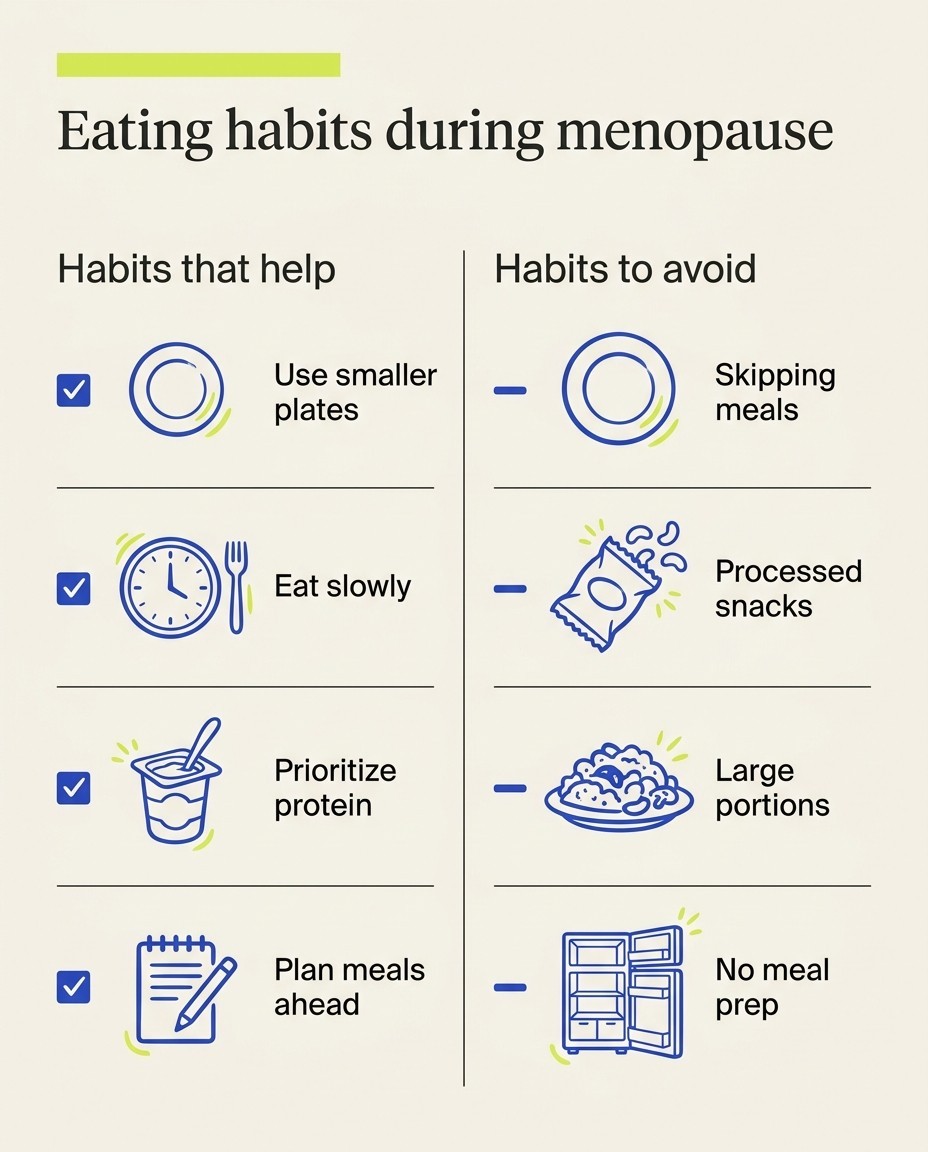
Honestly, the biggest shift isn’t always what you eat. It’s how much. You don’t need a rigid menopause diet plan, but you do need to adjust your approach. Research on cognitive and behavioral weight management strategies during the menopausal transition shows that women who keep a healthy weight usually rely on planning and portion awareness as their main tools.
Protein becomes non-negotiable. Try to get 0.45–0.55 g per pound of body weight every day. That amount helps you hang onto muscle as your metabolism slows down. You could start with Greek yogurt at breakfast, a palm-sized bit of fish or chicken at lunch, and some lentils or tofu for dinner. That pretty much covers your bases.
Stay hydrated too. Aim for at least 68 ounces (about 8½ cups) of water daily. The NHS Eatwell Guide recommends 6–8 glasses of fluid daily as a baseline, and adequate hydration helps with both appetite regulation and managing menopause symptoms like headaches and fatigue.
Planning your meals ahead of time takes away decision fatigue. Sunday prep sessions seem to work for a lot of people. Cook a big batch of protein, chop up veggies, and portion out snacks. When hunger hits between hot flashes, you’ll be less likely to grab the first thing you see.
Key dietary strategies:

Intuitive eating helps, too. Basically, eat when you’re truly hungry and stop when you feel satisfied, not stuffed.
Physical activity and building muscle mass
Movement matters even more during perimenopause and after, since you’re working against natural muscle loss. The right menopause exercise routine makes a real difference. Lifestyle changes can prevent weight gain during menopause, but the type of activity you choose matters.
Resistance training twice a week is key. Lift weights, use resistance bands, or do bodyweight moves like push-ups and squats. Muscle tissue burns more calories at rest than fat does. Even small gains in muscle make a real dent in metabolic slowdown.
Walking counts, but honestly, it’s not enough by itself. Aim for 150 minutes of moderate activity each week, such as brisk walking, cycling, or swimming, plus those strength sessions. If hot flashes make workouts miserable, try exercising in the morning when your body temperature is lower.
Effective exercise patterns:
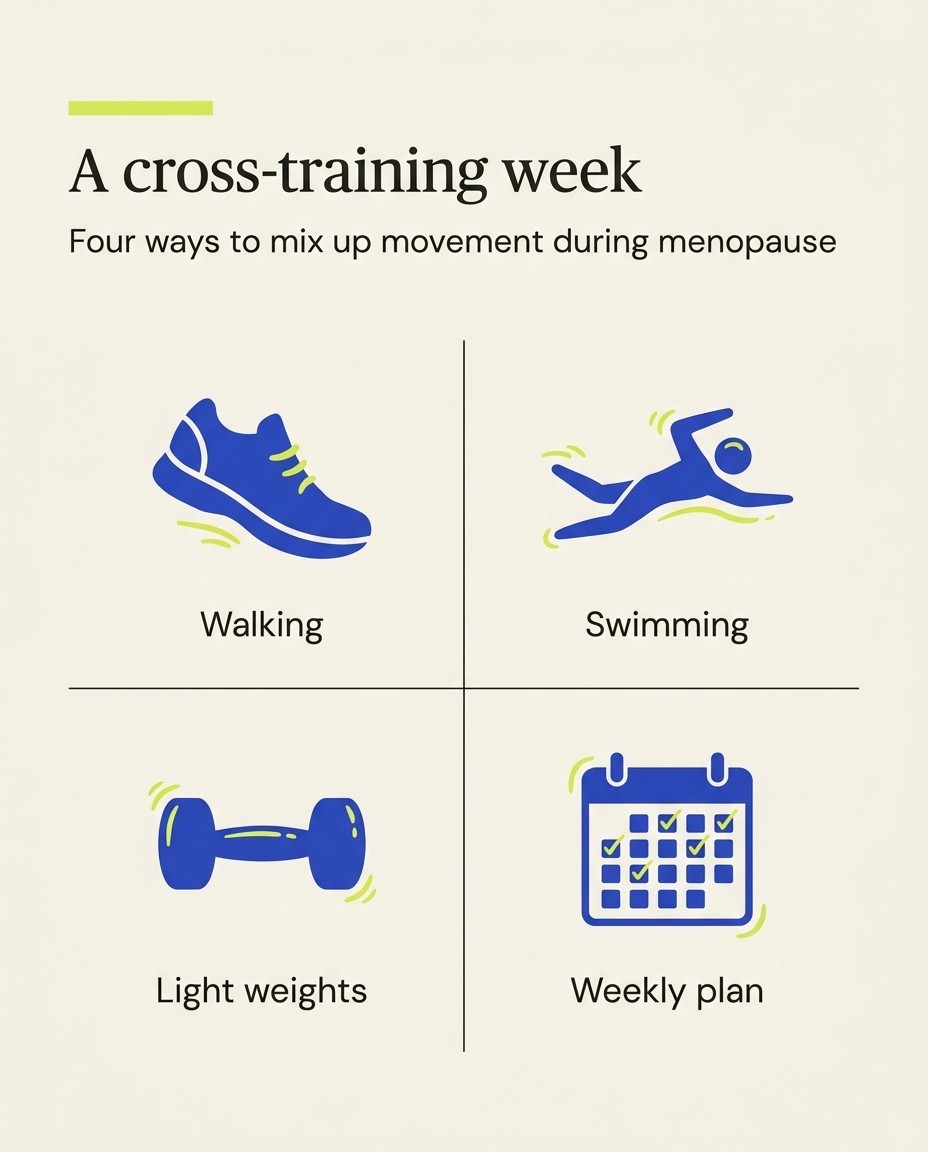
Find a workout buddy if you can. Social support really does make a difference for sticking with it long-term.
Supporting restful sleep and stress management
Poor sleep and high stress both push up cortisol, which encourages fat to settle around your middle. This goes beyond feeling groggy. It’s a hormonal change that affects how and where your body stores fat.
Hot flashes can wreck your sleep, which just starts a frustrating cycle. Your sleep gets worse, cortisol climbs, managing weight gets harder, and stress goes up. You need targeted strategies to break out of that loop.
For better sleep:
Stress management isn’t optional right now. Yoga can help lower cortisol levels and gives you some gentle movement, too (Cramer H, et al., Maturitas, 2012).
Honestly, just 10 minutes of deep breathing or meditation each day makes a noticeable difference. It doesn’t have to be fancy. Sit quietly, focus on your breath, and let your thoughts drift by without grabbing onto them.
Considering medical support and evidence-based treatments
Sometimes lifestyle changes just aren’t enough. If you’ve genuinely tried to tweak your diet and exercise but still see menopausal weight gain, you do have medical options.
Hormone replacement therapy (HRT) tackles the root of many menopausal symptoms. The relationship between HRT and weight gain is often misunderstood. While menopause itself doesn’t directly cause massive weight gain, those hormonal shifts change how and where your body stores fat. HRT may help prevent the shift toward abdominal fat storage, though it isn’t primarily a weight loss treatment.
Book an appointment with your doctor to discuss whether HRT is right for you. They’ll review your symptoms, medical history, and any individual risk factors. NICE guideline NG23 recommends that HRT should be offered to women with menopause symptoms after discussing the benefits and risks, and your doctor can talk you through this.
Weight loss medications like GLP-1 treatments (injections such as semaglutide (Wegovy) and tirzepatide (Zepbound) that mimic a natural appetite-regulating hormone) sometimes work for postmenopausal women when lifestyle changes alone haven’t achieved a clinically meaningful result. These aren’t cosmetic treatments. They’re prescriptions for people living with obesity. Eligibility depends on the specific treatment and your health history, so ask your doctor whether one is right for you.
Working with healthcare professionals:
You’ve got to find the mix that works for your body and your life right now. What helped in your 30s might not do the trick anymore. That’s just how the body changes.
Frequently asked questions
Is weight gain during menopause inevitable?
No. Research suggests menopause itself doesn’t directly cause significant weight gain. Aging contributes about 1 lb per year regardless of menopause. What menopause does change is where your body stores fat, shifting it toward your abdomen. With targeted strategies like resistance training, adequate protein intake, and good sleep habits, many women maintain a healthy weight through the transition.
How much weight do women typically gain during menopause?
On average, women gain about 1 lb per year during midlife, which is linked to aging rather than menopause specifically. However, the redistribution of fat to the abdomen can make it feel like more. Some women gain more if sleep disruption, stress, or reduced activity compound the effect.
Does HRT help with menopausal weight gain?
HRT addresses the hormonal changes driving many menopause symptoms, including those that indirectly contribute to weight gain (like poor sleep and hot flashes). However, HRT isn’t primarily a weight loss treatment. It may help prevent the shift toward abdominal fat storage, but it works best alongside dietary changes and regular exercise. Speak to your doctor about whether HRT is appropriate for you.
Can you lose belly fat after menopause?
Yes, though it takes a targeted approach. Resistance training is particularly important because it builds muscle, which burns more calories at rest. Combined with adequate protein (0.45–0.55 g per pound of body weight daily) and managing stress levels, many postmenopausal women successfully reduce abdominal fat. The belly fat shift is driven by lower estrogen, so strategies that address the downstream effects (metabolism, muscle mass, cortisol) are most effective.
What is the best exercise for menopause weight management?
A combination of resistance training (at least twice a week) and moderate aerobic activity (150 minutes per week) gives the best results. Resistance training is especially important because it directly counteracts the muscle loss that slows your metabolism. Walking is helpful but isn’t enough on its own. Choose activities you enjoy. Consistency matters more than intensity.
When should I see my doctor about menopausal weight gain?
See your doctor if you experience rapid or unexplained weight gain, weight gain alongside symptoms like extreme tiredness or feeling unusually cold (which may suggest thyroid problems), or if lifestyle changes haven’t made a difference after several months. Your doctor can check for underlying conditions, discuss HRT, and refer you to specialist support if needed.
Are weight loss medications an option during menopause?
For some women, yes. GLP-1 treatments like semaglutide (Wegovy) and tirzepatide (Zepbound) are used for people living with obesity and weight-related health conditions, though eligibility criteria are specific. These are prescription treatments, not cosmetic aids. If lifestyle changes haven’t worked and your BMI meets the threshold, discuss your options with your doctor.
Does menopause slow your metabolism?
Menopause contributes to metabolic changes, but much of the slowdown comes from age-related muscle loss (sarcopenia), which accelerates when estrogen drops. Less muscle means fewer calories burned at rest. Resistance training can offset some of this effect by maintaining or rebuilding muscle mass.
The bottom line
Menopause doesn’t make weight gain inevitable, but it does change the rules. Falling estrogen shifts fat to your belly, muscle loss slows your metabolism, and symptoms like poor sleep and stress make the whole picture harder. The most effective approach combines adequate protein (0.45–0.55 g per pound of body weight daily), regular resistance training, good sleep habits, and stress management. If lifestyle changes aren’t enough, speak to your doctor about medical options including HRT or weight loss medications. Start with one or two changes you can stick with, and build from there.
This article is for general information only and does not replace medical advice. Weight management during menopause is highly individual. Speak to your doctor or prescriber before starting any new exercise program, diet, or medication, especially if you have existing health conditions.
Sources:
- Weight, shape, and body composition changes at menopause – Journal of Midlife Health, 2021
- Lifestyle changes can prevent weight gain during menopause – Informit, 2006
- Hormonal changes during menopause and energy metabolism – Nature, International Journal of Obesity
- Oestrogen, fat distribution, and metabolic changes at menopause – Climacteric, 2012
- Weight regulation in menopause – Menopause, 2021
- Severe menopause-related symptoms – American Journal of Medicine, 2003
- Cognitive and behavioural weight management during the menopausal transition – Maturitas, 2024
- Lifestyle changes and weight gain prevention – Annals of Behavioral Medicine, 2003
- Menopause and body weight – Journal of Steroid Biochemistry and Molecular Biology, 2018
- Weight gain at midlife and cardiovascular risk – JAMA Internal Medicine
- Breast cancer risk and adult weight gain – Eliassen AH, et al., JAMA, 2006
- Ghrelin changes with menopause – Sowers MF, et al., Maturitas, 2008
- Muscle and metabolic rate – Wolfe RR, Am J Clin Nutr, 2006
- Steps and calorie expenditure – Tudor-Locke C, et al., Int J Behav Nutr Phys Act, 2011
- Yoga for menopausal symptoms – Cramer H, et al., Maturitas, 2012
- UK Physical Activity Guidelines – UK Chief Medical Officers’ Report
- NHS – Menopause
- NHS – How to get to sleep
- NICE guideline NG23 – Menopause: diagnosis and management
- Women’s Health Concern
- British Menopause Society