

You decide to feel better about your body, then catch your reflection in a store window and the old thoughts are right there. If the gap between what you want to feel and what you actually feel is frustrating, you’re not doing it wrong.
Your relationship with your body takes time to change because you’re unlearning beliefs you may have held for years, while your body itself keeps changing. Muscle mass starts to decline gradually from around your 30s, at roughly 3% to 5% per decade, according to Harvard Health. Hormones shift, and weight loss or gain can change your shape faster than your mental picture of it catches up.
Body image struggles are common whether you’re thinking about losing weight, in the middle of it, maintaining, or living in a body that has changed a lot. Change usually comes gradually, with good days and hard days, and practical tools help along the way.
Key takeaways

Long-held body beliefs take practice to unlearn
Many of your beliefs about your body were absorbed from family, culture, and media years before you could question them. Recognizing these beliefs is a useful first step, but feelings, habits, and self-talk often take repeated practice to shift.
Where your body beliefs come from
The comments you heard growing up about your body, or about other people’s bodies, can turn into internal rules. Many of these unspoken body beliefs come from family, culture, medical settings, and personal experiences.
| Influence | Example message you may have absorbed |
|---|---|
| Family | “Don’t have seconds, you’ll get big.” |
| Beauty standards | “Thinner bodies look better.” |
| Peers and sports | “Your size decides whether you belong.” |
| Health settings | “Your weight number says everything about your health.” |
Some people carry inherited shame about their bodies that started with a parent’s own struggles. Asking “Who taught me this?” can help you see that a belief may not be your own.
Why knowing better doesn’t mean feeling better yet
You might know that your worth isn’t tied to your size and still feel anxious trying on clothes. Knowing something and feeling it are not the same.
Beliefs you’ve repeated for years tend to show up automatically. Your thoughts, beliefs, and feelings all affect your body image, and a new idea needs time to compete with an old one.
This is part of why loving your body can feel so hard, even when you want to. A more realistic goal is to try a more flexible thought, such as “My body is allowed to change,” and repeat it often.
How comparison keeps old patterns going
Comparing yourself to others and criticizing your own body can keep old beliefs active. Each time you think “I look worse than everyone here,” that pattern gets more practice.
Negative body talk is often deeply ingrained, so it may return even after you’ve worked on it. That doesn’t mean you’ve failed.
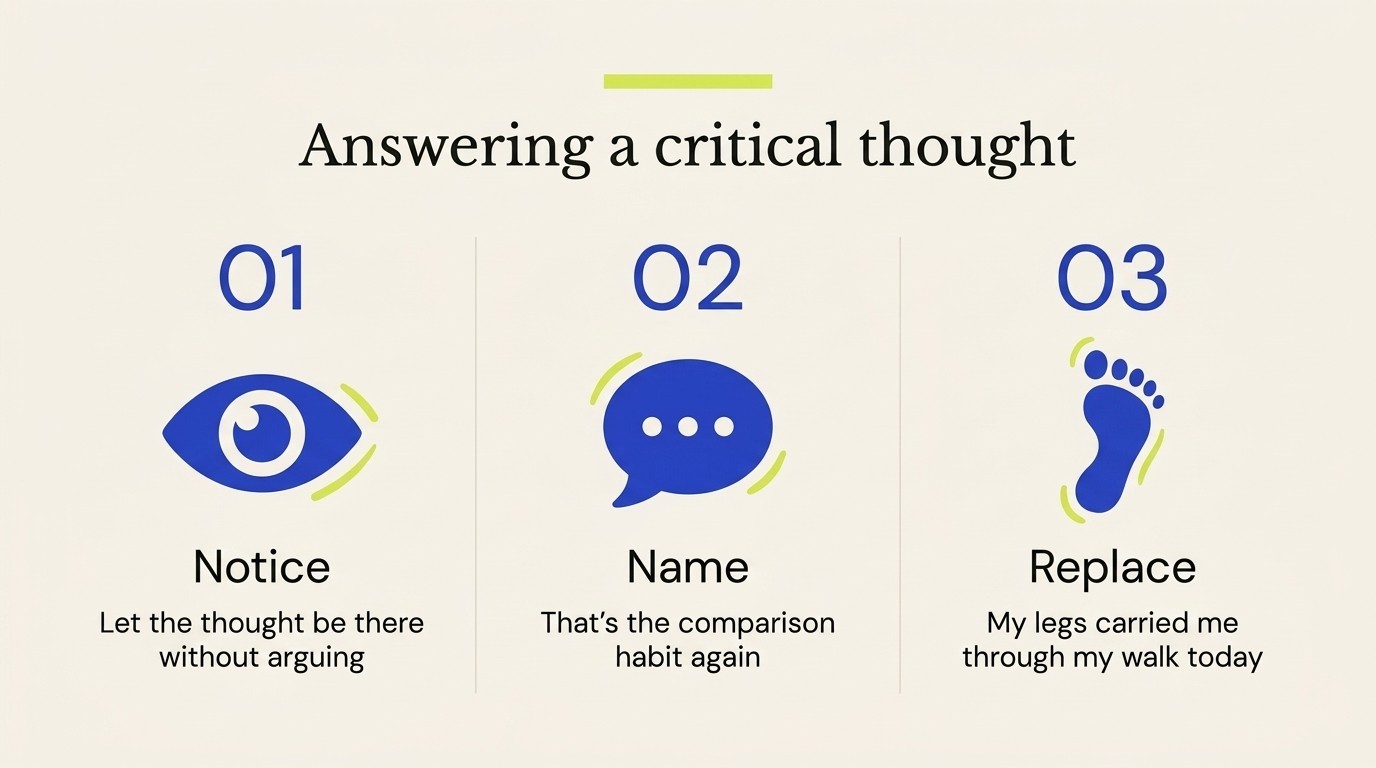
Small steps you can try:
-
Notice negative self-talk without arguing with it right away.
-
Name the pattern, such as “That’s the comparison habit again.”
-
Replace it with a neutral statement, like “My legs carried me through my walk today.”
Many people find it helpful to unlearn the idea that their body is a project needing constant improvement. If body image struggles feel overwhelming, a licensed therapist can offer support.
Your body keeps changing while you adjust
Your body does not pause while you work on how you feel about it. Aging, illness, hormones, sleep, and stress keep shifting how you look and feel, which means your body image has to keep adjusting too.
Aging, illness, weight loss and other big changes
Many people expect their bodies to stay the same. When they don’t, it can lead to insecurity and feeling unworthy, even when the changes are a normal part of life.
Common triggers for body changes include:
-
Aging: Muscle mass, skin elasticity, and where your body stores fat can shift over the decades.
-
Illness or injury: Surgery, scars, mobility limits, or treatment side effects can change both appearance and function.
-
Life transitions: Pregnancy, a new job, a move, or weight loss can all reshape your body and routines.
Body image after weight loss can be surprisingly complicated. Your shape may change over months, especially if the weight comes off quickly, while your mental picture of yourself takes longer to catch up. You might still reach for your old size or feel unsure in clothes that fit. Loose skin, new comments from people around you, and photos that don’t match how you see yourself can all add to the adjustment, even when the comments are meant kindly. None of this means the change wasn’t worth it. It means your mind needs time too.
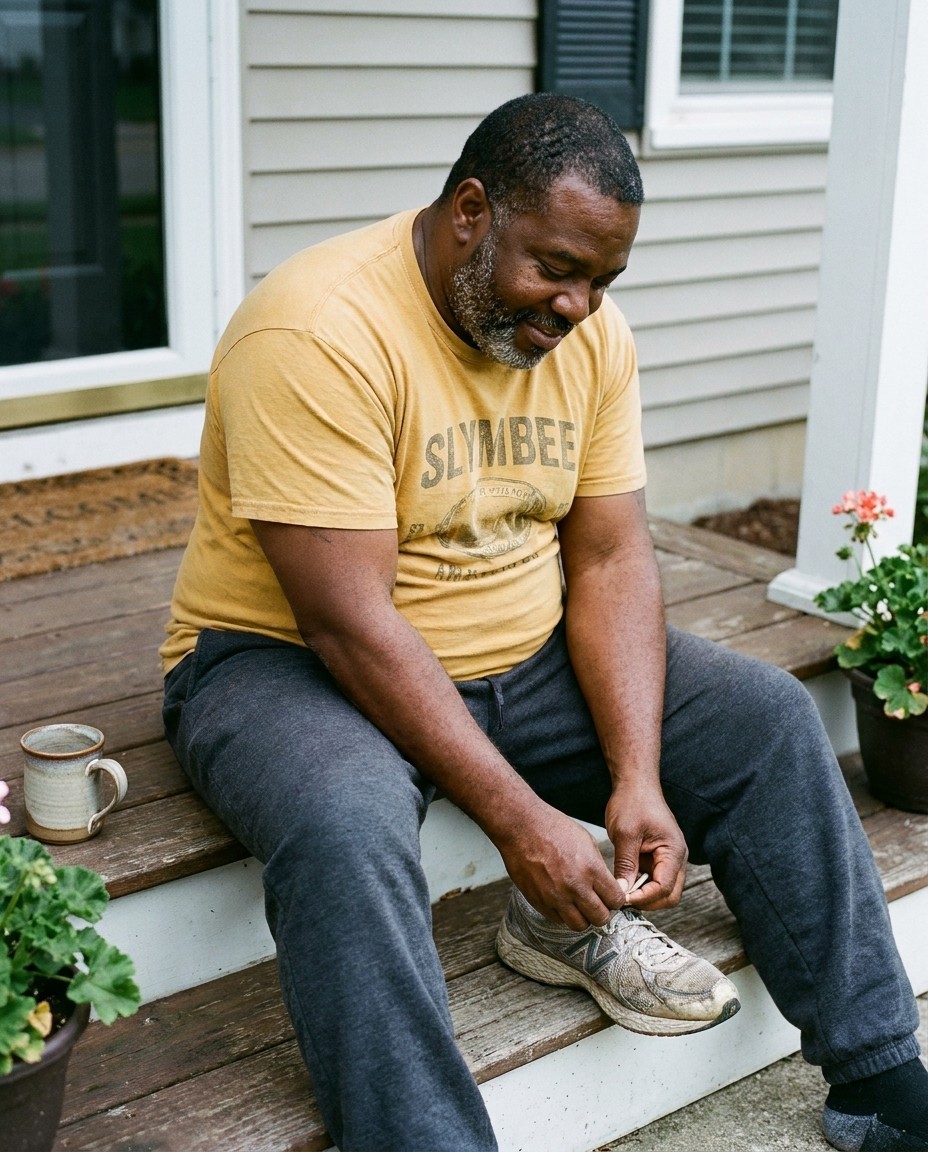
When a familiar trait changes, you might feel unsure of how you fit in with others. That feeling usually eases as you adjust.
How hormones, sleep and stress play a part
Some changes happen inside your body before you see them. Hormones can shape body image, hunger, and energy, so you may feel different even if your weight stays the same.
| Factor | What you might notice |
|---|---|
| Hormonal changes: puberty, pregnancy, perimenopause (the years leading up to menopause, when periods become irregular), menopause, falling testosterone with age | Shifts in appetite, fat distribution, mood, and energy |
| Poor sleep | Stronger cravings, lower energy, and less patience with yourself |
| Chronic stress | Changes in eating patterns, tension, fatigue, and a harsher inner voice |
These factors affect your mental health as much as your body. Even one short night can make high-calorie food look more appealing, research suggests, and a stressful week can turn up the volume on a harsh inner voice. On days like that, the way you judge your body says more about how tired or stretched you are than about how your body actually looks.
Making room for grief
You can miss the body you used to have. Feeling sad about lost abilities, a former shape, or clothes that no longer fit is a reasonable response to real change.
The goal is to grieve without blaming your body. It can help to treat your body as a friend rather than an opponent.
A few practical steps can help:
-
Notice what your body still does for you. Focusing on what your body does, rather than how it looks, is one well-studied approach. In one study, women who spent a week writing about what their bodies could do reported better body image. Think walking your dog or hugging a friend.
-
Name the loss. Saying “I miss running without knee pain” is more specific than “my body is failing.”
-
Get support. A therapist can help if grief about your body starts affecting your daily life.
Acceptance doesn’t mean loving every part of your body
You can build a calmer relationship with your body without forcing yourself to adore how it looks. Neutral observation, kind self-talk, and a sense of worth that doesn’t depend on appearance or ability are realistic places to start.
Body neutrality vs. body positivity
Body positivity encourages you to celebrate and love your body as it is. Body neutrality asks for less. You simply notice your body without labeling it as good or bad.
Therapists point out that feeling happy with every part of your body all the time isn’t a realistic goal. Many people find neutrality easier to reach on hard days.
| Approach | Core idea | Example thought |
|---|---|---|
| Body positivity | Love and celebrate your body | “I love my legs.” |
| Body neutrality | Observe without judgment | “These are my legs. They got me through today.” |
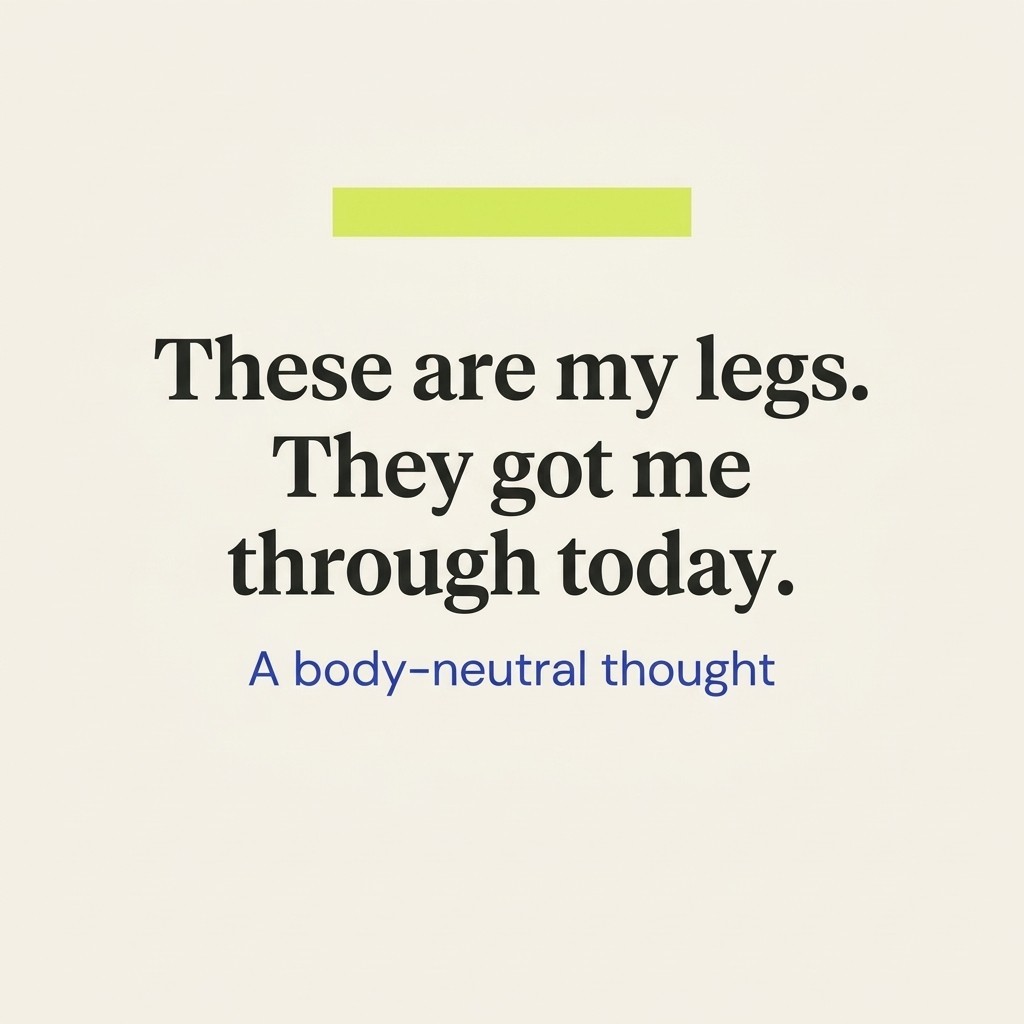
Acceptance, in this sense, means being with your body as it is rather than constantly trying to change it or love it. That’s the heart of body acceptance.
When “I love my body” feels untrue
Saying “I love my body” can backfire if you don’t believe it. In one study, people with low self-esteem felt worse after repeating a positive statement about themselves. When your mind is full of self-criticism, jumping straight to self-love can feel like lying to yourself, which is why loving your body is not a requirement for making peace with it.
Self-compassion offers a middle option. Instead of self-love statements that feel false, try phrases that are true right now:
-
“This is a hard moment, and many people feel this way.”
-
“I don’t like how I feel in these jeans, and that’s okay.”
-
“I’m learning to speak to myself more kindly.”
A 2016 review found self-compassion was consistently linked to better body image and less disordered eating. Small, shame-free steps like these can ease tension without requiring you to pretend.
Your worth isn’t your size or what your body can do
Your value as a person is not tied to your weight, shape, or what your body can do. This matters because bodies change with age, illness, injury, pregnancy, and weight loss or gain.
Some people find it helpful to focus on what their body can do rather than how it looks. But ability changes too. Try also listing qualities unrelated to your body:
-
How you treat friends and family
-
Skills you’ve built at work or at home
-
Things you care about and stand for
This shift takes practice, especially after years of judging yourself. If body image struggles affect your daily life or relationships, professional support can help.
Small daily actions build trust with your body
Trust with your body tends to grow through repeated, ordinary choices, such as how you speak to yourself, what you wear and eat, who you let comment on your body, and whether you join activities you enjoy. These choices are small on their own, but practicing them most days gives your body more chances to experience care instead of criticism.
Answering negative self-talk
Negative self-talk often shows up automatically, like when you catch your reflection or try on jeans. You don’t have to replace it with forced positivity. A more realistic goal is to answer harsh thoughts with neutral or kinder language.
Here are a few examples:
| Harsh thought | Realistic, kinder response |
|---|---|
| “My stomach is disgusting.” | “My stomach digests my food and helps me get through the day.” |
| “I’ve failed again.” | “This week was hard. I can try again tomorrow.” |
| “No one wants to see me like this.” | “My body doesn’t need to look a certain way to be part of my life.” |
This approach is a form of self-compassion, which one somatic therapist describes as a core part of repairing your relationship with your body. You may not believe the new words at first, and that’s okay. Repetition matters more than belief in the beginning.
Clothes, food, rest and movement
Physical comfort sends a simple message: your needs count right now, not after you change. Everyday ways to show your body kindness include preparing a meal or taking time to rest.
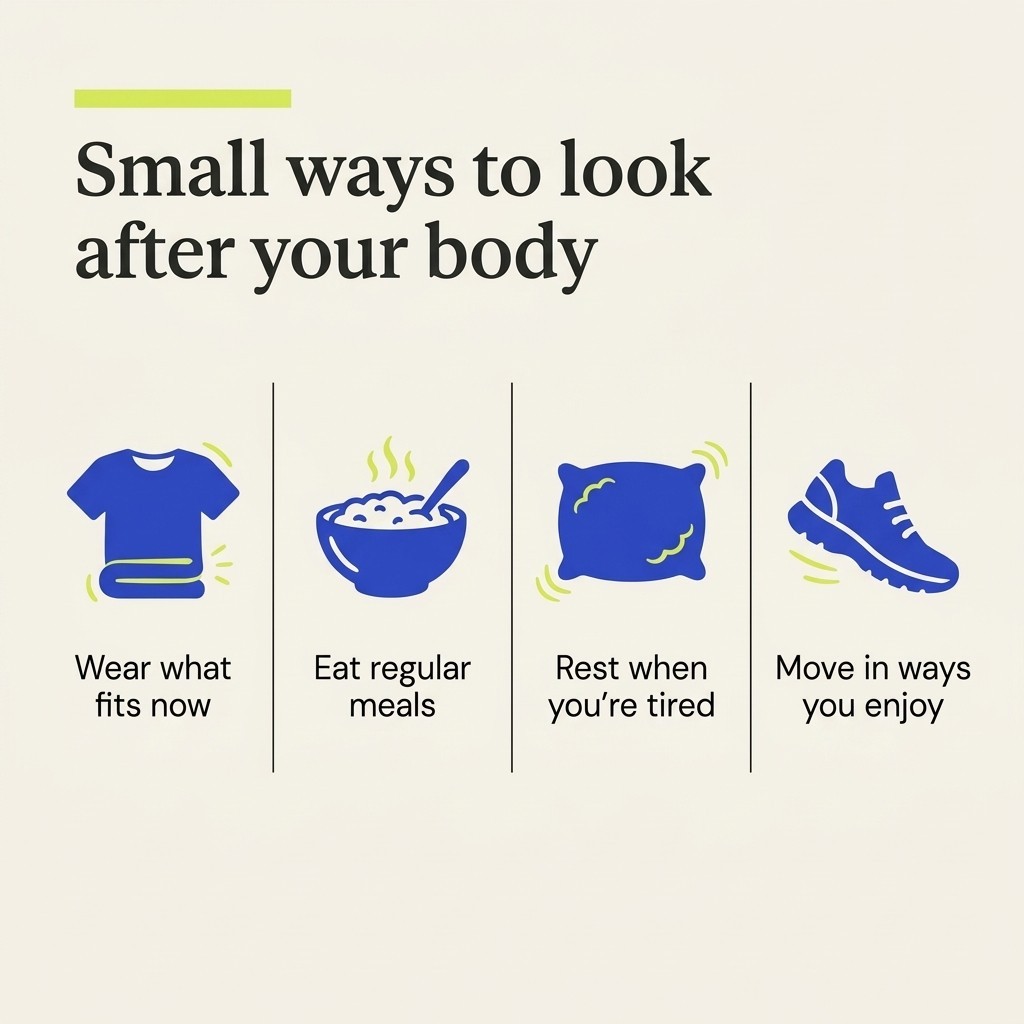
Try a few of these:
-
Clothes: Wear items that fit your current body. Clothes that pinch or dig in can keep your attention on your size all day.
-
Nourishment: Eat regular meals and notice how different foods leave you feeling.
-
Rest: Treat tiredness as information, not laziness.
-
Movement: Pick something you can do and might enjoy, such as a short walk, stretching, or dancing in your kitchen.
Paying attention to hunger, fullness, and fatigue helps too. Practices like breath meditations and body scans are linked in research to better interoception (your sense of what’s happening inside your body, such as hunger, fullness or a racing heart) and body trust, though this area of study is still developing.
Boundaries around body comments and social media
Comments from other people and the content you scroll through can quietly undo your progress. Setting boundaries is a practical way to protect your effort.
With people, you might say:
-
“I’d rather not talk about my weight. Can we talk about something else?”
-
“Please don’t comment on what I’m eating.”
-
“Thanks, I’m feeling good. How’s work going?” (a short, friendly redirect when someone comments on your weight loss)
If comments keep coming, you can tell close friends or family directly: “I’d rather we didn’t talk about my weight. It keeps me focused on my body more than I want to be.” You don’t owe anyone a conversation about your body.
With social media, you can:
-
Mute or unfollow accounts that leave you comparing your body or feeling ashamed.
-
Follow creators with different body sizes, ages, and abilities.
-
Set app time limits, especially before bed.
A 2016 review linked social media use with body image concerns, with comparing your appearance to other people’s playing a big part.
Stepping away from messages that promote restriction is part of breaking up with diet culture. Your boundaries don’t need to be perfect. They just need to reduce how often you hear criticism.
Don’t wait to look different to show up
Many people put life on hold until they’ve lost weight. They skip the beach trip, stand at the back of the family photo, or decide to sign up for the class “once I’m smaller.” Waiting can turn your body into an obstacle, when it’s actually the thing that lets you take part.
Instead, choose one activity you’ve been postponing and do it in the body you have now. Swim at the pool. Get in the picture. Sign up for the class.

You may feel uncomfortable, especially at first. That’s a normal part of healing your relationship with your body. Each time you show up, you build evidence that your life can happen now, and that kind of experience builds trust with your body over time.
Progress is real even when hard days come back
Hard body image days can still show up after months of steady work, often triggered by specific situations like a family photo or a stressful week. You can measure progress through changes in daily behavior and set goals that leave room for setbacks without a deadline.
Why old feelings come back
Certain moments tend to bring old thoughts back quickly. Scrolling past a photo from years ago, getting ready for a wedding, or going through a busy stretch at work can all stir up familiar body image worries. Nothing tests months of progress quite like a relative’s wedding photographer shouting “Everyone squeeze in!”
This does not erase what you have built. Change takes energy, and stress can bring old patterns to the surface, which is one reason healing often feels like backsliding before it moves forward again.
Emotional relief can also lag behind outside improvements. Stress and burnout can linger after life gets easier, so you may still struggle even when things seem better on the outside. A hard day after a calm month is a common part of the process, not a sign you started over.
On hard days, a few things can help:
-
Talk to yourself the way you would talk to a friend
-
Do a few minutes of slow, focused breathing
-
Call or text someone you trust
-
Go ahead with plans instead of canceling them
One useful tool is thought defusion, from Acceptance and Commitment Therapy (a type of talk therapy that helps you notice difficult thoughts without letting them run the show). Instead of thinking “I look terrible,” you say “I’m having the thought that I look terrible.” That small change helps you observe the thought without treating it as fact. It also helps to ask what else might be bothering you, since body criticism often shows up when you’re stressed, anxious, or sad about something unrelated.
What progress actually looks like
Progress in healing your relationship with your body is often quieter than you expect. Instead of asking whether you feel good about your body every day, look at what you do.
Body checking means repeatedly inspecting, pinching, measuring or weighing yourself to check on your size or shape. It often brings brief relief and then more worry.
| Earlier pattern | Sign of progress |
|---|---|
| Checking mirrors or pinching your stomach many times a day | Checking less often, or noticing the urge and pausing |
| Wearing only “safe” clothes | Trying an outfit you used to avoid |
| Skipping pool days or group photos | Joining in, even with some anxiety |
You can still have uncomfortable thoughts while these behaviors change. Catching a critical thought sooner and responding with self-compassion counts as growth, even when some days still feel hard. Other signs include:
-
Negative thoughts still show up, but they pass more quickly
-
You can eat a meal without thinking about it for the rest of the day
-
You feel more comfortable talking with a partner about body changes
Some weeks will feel better than others. Look at the overall pattern over several months rather than day to day.
Setting goals without a deadline
Timelines like “I should feel fine by summer” can add pressure. When you miss them, it’s easy to feel like you failed.
Try goals that focus on actions you control:
-
Attend one social event this month without changing clothes more than once.
-
Cut back on body checking. If you check the mirror or scale many times a day, try reducing it gradually. A therapist can help if this feels hard to do alone.
-
Write down one thing your body did for you each evening, such as walking the dog or carrying groceries.
Expect off days and plan how you will return to your routine after them. The aim is not to avoid every setback but to build trust that you can recover when setbacks happen. If difficult days feel frequent or intense, a therapist who works with body image can help you adjust your goals.
When to get extra support
Body image struggles that come with ongoing anxiety, low mood or changes in how you eat are a mental health concern, and they often respond well to professional help. A therapist can help with the thoughts and feelings, and your doctor can check whether new or unexplained body changes have a medical cause.
Signs it’s time to reach out
Some discomfort with your body is common, especially during periods of change. It may be time to reach out when the distress lasts for weeks or starts shaping your daily choices.
Signs worth paying attention to include:
-
Avoidance: skipping social events, photos, doctor visits, or exercise because of how you feel about your body
-
Food patterns: restricting, bingeing, purging, or following rigid food rules
-
Mood changes: ongoing anxiety, low mood, or symptoms of depression tied to your appearance
-
Checking behaviors: frequent weighing, mirror checking, or body measuring
Disordered eating can affect people of any size, age, or gender, according to NIMH. Disordered eating covers eating patterns that cause distress or harm, like skipping meals to compensate or feeling out of control around food, even when they don’t meet the criteria for an eating disorder. You do not need a formal diagnosis to deserve support.
If you want to talk to someone about eating or body image, the ANAD helpline offers free peer support at 888-375-7340. If you’re having thoughts of hurting yourself, call or text 988 to reach the 988 Lifeline, any time of day.
Call 911 or go to the ER if you faint, have chest pain, a racing or irregular heartbeat, or severe dizziness or confusion, especially if you’ve been restricting food, bingeing or purging.
How therapy and nutrition support can help
Therapy gives you a place to look at where your feelings about your body came from. It also helps you build new ways of responding to them. Some therapists use somatic therapy, a body-based approach that pays attention to physical sensations, like tension or a tight chest, alongside thoughts and feelings. This can be helpful if trauma has played a role.
A registered dietitian with eating disorder training works differently than a general weight-focused plan.
| Type of support | What it may focus on |
|---|---|
| Therapist | Thoughts, emotions, trauma, anxiety, depression |
| Eating disorder-informed dietitian | Regular eating, reducing food fear, rebuilding trust with hunger cues |
| Both together | Addressing mental health and eating habits at the same time |
People living with chronic conditions may find specialized nutrition support especially useful.

When to check in with your doctor
Not every body change comes from habits or mindset. Unexplained weight gain or loss, swelling, fatigue, or changes in appetite can be linked to thyroid conditions, hormonal shifts, medication side effects, or other health issues.
Life stages matter too. Menopause can affect sleep, mood and energy, according to the National Institute on Aging, and those changes can shape how you feel in your body.
Contact your doctor if you notice:
- Weight changes you can’t explain
- New pain, swelling, or lasting fatigue
- Side effects after starting or adjusting any medication
If you’re losing weight on purpose, tell your doctor if it’s happening much faster than expected or comes with dizziness, hair loss or ongoing fatigue.
Getting answers can ease worry and help you respond to your body with more understanding.
Frequently asked questions
How long does it take to build a healthier relationship with your body?
There’s no set timeline. Some people notice small shifts within a few weeks of practicing new habits, while others work on body acceptance for months or years.
Your pace can depend on:
-
How long you’ve held negative beliefs about your body
-
Whether you have a history of disordered eating or trauma
-
How quickly your body is changing, such as during weight loss or maintenance
-
How consistently you practice new ways of thinking and responding
Body image isn’t fixed. It can shift with aging and major physical transitions, so you may come back to this work at different points in your life.
Why is it so hard to change the way you see your body?
Body image starts forming in childhood, so you’re often working against beliefs you’ve held for decades (see “Long-held body beliefs take practice to unlearn” above). Your brain also tends to stick with familiar patterns, and hormone shifts, diet culture and social norms add layers that take time to unlearn.
Why do I still feel big after losing weight?
Your mental picture of your body often lags behind physical change, especially if the weight came off quickly. You might still pick a bigger size, avoid certain chairs or feel surprised by photos. This usually eases with time and practice. Wearing clothes that fit now, looking at recent photos of yourself in ordinary settings, and noticing what your body can do all help the new picture settle in.
What small habits can help you feel more comfortable in your body?
Small, repeatable actions are easier to keep than big changes. Try one or two of these:
-
Wear clothes that fit now. Dressing for your current body, rather than a future size, can reduce daily discomfort.
-
Move in ways you enjoy. Walking, dancing, swimming, or stretching can shift your focus to how your body feels.
-
Notice what your body does. Your legs carry you through the day, and your hands let you cook or hold someone you love.
-
Change how you use the mirror. Look at yourself as a whole person rather than zooming in on one area.
Pick one habit, practice it for a week, then add another if it feels manageable.
How can you practice body acceptance on difficult days?
Hard days are a normal part of the process, and they don’t erase the progress you’ve made. Try thought defusion, talking to yourself the way you would to a friend, or a few minutes of slow breathing. See “Why old feelings come back” above for the full list of ideas.
What are the signs that your relationship with your body is improving?
Progress is often quiet. You may notice it in what you stop doing rather than what you start, such as checking the mirror or scale less often, or saying yes to events, photos, or trips you used to avoid. See “What progress actually looks like” above for more signs.
How can you stop comparing your body to other people’s?
You may not be able to stop comparing completely, but you can reduce how often it happens and how much it affects you.
When you catch yourself comparing, try these steps:
-
Name it. Say to yourself, “I’m comparing again.”
-
Remember what you can’t see. A photo shows one angle, often edited, and nothing about that person’s health, genetics, or circumstances.
-
Redirect your attention. Shift to something you appreciate about your own body or your day.
Trimming your social media feed helps too (see the boundaries section above). If comparison, body checking, or distress starts to interfere with your daily life, eating, or relationships, consider talking with your doctor or a therapist who specializes in body image.
How do I respond when people comment on my weight loss?
A short, friendly redirect works, and you don’t owe anyone a conversation about your body. See “Boundaries around body comments and social media” above for scripts you can use.