
If you’re lying awake at night since starting Mounjaro, or finding that your sleep quality has changed, you’re not alone. Mounjaro and sleep issues are more connected than many people realise.
Sleep disturbances aren’t the most talked-about side effect, but they affect a notable number of people taking tirzepatide (the active ingredient in Mounjaro), even though they don’t get discussed as much as other side effects.

Most sleep problems on Mounjaro are caused by digestive discomfort, blood sugar changes, or altered eating patterns rather than the medication directly. They typically improve within a few weeks on a stable dose, and practical strategies like timing meals, managing symptoms, and good sleep hygiene can make a real difference.
Key takeaways


This guide is for information only and doesn’t replace medical advice. Speak to your GP or prescriber before making any changes to your treatment.
Sources: Clinical information in this guide is based on the official Mounjaro Summary of Product Characteristics and NHS sleep guidance.
Does Mounjaro cause insomnia?
Insomnia isn’t listed as one of Mounjaro’s most common side effects in the Summary of Product Characteristics, but tirzepatide insomnia and sleep disturbances have been reported by people taking GLP-1 medications. The relationship is complex because several factors can affect sleep during treatment.
Research on GLP-1 receptor agonists suggests they can influence sleep patterns in some people, though this hasn’t been studied extensively in clinical trials. The Mounjaro SmPC lists nervous system effects that may contribute to sleep changes. How this works isn’t fully understood, but the medication’s effects on appetite, blood sugar, and the nervous system could all play a role.
For many people, sleep issues are indirect. They’re caused not by the medication itself, but by the side effects and changes that come with it.
Why might Mounjaro affect your sleep?
Several factors can contribute to sleep problems whilst taking Mounjaro.
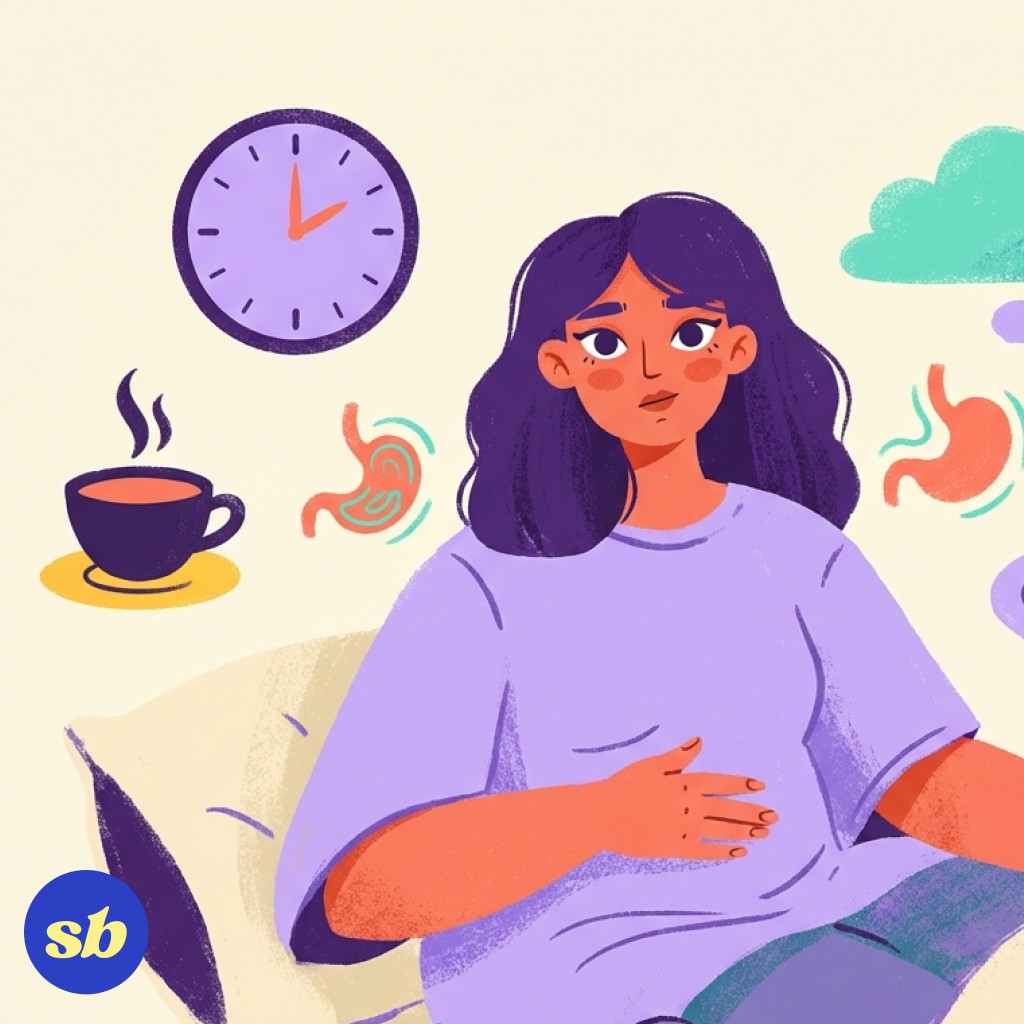
Digestive discomfort at night
If you’re experiencing nausea, heartburn, gas and abdominal bloating, or GI pain symptoms, these nighttime side effects can make it difficult to fall asleep or wake you during the night.
Mounjaro slows gastric emptying (how quickly food leaves your stomach), which can cause discomfort when lying down, especially if you’ve eaten too close to bedtime. Acid reflux often worsens at night when you’re horizontal.
Blood sugar fluctuations
Mounjaro affects how your body manages blood sugar. During the adjustment period, fluctuations in glucose levels can disrupt sleep.
Low blood sugar (hypoglycaemia – when glucose levels drop too low) can cause symptoms like sweating, rapid heartbeat, and waking suddenly, though this is more common if you’re also taking insulin or certain diabetes medications.
Even without true hypoglycaemia, your body adjusting to steadier, lower blood sugar levels can temporarily affect sleep patterns.
Eating less or eating differently
Changes to your eating patterns can affect sleep. Going to bed hungry, eating at different times than usual, or having your last meal earlier in the day can all influence how well you sleep.
Your body gets used to certain eating rhythms, and disrupting these can temporarily affect your sleep-wake cycle.
Reduced calorie intake
Severely restricting calories can affect sleep quality. Your body may interpret a large calorie reduction as a stress signal, which can increase cortisol (a hormone your body releases in response to stress) and make sleep more difficult.
If you’re eating much less than before, this could be contributing to sleep problems.
Caffeine sensitivity changes
Some people notice their sensitivity to caffeine increases when they’re eating less. If you’re consuming the same amount of coffee but eating less food, the relative impact of caffeine is greater.
Caffeine that didn’t previously affect your sleep might now be keeping you awake.
Anxiety or mood changes
Starting a new medication, experiencing physical changes, and managing side effects can all cause stress and anxiety, which commonly disrupt sleep.
Weight loss itself can bring up complex emotions that affect sleep. If you’re experiencing mood changes on Mounjaro, these could be contributing to sleep problems.
Vivid dreams
Some people report more vivid or unusual dreams on GLP-1 medications, though this hasn’t been formally studied in clinical trials. Vivid dreams aren’t harmful, but they can feel disruptive and affect how rested you feel upon waking.
Types of sleep problems on Mounjaro
Sleep issues can show up in different ways:
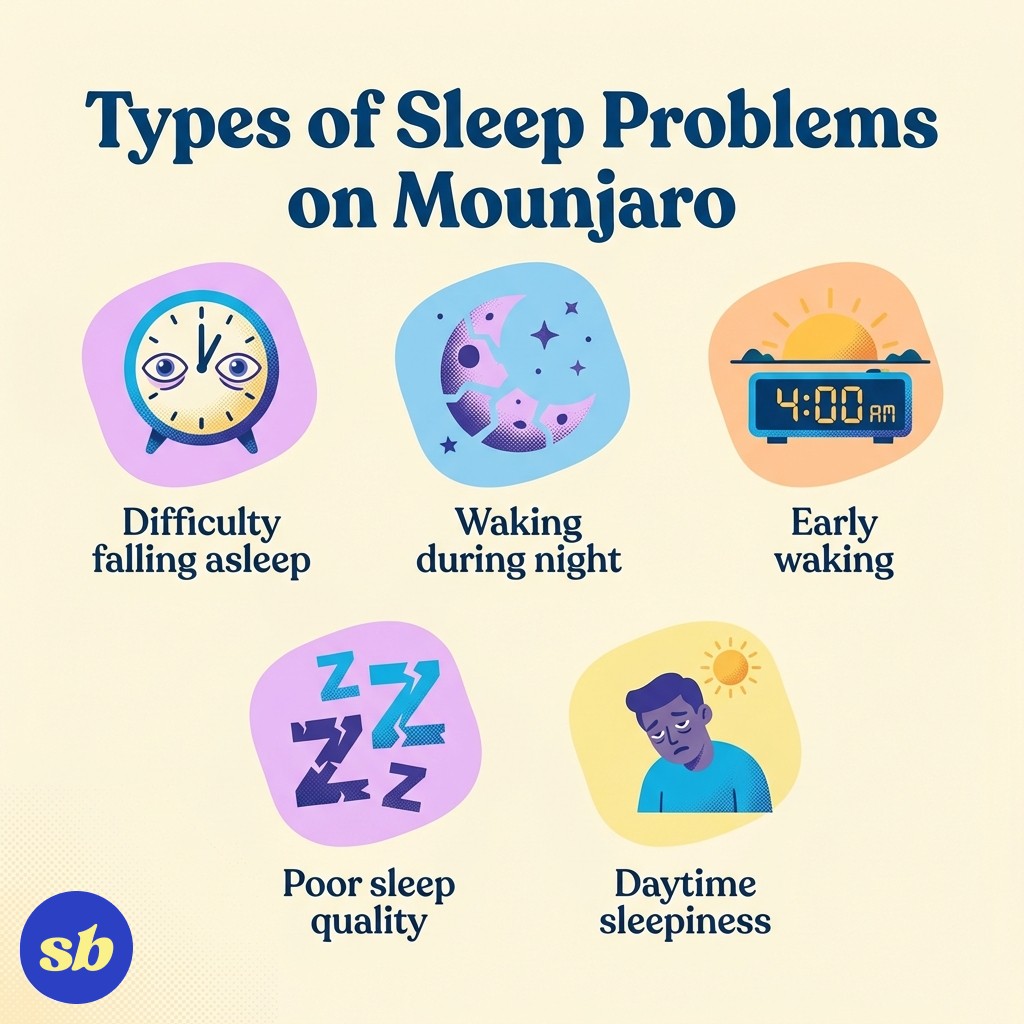
Difficulty falling asleep
Lying awake for a long time before sleep comes. This might be caused by digestive discomfort, anxiety, or changes to your routine.
Waking during the night
Waking frequently or having trouble getting back to sleep after waking. Often related to digestive symptoms, blood sugar changes, or needing the toilet more frequently.
Early morning waking
Waking much earlier than intended and being unable to get back to sleep. Can be related to blood sugar, anxiety, or changes in your body’s rhythms.
Poor sleep quality
Sleeping through the night but waking unrefreshed. May be related to digestive discomfort, vivid dreams, or lighter sleep than usual.
Excessive daytime sleepiness
Feeling very tired during the day despite adequate sleep time. Could indicate poor sleep quality, or might be Mounjaro-related fatigue rather than a sleep issue.
How to improve sleep on Mounjaro
Several strategies can help you sleep better whilst taking tirzepatide. Improving your sleep on Mounjaro often involves addressing the underlying causes rather than the insomnia itself.
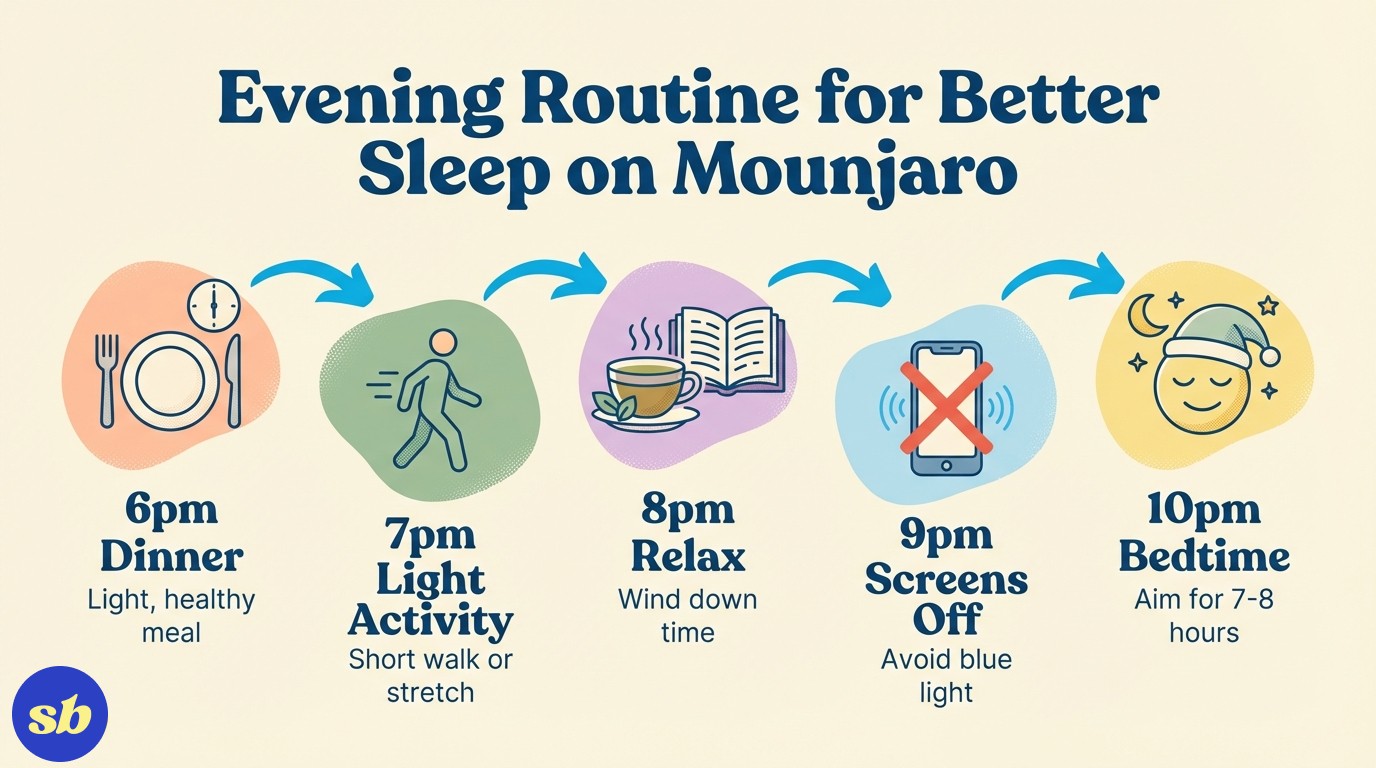
Time your meals carefully

What and when you eat affects sleep:
This reduces the chance of digestive discomfort disrupting your sleep.
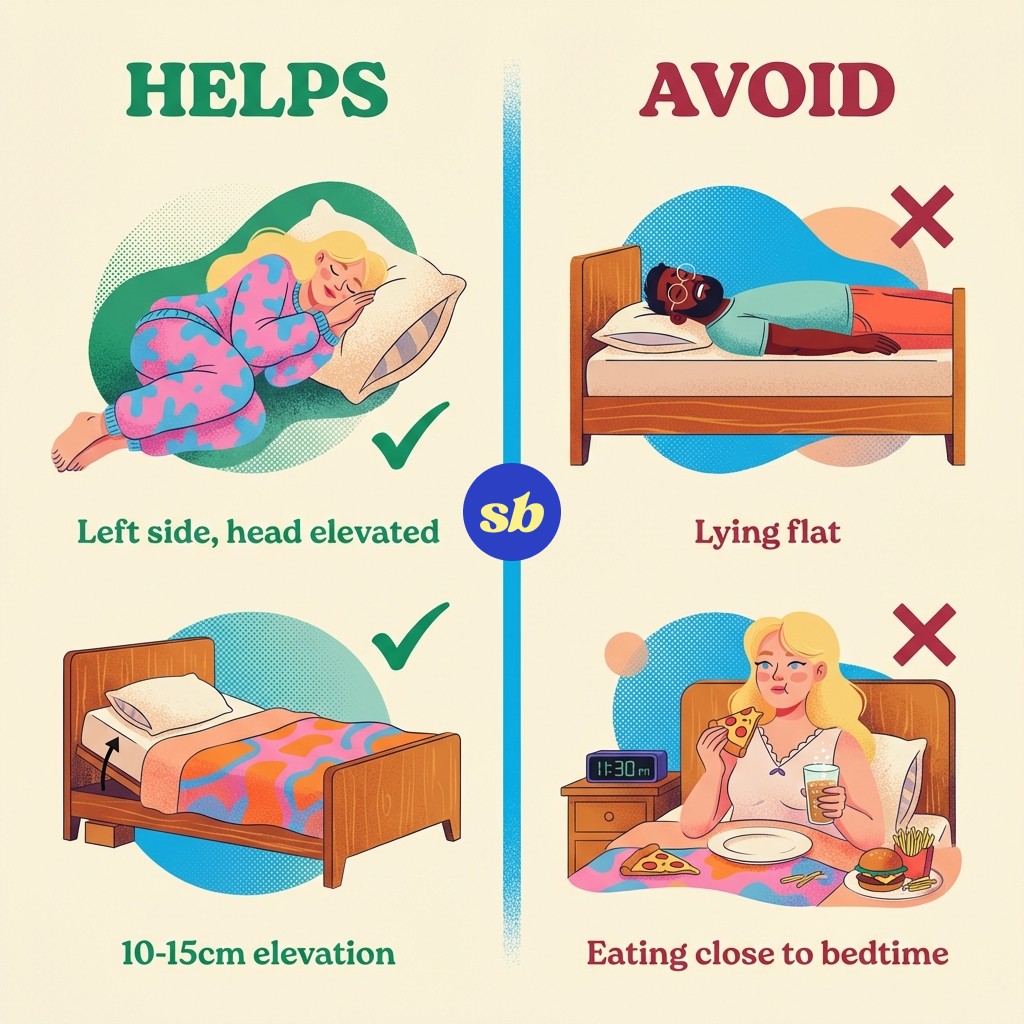
Manage digestive symptoms
If heartburn or nausea are keeping you awake:
Tips for managing nighttime digestive discomfort:
Time your Mounjaro injection strategically
Some people find that when they inject affects their symptoms. Experiment to find what works for you:
- Some prefer evening injections to sleep through initial side effects
- Others prefer morning injections to avoid nighttime symptoms
- Note any patterns and adjust accordingly
Maintain good sleep hygiene
Basic sleep hygiene becomes even more important when something is disrupting your sleep. The NHS recommends these strategies:
Sleep hygiene essentials:
Limit caffeine
If you suspect caffeine sensitivity has increased:
- Avoid caffeine after midday (or earlier if you’re sensitive)
- Reduce overall caffeine intake
- Remember that tea, chocolate, and some medications contain caffeine
- Switch to decaf or herbal alternatives in the afternoon and evening
Stay hydrated throughout the day
Proper hydration supports better sleep quality. Aim for at least 2 litres of water daily, as recommended by the NHS Eatwell Guide. If you’re experiencing digestive side effects that disrupt sleep, increase to 2–3 litres daily. However, taper your fluid intake in the evening to avoid frequent nighttime bathroom trips.
Ensure adequate nutrition
Severely restricting calories can affect sleep. Even if your appetite is reduced:
- Try to eat enough to meet basic nutritional needs
- Include protein (aim for 0.75g–1.2g per kilogram of body weight daily during weight loss)
- Include complex carbohydrates
- Don’t go to bed very hungry
A small snack containing protein and carbohydrate before bed can help stabilise blood sugar through the night if early waking is an issue.
Stay active, but time it right
Regular physical activity improves sleep quality, but timing matters:
- Exercise earlier in the day if possible
- Avoid intense exercise within 3–4 hours of bedtime
- Gentle activities like walking or yoga are fine in the evening
Manage stress and anxiety
If worry or anxiety is keeping you awake:
- Practice relaxation techniques (deep breathing, progressive muscle relaxation)
- Write down worries before bed to “park” them until morning
- Consider mindfulness apps designed for sleep
- Speak to your GP if anxiety is persistent
Consider natural sleep aids
Some people find these helpful:
- Melatonin: Generally safe to take alongside Mounjaro, as there are no known interactions listed in the Mounjaro SmPC, though start with low doses (1–2mg)
- Herbal teas: Chamomile, valerian, or lavender
- Magnesium: Can help with sleep and muscle relaxation
- Lavender: As essential oil or pillow spray
Check with your pharmacist before taking any supplements alongside Mounjaro.
When to see a doctor about sleep problems

These are normal and usually resolve on their own
- Occasional difficulty falling asleep in the first weeks on a new dose
- Mild changes to sleep patterns during dose escalation
- Vivid dreams that don’t cause significant distress
- Slight changes in sleep quality that improve within two to four weeks
Contact your GP or prescriber if you notice
- Sleep problems persisting for more than a few weeks
- Severe sleep deprivation affecting daily function
- Significant anxiety or depression
- Sleep issues affecting your quality of life

Seek immediate medical help if you experience
- Symptoms suggesting sleep apnoea (loud snoring, gasping during sleep, episodes where breathing stops)
- Severe confusion or disorientation upon waking
- Signs of very low blood sugar at night (severe sweating, shaking, confusion, loss of consciousness)
Call 999 if you experience loss of consciousness or severe breathing difficulties during sleep.
Your GP can:
- Check for underlying causes
- Review your medications
- Discuss whether Mounjaro dose adjustment might help
- Advise on whether continuing treatment is appropriate for you – never stop Mounjaro without discussing with your prescriber first
- Consider short-term sleep medication if appropriate
- Refer you for cognitive behavioural therapy for insomnia (CBT-I) – a structured programme that helps address thoughts and behaviours affecting sleep
Sleep problems alongside other side effects
Sleep issues often occur alongside other Mounjaro effects:
- Extreme fatigue: Poor sleep compounds daytime fatigue
- Nausea: Can disrupt sleep, especially if worse at night
- Heartburn: Often worse when lying down
- Anxiety: Commonly affects sleep
Addressing these other symptoms often improves sleep as well. They’re interconnected.
Does Mounjaro insomnia improve over time?
For most people, yes. Sleep issues tend to be worst during the initial adjustment period and after dose increases. As your body adapts to the medication, sleep typically improves.
Most side effects improve within two to four weeks on a stable dose. If you’ve been on a stable dose for several weeks and sleep problems persist, this might indicate other factors are involved. Speak to your healthcare provider about persistent insomnia.
The bottom line
Sleep problems on Mounjaro can result from various factors, including digestive discomfort, blood sugar changes, altered eating patterns, and the general adjustment your body is making to the medication.
Good sleep hygiene, timing meals appropriately, managing digestive symptoms, and addressing anxiety can all help improve sleep. Most people find that sleep issues resolve as their body adjusts to Mounjaro.
If insomnia persists or affects your quality of life, speak to your healthcare provider.
Frequently asked questions
Does Mounjaro cause insomnia?
Some people experience sleep disturbances on Mounjaro, though it’s not one of the most common side effects. Sleep problems can be caused by the medication’s effects on your body, by digestive side effects, or by changes to eating patterns.
Why can’t I sleep on Mounjaro?
Sleep difficulties can stem from digestive discomfort at night, blood sugar changes, eating less or at different times, increased caffeine sensitivity, or anxiety about treatment. Identifying your specific triggers can help you address them.
Will sleep problems on Mounjaro go away?
Usually, yes. Sleep disturbances often improve as your body adjusts to the medication. Good sleep hygiene and addressing underlying causes (like digestive symptoms) can speed improvement.
Should I take Mounjaro in the morning or evening for better sleep?
This varies by individual. Some people sleep better with morning injections, others with evening. Experiment to find what works for you, keeping other factors (like injection site reactions and digestive symptoms) in mind.
Can I take sleep aids with Mounjaro?
Most over-the-counter sleep aids and supplements are safe with Mounjaro, but check with your pharmacist first, especially if you take other medications. Your GP can advise on prescription options if needed.
Does eating less affect sleep?
Yes. A large reduction in calorie intake can affect sleep quality. Your body may interpret severe calorie restriction as stress. Try to maintain adequate nutrition even when appetite is reduced, and avoid going to bed very hungry.
Why do I have vivid dreams on Mounjaro?
Some people report more vivid dreams on GLP-1 medications. How this happens isn’t fully understood but may relate to changes in sleep architecture or metabolism during sleep. Vivid dreams aren’t harmful but can feel disruptive.
When should I see a doctor about insomnia on Mounjaro?
See your GP if sleep problems persist for more than a few weeks, affect your daily functioning, or are accompanied by other concerning symptoms like severe anxiety or symptoms suggesting sleep apnoea.
Can I take melatonin with Mounjaro?
Melatonin supplements are generally considered safe to take alongside Mounjaro, as there are no known interactions listed in the Summary of Product Characteristics. However, always check with your pharmacist or prescriber before starting any new supplement, especially if you take other medications. Start with the lowest dose (1–2mg) about 30 minutes before bedtime.
Can poor sleep affect my weight loss on Mounjaro?
Yes, poor sleep can affect weight loss. Sleep deprivation increases hunger hormones and can make it harder to stick to healthy eating patterns. Prioritising good sleep supports your weight loss efforts alongside the medication.
Sources
- Mounjaro Summary of Product Characteristics – Electronic Medicines Compendium
- How to get to sleep – NHS
- The Eatwell Guide – NHS