

Zepbound (tirzepatide) is one of the most effective weight-loss injections.
In the US, tirzepatide is sold as Zepbound for weight management and as Mounjaro for type 2 diabetes. As a prescription medication, Zepbound is FDA-approved, alongside a reduced-calorie diet and more physical activity, to reduce excess body weight and keep it off in adults with obesity, or with overweight and at least one weight-related condition. It works as a dual GLP-1 and GIP receptor agonist, meaning it mimics two hormones that control appetite and blood sugar, helping you feel full longer and eat less.

Like all medications, Zepbound has side effects. Most are mild and improve within a few weeks, but some need medical attention. Understanding what to expect can help you prepare for your weight loss journey and know when to seek help.
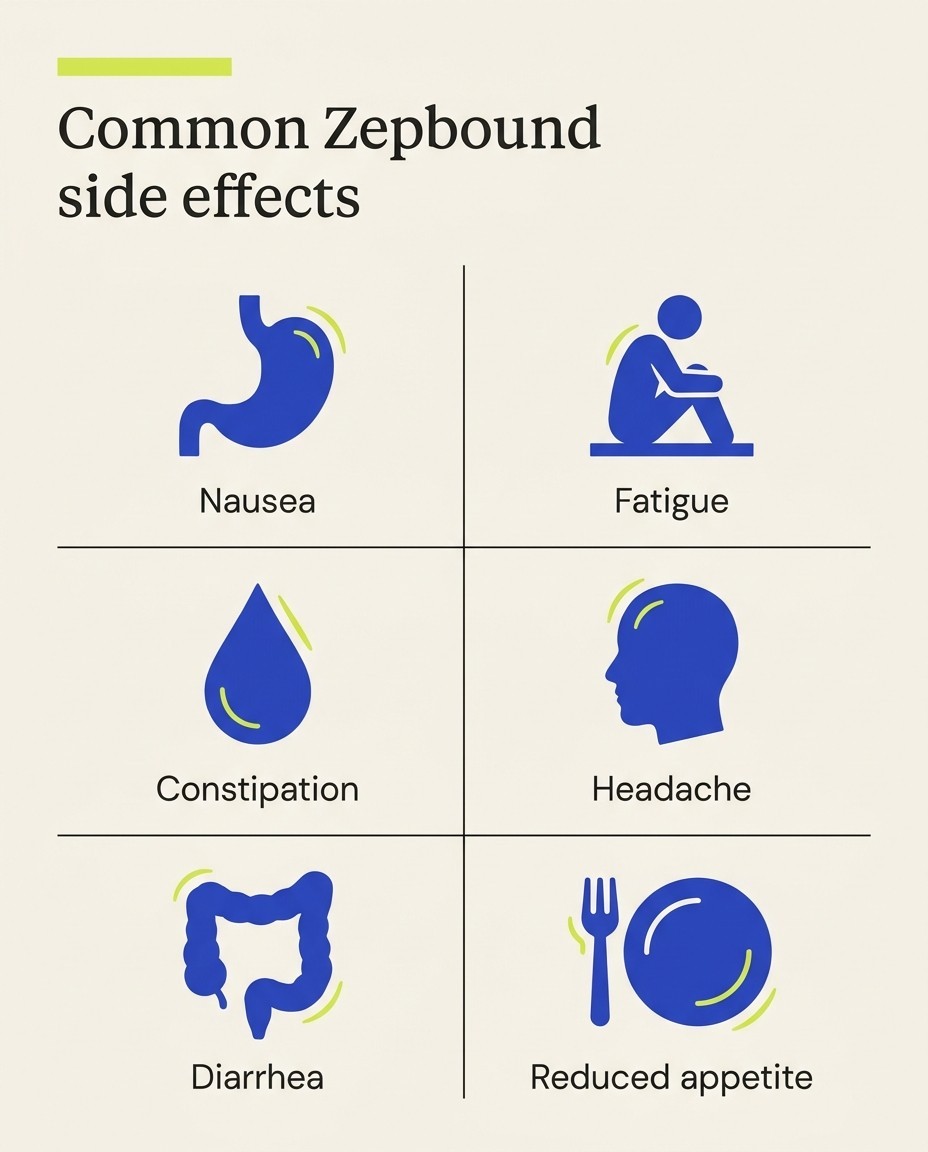
The most common side effects are digestive: nausea, vomiting, diarrhea, constipation, and reduced appetite. Most people find these ease after the first few weeks as their body adjusts.
Who this article is for
This guide is for anyone considering Zepbound, already taking it, or supporting someone who is. Whether you’re researching before starting treatment, experiencing side effects and wondering if they’re normal, or trying to decide if Zepbound fits your lifestyle, you’ll find practical, evidence-based information here.

Before starting Zepbound, you’ll need a thorough assessment from your prescriber covering your medical history, current medications, and any concerns. This guide is for information only (it doesn’t replace medical advice).
Source: Clinical information in this guide is based on the FDA prescribing information for Zepbound, the FDA prescribing information for Mounjaro, and published clinical research.
Key takeaways

Quick reference: common vs serious side effects
Common (usually mild)

Serious (seek help)

What to expect: timeline
Responses vary from person to person, but a common pattern emerges: by months 3–6 (maintenance phase), most side effects are minimal, though some may notice hair thinning or occasional food aversions.
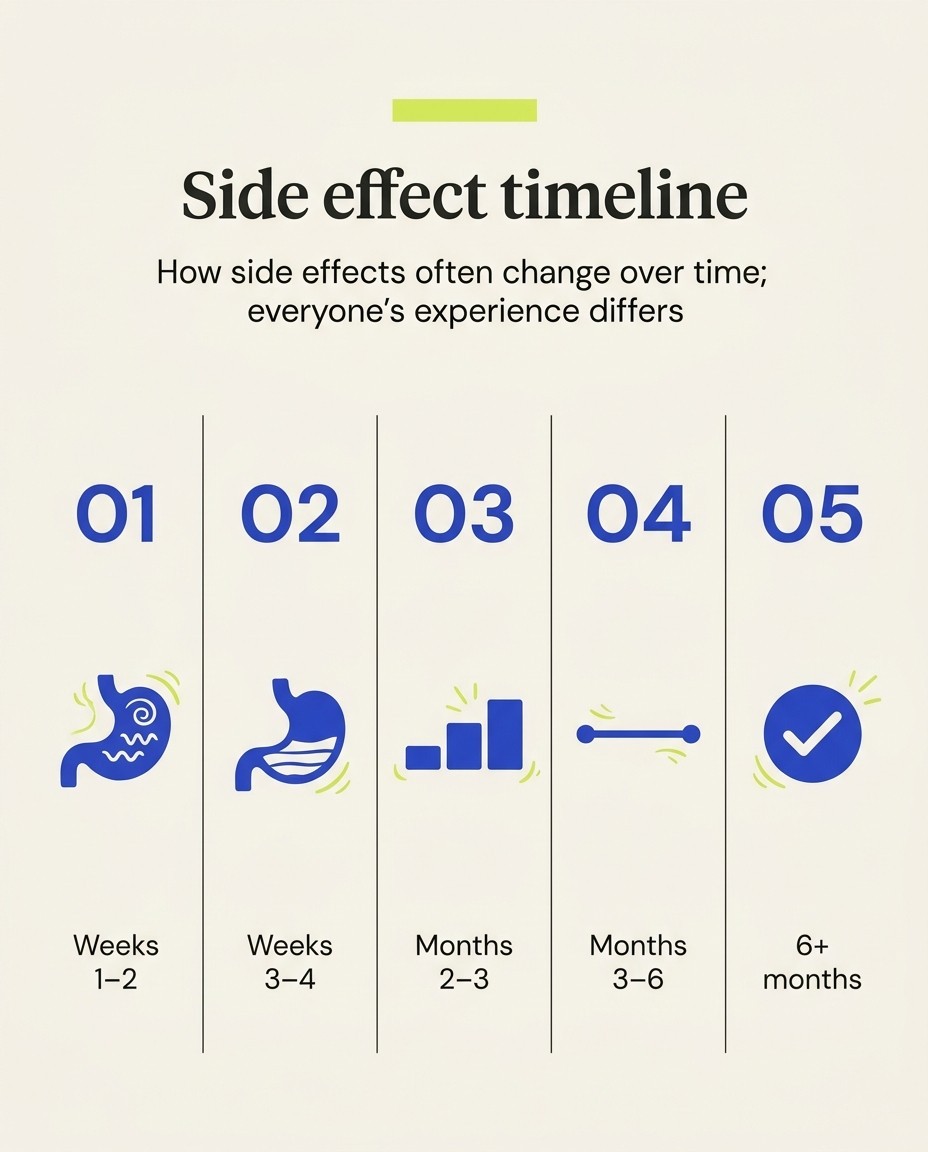
If side effects persist beyond 8–12 weeks at any dose, speak to your prescriber.
Digestive side effects
Zepbound slows stomach emptying, which is how it helps you feel full. But this also explains why digestive issues are the most common side effects.
Nausea and vomiting
Nausea is the most frequently reported side effect. In clinical trials, it affected around 1 in 4 people using Zepbound for weight management (25–29%), and about 1 in 6 to 1 in 8 people using Mounjaro for type 2 diabetes (12–18%).
It’s most common early on or after dose increases. Food sits in your stomach longer, which can make you feel queasy after meals or in the morning.

To reduce nausea:
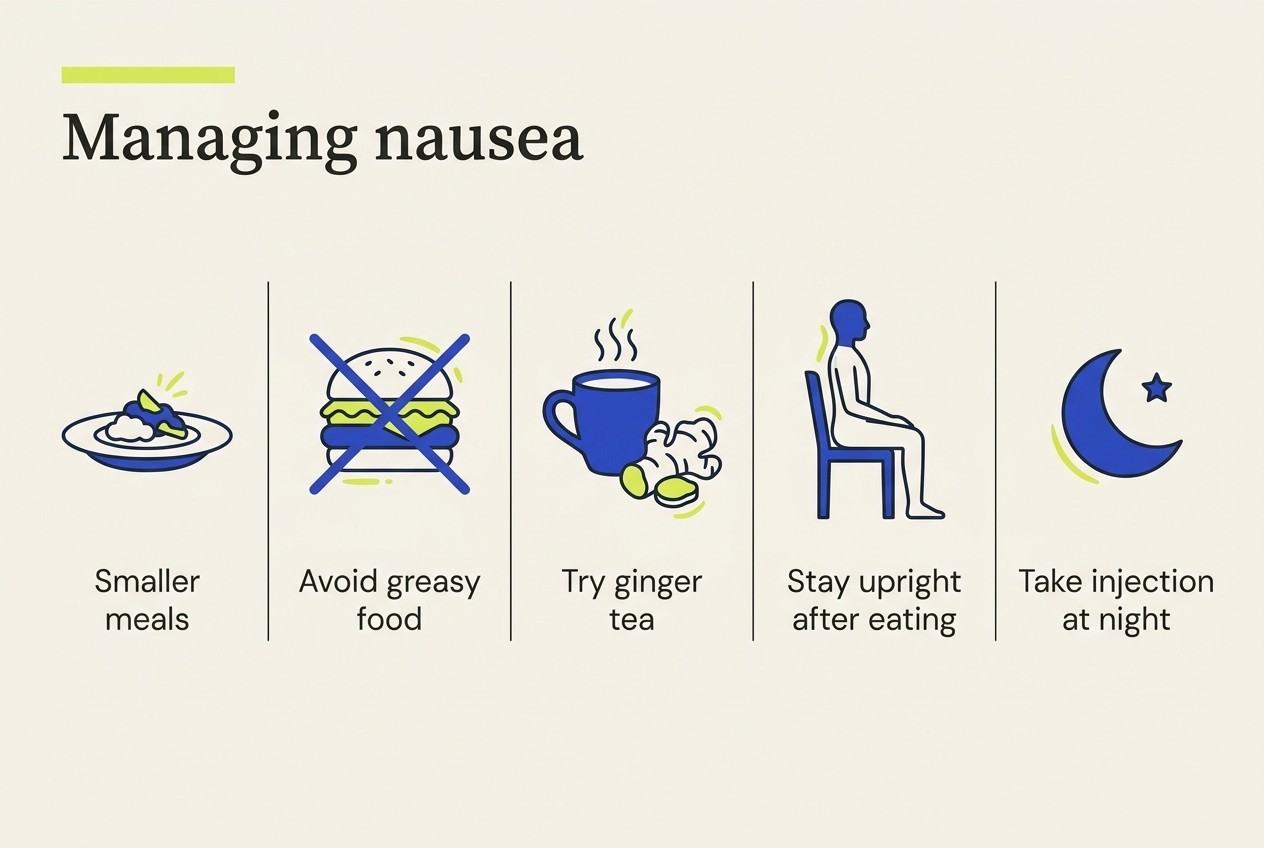
Most people find nausea fades after about a month. If it stops you from eating or drinking, contact your prescriber.
Diarrhea and constipation
Diarrhea affects around 1 in 5 people using Zepbound for weight management, and about 1 in 8 people using Mounjaro for diabetes. It usually settles within a few weeks. Stay hydrated and stick to bland foods like rice, toast, and bananas.
Constipation happens when digestion slows too much. Add more fiber, drink plenty of water, and try gentle exercise. If you’re still stuck after a few days, ask a pharmacist about a mild laxative. If diarrhea lasts more than a few days, gets severe, or you spot blood, contact your doctor.
Bloating, gas, and sulfur burps
Bloating and gas are common in the first few weeks as your system adjusts. Eating slowly and avoiding carbonated drinks helps. Sulfur burps (those rotten egg smells) aren’t in official side effect lists but are commonly reported by users. They happen because food sits longer in your gut, giving bacteria more time to produce hydrogen sulfide gas. Cutting back on eggs, red meat, garlic, onions, and cruciferous vegetables can help.
Heartburn
Zepbound can trigger heartburn by relaxing the valve between your stomach and esophagus while slowing digestion (a combination that makes acid reflux more likely). Avoid lying down for 2–3 hours after eating, skip trigger foods (chocolate, coffee, alcohol, spicy foods), and try over-the-counter antacids if needed. If heartburn becomes frequent, your doctor might recommend stronger medication.
Taste changes
Some people notice food tastes different while taking Zepbound. This is an uncommon side effect listed in the official information. Combined with food aversions (particularly to meat), this can make eating feel like a chore. These changes often settle over time.
Physical side effects
Tiredness and headaches
Fatigue is common when starting out (your body is adjusting to new blood sugar levels and eating less). Whole-body weakness can develop for some people early on. Headaches often stem from dehydration or blood sugar changes.
Drinking more water helps most people. Both usually improve as your body adjusts. If they persist, speak to your doctor. Rapid weight loss can also temporarily slow your metabolism as your body adjusts to consuming fewer calories. This is a normal adaptive response. Staying active with regular physical activity, even gentle walking or stretching, can help maintain your energy levels and support your metabolism during treatment.

Feeling cold and dizziness
Feeling colder than usual happens because you’re eating less (less fuel for warmth) and losing insulating body fat. Keep extra layers handy. Low blood pressure is a less common side effect, reported in about 1–2% of people using Zepbound for weight management in clinical trials.
This can cause dizziness, especially when standing up quickly. Stand up slowly, stay hydrated, and eat regular small meals. If you actually faint, contact your doctor immediately.
Hair thinning
Hair loss is listed as a common side effect for people using Zepbound for weight management (about 4–5% in clinical trials, compared with 1% on placebo). It usually appears a few months after starting and is linked to rapid weight loss. Your hair grows in cycles, and significant changes push more follicles into a resting phase. Hair regrowth timelines vary, but most people see improvement within 6–9 months of weight stabilization. Getting enough protein and nutrients helps. If hair loss is severe or persists beyond a few months, speak to your doctor.
Menstrual cycle changes
Women often notice changes in their periods (irregular, heavier, lighter, or more uncomfortable). Weight loss affects hormone levels, which can throw your cycle off temporarily.
Mental health effects
Zepbound can affect mood in ways you might not expect. While depression isn’t officially listed as a side effect, research analyzing psychiatric adverse events found mental health issues do appear in safety databases. The link isn’t fully understood. It may relate to brain chemistry changes, hormonal shifts from weight loss, or the stress of adjusting to the medication. Watch for:
-
Persistent low mood or loss of interest in things you usually enjoy
-
Increased anxiety, racing thoughts, or panic attacks
-
Unpredictable mood swings or unusual irritability
-
Brain fog or difficulty concentrating
If you already deal with depression or anxiety, discuss this with your doctor before starting. Track your mood, and seek help immediately for any thoughts of self-harm. Brain fog often improves with adequate hydration and nutrition.
Even when you’re not hungry, try to eat nutrient-rich foods. Maintaining motivation during treatment can be challenging, especially if side effects are affecting your quality of life.
Setting realistic expectations, celebrating small wins, and connecting with others on similar journeys can help. Some providers offer access to a health coach who can provide ongoing support and accountability throughout your treatment. If you’re struggling with your mental health, speak to your doctor urgently. If you’re in crisis or having thoughts of self-harm, call or text 988 to reach the 988 Suicide & Crisis Lifeline, available 24/7.
Injection site reactions
Zepbound is injected under the skin once weekly. Local reactions are common but usually mild, affecting around 6–8% of people using Zepbound for weight management. You might notice:
-
Redness (usually fades within a day or two)
-
Itching or swelling (try not to scratch; use a cold compress)
-
Bruising or soreness (more likely if you hit a blood vessel)
-
Rotate injection sites to reduce irritation.
If redness spreads, gets worse after a few days, or you notice warmth, increasing pain, or pus, contact your doctor. This could indicate infection.
Appetite and nutrition changes
Reduced appetite and early fullness
Zepbound’s most potent effect is appetite suppression. You may forget to eat, get full after just a few bites, or develop aversions to foods you once loved. Meat (especially chicken) is a common one. These aversions can shift week to week.
Getting enough protein
This matters. Your body needs protein to preserve muscle during weight loss. During active weight loss, aim for 0.45–0.55g of protein per pound of body weight daily. For someone weighing 180 lb, this means roughly 80–100g of protein daily.
Combine this with a balanced diet rich in vegetables, whole grains, and healthy fats for optimal nutrition. See our guide to eating well on Zepbound.
Strategies:
Staying hydrated
Eating less means getting less fluid from food. If you’re also dealing with nausea or vomiting, you’re losing even more. Zepbound makes you thirsty because your body genuinely needs more fluids.
Aim for about 68–100 fluid ounces (roughly 8½–12½ cups) of water daily when experiencing digestive side effects. Watch for signs of dehydration: dark urine, headaches, dizziness.
Electrolyte balance
If you’re eating and drinking less, electrolyte levels can drop (especially with vomiting or diarrhea).
| Electrolyte | Sources | Signs of deficiency |
|---|---|---|
| Sodium | Salt, broth, vegetables | Headaches, confusion, fatigue |
| Potassium | Bananas, potatoes, spinach | Muscle cramps, weakness |
| Magnesium | Nuts, seeds, whole grains | Muscle twitches, irregular heartbeat |
Sugar-free electrolyte drinks can help. If symptoms persist, speak to your doctor.
Blood sugar effects
Zepbound signals your pancreas to release insulin when blood glucose levels rise. This helps regulate blood sugar and can lead to improvements in HbA1c (a measure of average blood sugar over 2–3 months) for people with type 2 diabetes. While this is beneficial, it can cause problems if you’re already taking other diabetes medications.
Low blood sugar (hypoglycemia)
On Mounjaro alone, hypoglycemia is uncommon because the medication only triggers insulin release when blood sugar is already high. But combined with insulin or sulfonylureas (diabetes pills like glipizide or glimepiride that stimulate insulin production), the risk increases significantly. Warning signs:
-
Shakiness, trembling hands
-
Sudden sweating, cold clammy skin
-
Confusion, difficulty focusing
-
Weakness, especially in legs
-
Rapid heartbeat
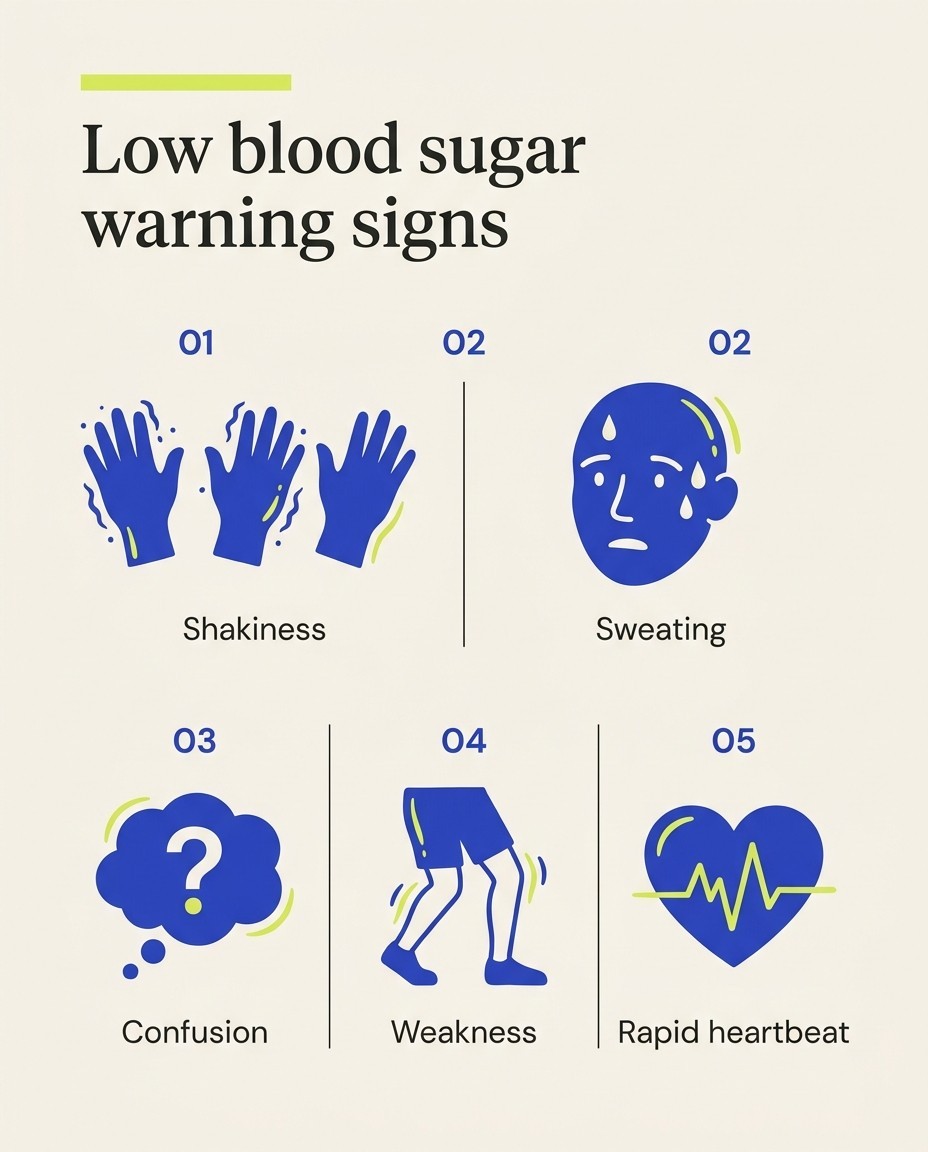
If you experience these, check your blood sugar if possible and eat or drink something sugary. If symptoms are severe or you feel confused, get help immediately. Medications that increase hypoglycemia risk with Zepbound:
-
Insulin (any form)
-
Sulfonylureas (glimepiride, glipizide)
-
Meglitinides (repaglinide, nateglinide)
Metformin, SGLT2 inhibitors (like dapagliflozin), and DPP-4 inhibitors (like sitagliptin) don’t typically increase this risk. For more information on drug interactions, see the FDA prescribing information for Zepbound.
Serious risks: gallbladder and pancreas
These are uncommon but serious. Know the warning signs.
Gallstones and gallbladder problems
Gallstones can occur in people using Zepbound for weight management and Mounjaro for diabetes. In the Zepbound label, cholelithiasis was reported in about 1.1% of treated patients in trials. Rapid weight loss changes bile composition, making stones more likely.
Studies show gallbladder disorders increase with GLP-1 medications. A 2022 meta-analysis of 76 clinical trials found that GLP-1 medications are associated with an additional 27 gallbladder or biliary events per 10,000 patients treated per year.
The risk is higher with longer treatment and higher doses. In some cases, the gallbladder can become infected (cholecystitis), an uncommon but more serious complication that may require hospital treatment. Symptoms to watch for:
-
Sharp or cramping pain in upper right abdomen
-
Pain after eating, especially fatty foods
-
Pain spreading to back or right shoulder
-
Nausea, vomiting, or yellowing skin
-
Fever (may indicate infection)
Contact your doctor right away if you experience these.
Pancreatitis
Pancreatitis cases have been reported with Zepbound, though they’re uncommon. This is inflammation of the pancreas and requires urgent medical attention. Seek immediate help if you have:
-
Severe upper abdominal pain radiating to your back
-
Pain that worsens after eating and doesn’t improve with position changes
-
Persistent vomiting
-
Fever and rapid heartbeat
-
Tender, swollen belly
Acute pancreatitis needs quick treatment. Don’t wait to see if it passes. If you have a history of pancreatitis, discuss this with your doctor before starting Zepbound. The FDA prescribing information lists acute pancreatitis as a warning for tirzepatide.
Cardiovascular effects
Heart rate changes
GLP-1 medications can increase resting heart rate. In clinical trials, Zepbound increased heart rate by an average of 1–3 beats per minute, with no increase on placebo. Most people don’t notice this.
Palpitations
Feeling your heart skip, flutter, or race can happen, particularly when adjusting to a new dose. These episodes usually don’t last long and aren’t dangerous. Stress, caffeine, or dehydration can make them worse. If palpitations persist, come with chest pain or shortness of breath, contact your doctor.
Blood pressure
Weight loss typically lowers blood pressure, which is usually beneficial. If you’re already on blood pressure medication, your doctor may need to adjust your dose. Don’t stop blood pressure medication without medical advice.
Thyroid warning
Zepbound carries a boxed warning about thyroid tumors. In animal studies, tirzepatide caused thyroid C-cell tumors (medullary thyroid carcinoma) at doses similar to human use. Whether this happens in humans is unknown, but the risk is considered serious enough to warrant caution. Do not take Zepbound if you have:
-
Personal history of medullary thyroid carcinoma (MTC)
-
Family history of MTC
-
Multiple endocrine neoplasia syndrome type 2 (MEN 2), a rare inherited condition affecting hormone-producing glands
While taking Zepbound, watch for:
-
A lump or swelling in your neck
-
Persistent hoarseness
-
Difficulty swallowing
-
Shortness of breath
Report any of these symptoms to your doctor promptly. See the FDA prescribing information for full details on this boxed warning.
Pregnancy and breastfeeding
Talk to your doctor before trying to conceive. Weight loss offers no benefit during pregnancy and may cause fetal harm, and the FDA prescribing information for Zepbound advises stopping the medication when pregnancy is recognized. Tirzepatide has a long half-life (approximately 5 days), so it stays in your body for a while after your last dose. There isn’t enough safety data for pregnancy, and animal studies have shown reproductive toxicity. If you discover you’re pregnant while taking Zepbound, stop immediately and contact your doctor.
We don’t know if Zepbound passes into breast milk. The manufacturer advises avoiding it while breastfeeding. A decision should be made whether to discontinue breastfeeding or the medication.
Zepbound can increase fertility, especially if body weight has previously affected ovulation. If you don’t want to become pregnant, use reliable contraception.
Zepbound may reduce the effectiveness of oral contraceptive pills. The FDA label advises people using oral hormonal contraceptives to switch to a non-oral method, or add a barrier method (such as condoms), for 4 weeks after starting treatment and for 4 weeks after each dose increase.
Who faces higher risks
People with digestive conditions
If you have acid reflux, GERD (gastroesophageal reflux disease), or gastroparesis (a condition where the stomach empties very slowly), Zepbound can make symptoms worse.
The medication slows stomach emptying further, which can intensify existing issues. One patient found her side effects got worse with uncontrolled acid reflux. If you’ve had pancreatitis, most doctors will advise against Zepbound.
Starting dose and escalation
Starting lower or increasing more slowly than standard guidelines can significantly reduce side effects. Nearly half of people stop GLP-1 drugs within 6–12 months, often due to side effects from rapid dose increases.
Very low calorie intake
Zepbound can suppress appetite so much that eating becomes difficult. Severe calorie restriction causes muscle weakness, fatigue, and nutritional deficiencies. If you can barely eat, speak to your prescriber. Your dose may need adjusting.
Long-term side effects and what typically improves
Understanding long-term side effects helps you plan for sustainable treatment. While most digestive symptoms resolve within weeks, some effects may persist or emerge over time.
What typically improves
-
Nausea and vomiting (often gone by 4–8 weeks)
-
Diarrhea (usually better within a month)
-
Fatigue (energy tends to return)
If side effects persist beyond 8–12 weeks, discuss alternatives with your healthcare provider.
What may worsen at higher doses
-
Constipation and bloating
-
Sulfur burps
-
Severe appetite suppression
-
Acid reflux
Some people stay at a lower dose because higher doses are too uncomfortable. That’s a valid choice. Speak to your prescriber about what’s right for you.
When to seek medical help
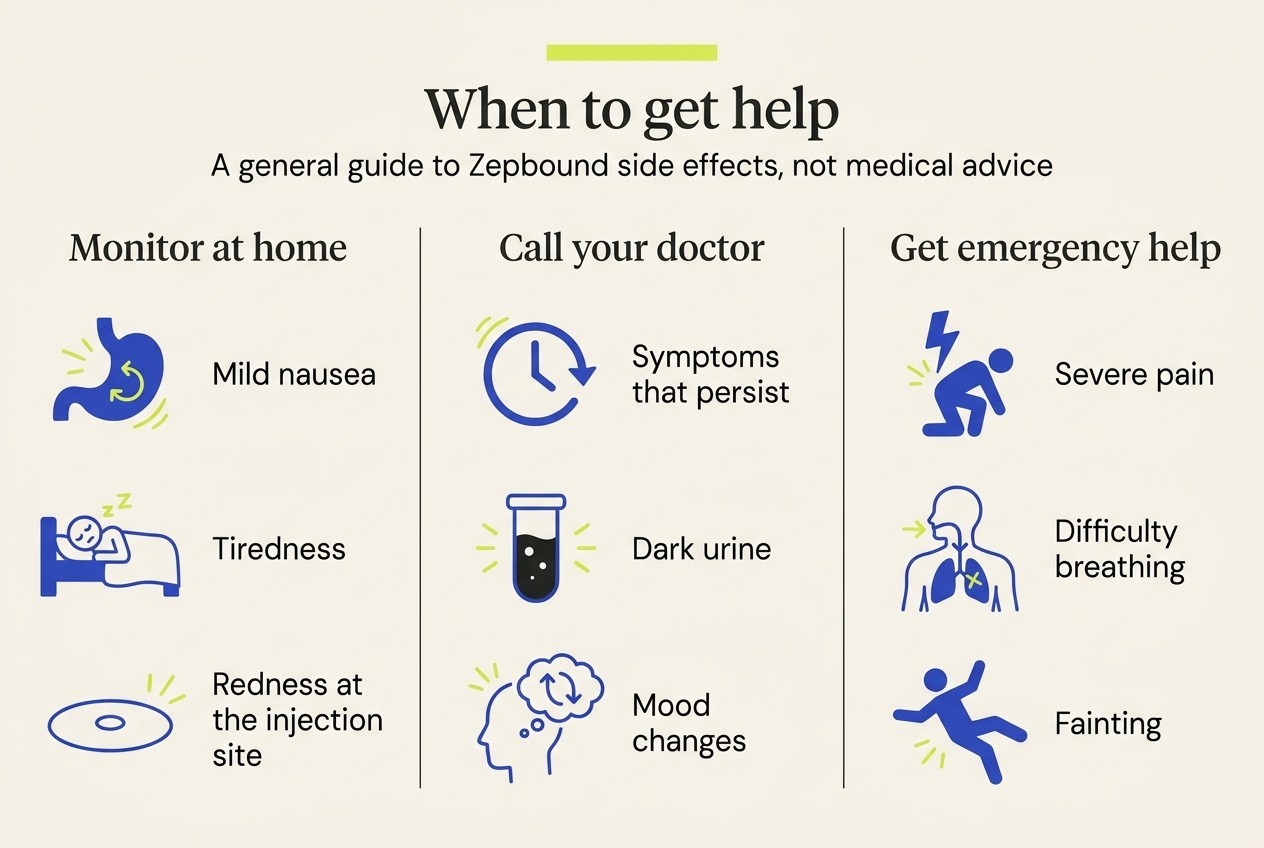

Normal (monitor at home)
- Mild nausea, especially after eating
- Constipation or loose stools
- Tiredness or low energy
- Reduced appetite
- Injection site redness that fades within days
Needs primary care review (speak to your doctor)
- Digestive symptoms that don’t improve after several weeks
- Dark urine, reduced urination, or ankle swelling (possible kidney issues)
- Vision changes
- Vomiting or diarrhea lasting more than 24 hours
- Persistent mood changes

Emergency (seek immediate help)
- Severe abdominal pain, especially radiating to back
- Persistent vomiting, unable to keep fluids down
- Signs of allergic reaction: facial swelling, difficulty breathing, spreading rash
- Confusion, fainting, or severe weakness
- Thoughts of self-harm
Call 911 for suspected allergic reactions or pancreatitis. If unsure whether symptoms are serious, contact your doctor.
Frequently asked questions
How long do Zepbound side effects last?
Most digestive side effects (nausea, diarrhea, bloating) improve within 4–8 weeks as your body adjusts. Side effects often return temporarily when you increase your dose, then settle again.
Can I take anti-nausea medication with Zepbound?
Yes. Your prescriber can recommend anti-nausea medication if needed. Some people find this helpful during the first few weeks or after dose increases.
Will I lose muscle on Zepbound?
You can lose muscle alongside fat, especially with rapid weight loss or inadequate protein intake. Aim for 0.45–0.55g of protein per pound of body weight daily to preserve muscle mass, and include resistance training in your activity routine.
Is hair loss permanent?
Usually not. Hair thinning from rapid weight loss typically reverses once your weight stabilizes, usually within 6–9 months. Ensure adequate protein, iron, and nutrients to support regrowth.
Can Zepbound affect my mental health?
Some people report mood changes, anxiety, or low mood. The research is still emerging. If you have a history of depression or anxiety, discuss this with your doctor before starting, and monitor your mood throughout treatment.
What happens if I miss a dose?
Take it as soon as you remember if it’s within 4 days of your scheduled dose. If more than 4 days have passed, skip that dose and take the next one on your regular day. Don’t double up. The minimum time between two doses must be at least 3 days.
Can I drink alcohol on Zepbound?
Alcohol isn’t banned, but it may worsen nausea and can affect blood sugar levels. Many people find their alcohol tolerance decreases. If you choose to drink, do so in moderation and monitor how you feel.
What if I can’t tolerate Zepbound at all?
Speak to your prescriber. Options include lowering your dose, slowing the escalation schedule, or trying a different medication. Some GLP-1 medications have milder side effect profiles than others.
Do I need to tell my anesthesiologist I’m taking Zepbound?
Yes. Zepbound delays stomach emptying, which increases the risk of aspiration during general anesthesia. Always inform your healthcare team, including the anesthesiologist, before any surgical procedure. The FDA prescribing information for Zepbound notes rare postmarketing reports of pulmonary aspiration in people taking GLP-1 receptor agonists during general anesthesia or deep sedation.
Are there long-term side effects of Zepbound?
Most side effects improve within the first few months as your body adjusts. Long-term side effects are still being studied, as Zepbound is relatively new. Hair thinning, taste changes, and food aversions may persist for some people. The risk of gallbladder problems may increase with longer treatment duration. Regular check-ins with your prescriber help monitor for any emerging concerns. If you’re taking Zepbound long-term, ongoing assessment of your overall health and nutritional status is important.