
If you’ve been reaching for extra sweaters, turning up the heat, or wondering why your hands and feet are always freezing since starting Zepbound, you’re not imagining it. Feeling cold isn’t listed as a side effect in the US prescribing information for Zepbound, but plenty of people describe it as they lose weight. This article explains why it happens and what lifestyle changes can help.
Mounjaro and Zepbound are the same drug, tirzepatide. In the US, Mounjaro is approved for type 2 diabetes and Zepbound for weight management, so everything here applies to both.

The short answer: Feeling cold on Zepbound is usually caused by eating less and losing body fat, which both reduce your body’s heat production and insulation. It’s usually harmless, though occasionally it can point to nutritional or other health issues worth checking.
Key takeaways

Why does Zepbound make you feel cold?
Most of the reasons come back to how the medication changes your eating and metabolism.
Zepbound contains tirzepatide, a once-weekly injection that acts on two gut hormone receptors, GIP and GLP-1. That’s why it’s sometimes called a dual agonist. In the US, Mounjaro is approved to lower blood sugar in adults with type 2 diabetes, measured by HbA1c, a blood test that shows your average blood sugar over about three months. The same drug is sold as Zepbound for weight management in adults with obesity (a body mass index, or BMI, of 30 or more) or a BMI of 27 or more with at least one weight-related health condition. Either way, it slows digestion and turns down appetite, so most people eat less. That drop in food, and the weight loss that follows, explains most of the chill.
You’re eating fewer calories
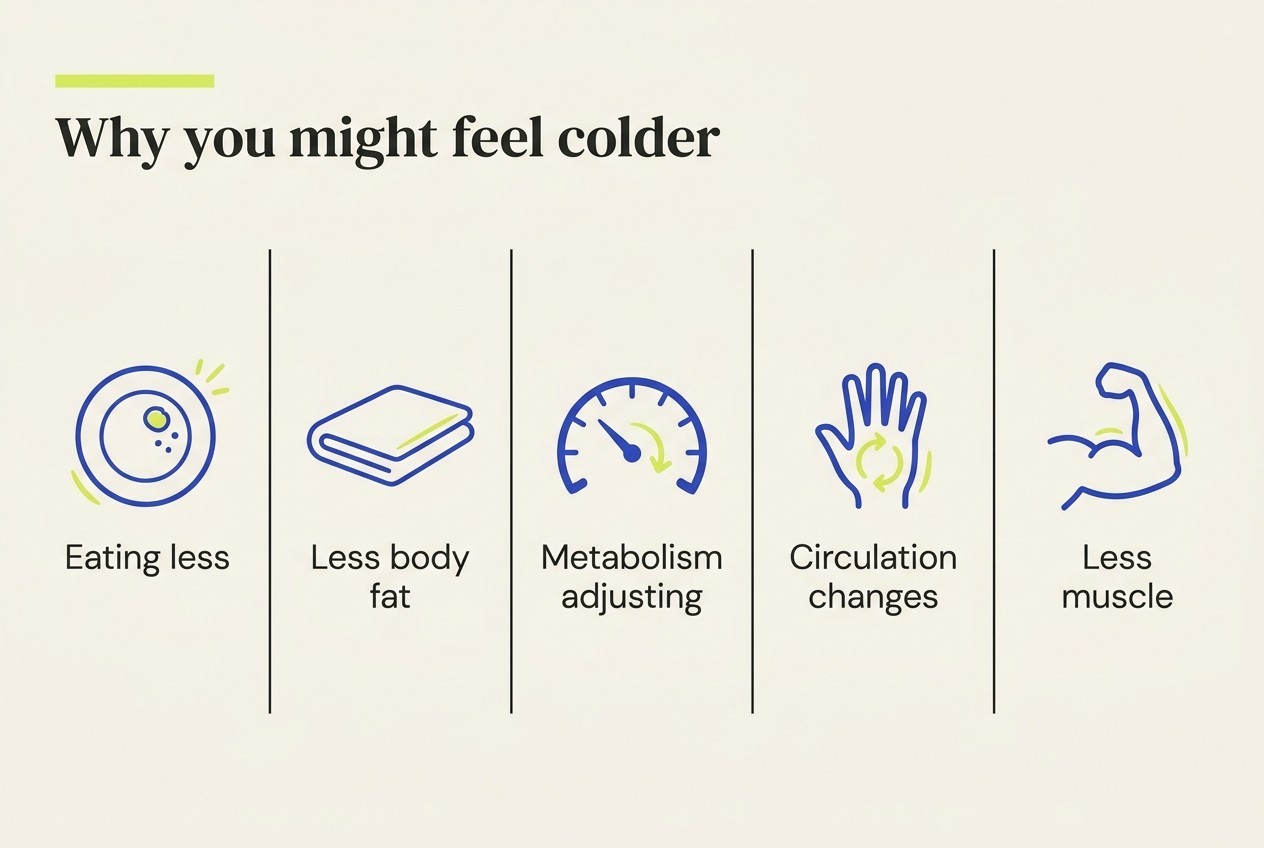
Food is fuel, and your body generates heat when it digests food. This process, known as diet-induced thermogenesis, means that eating triggers heat production as a natural byproduct. When you eat less (as most people do on Zepbound), your body simply produces less heat.
Think of it like a fire that’s been given less wood. It still burns, but not as hot.
You’re losing insulating body fat
Fat tissue acts as insulation, helping your body retain heat. As you lose weight on Zepbound, you lose some of this natural insulation. Places where you’ve lost the most fat may feel the cold more.
This is particularly noticeable in hands and feet. In SURMOUNT-1, a 72-week trial in adults with obesity or overweight who did not have diabetes, people taking tirzepatide lost an average of 15% to 21% of their body weight, depending on dose, compared with about 3% on placebo (this study). That’s a lot of insulating tissue.
Your metabolism may be adjusting
When you lose weight, your body tends to become more economical with energy. Scientists call this adaptive thermogenesis: after weight loss, you may burn slightly fewer calories at rest than would be expected for your new size, and some of that saving comes from producing less heat (Rosenbaum and Leibel).
It happens with any kind of weight loss, not just on Zepbound, but because tirzepatide can lead to relatively fast loss, you may notice it more.
Changes in circulation
Some people notice that their hands and feet feel particularly cold on Zepbound. This could relate to changes in blood pressure, blood sugar, or simply having less insulating tissue around blood vessels.
Fingers or toes that turn white or blue in the cold, then red as they warm up, can be a sign of Raynaud’s phenomenon, where small blood vessels overreact to cold (NHLBI). If you notice color changes like these, mention them to your doctor.
Reduced muscle mass
If you’re losing weight quickly and not doing resistance exercise, you may lose some muscle along with fat. Muscle burns calories and generates heat even at rest, so less muscle means less heat production.
This is one reason getting enough protein and doing some strength training is recommended during weight loss.

Is feeling cold on Zepbound normal?
Yes, for most people feeling colder is a normal consequence of eating less and losing weight. It doesn’t mean something is wrong.
However, the severity varies. Some people notice a slight increase in sensitivity to cold, while others feel perpetually freezing. Your experience depends on:
- How much weight you’ve lost
- How quickly you’ve lost it
- How much you’re eating
- Your baseline metabolism and body composition
- Where you are in your dose schedule. Zepbound starts at a low dose and is usually stepped up every four weeks or more, a process called dose escalation. Some people find their appetite drops further after an increase, which can mean eating less and feeling colder for a while. Don’t change your dose to manage this; mention it to your prescriber instead.
- Environmental factors (it’s more noticeable in winter)

When feeling cold might signal a problem
While feeling colder is usually harmless, sometimes it can point to issues worth checking with your doctor.
Inadequate calorie intake
If you’re feeling extremely cold, weak and tired, you might not be eating enough. Zepbound can turn your appetite down a lot, and some people end up eating far too little.
Your body needs a minimum amount of fuel to function properly, including regulating its temperature. Eating very little for a long time can leave you feeling cold, exhausted and unwell.
If you’re regularly eating very little, often well under 1,200 calories a day, talk to your doctor or a registered dietitian about how much you should be eating. Zepbound doesn’t need extreme restriction to work, and very low-calorie diets are meant to be followed only with medical supervision (NIDDK).
Thyroid issues
Feeling cold is a classic symptom of an underactive thyroid (hypothyroidism), where the thyroid gland in your neck doesn’t make enough of the hormone that sets how fast your body runs. Zepbound isn’t known to cause an underactive thyroid. Weight loss doesn’t cause one either, but it’s a common condition, and feeling cold is one of its classic signs, so it’s worth ruling out.
If feeling cold comes with other symptoms like unusual fatigue, hair loss, dry skin, constipation, or unexplained weight gain (despite Zepbound), ask your doctor about a thyroid blood test. The NIDDK guide explains how it’s diagnosed.
Iron deficiency or anemia
Feeling cold, especially in your hands and feet, can be a sign of iron deficiency or anemia. If you’re eating less overall, you may not be getting enough iron from your diet.
Other signs of anemia include fatigue, pale skin, shortness of breath, and dizziness. A simple blood test can check your iron levels. See MedlinePlus for more information.
Poor circulation
If your hands or feet are very cold, changing color (white, blue, or red), or numb, this could point to a circulation problem rather than a normal Zepbound side effect. Mention this to your doctor, particularly if you have other heart or blood vessel risk factors.
Low blood sugar (hypoglycemia)
If you take Mounjaro alongside insulin, such as insulin glargine, or a sulfonylurea such as glipizide, your risk of low blood sugar is higher (FDA label). Feeling suddenly cold and clammy can be one sign, along with shakiness, sweating, a fast heartbeat, confusion and irritability (MedlinePlus).
If you notice these, check your blood sugar. If it’s below 70 mg/dL, have 15 g of fast-acting carbohydrate (4 ounces of juice or regular soda, or glucose tablets) and recheck after 15 minutes. Let your prescriber know if it keeps happening, since your other diabetes medications may need reviewing. Don’t change any doses yourself.
How to manage feeling cold on Zepbound
You can’t entirely prevent feeling colder if you’re eating less and losing fat, but several strategies can help you stay comfortable.
Dress in layers
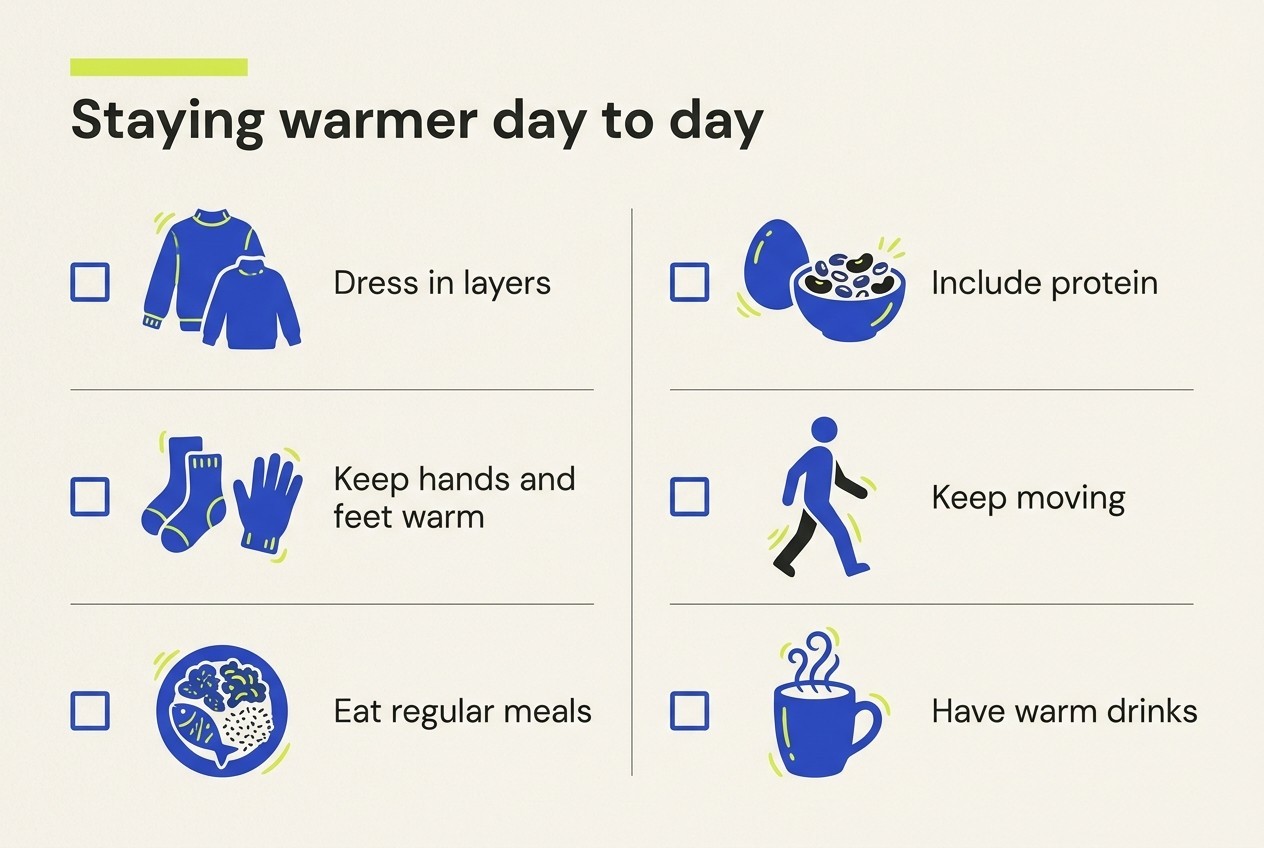
Dress in layers so you can adjust throughout the day as your body temperature changes. Keep an extra sweater at work, in the car, and around the house.
Thermal underlayers can make a significant difference without adding bulk.
Keep your extremities warm
Hands, feet and ears often feel the cold most. Invest in warm socks or thermal insoles, gloves for outdoor wear, a good hat to keep your head warm, and hand warmers for particularly cold days.
Eat regular meals
Even if you’re not hungry, eating regular meals helps maintain your body’s heat production. Don’t skip meals entirely, as this can make the cold feeling worse. If you’re regularly eating very little, see “Inadequate calorie intake” above.
Include plenty of fiber-rich foods like vegetables, whole grains, beans and lentils alongside your meals. While fiber doesn’t directly warm you up, it helps keep your energy steady and prevents blood sugar dips that can leave you feeling cold and tired.
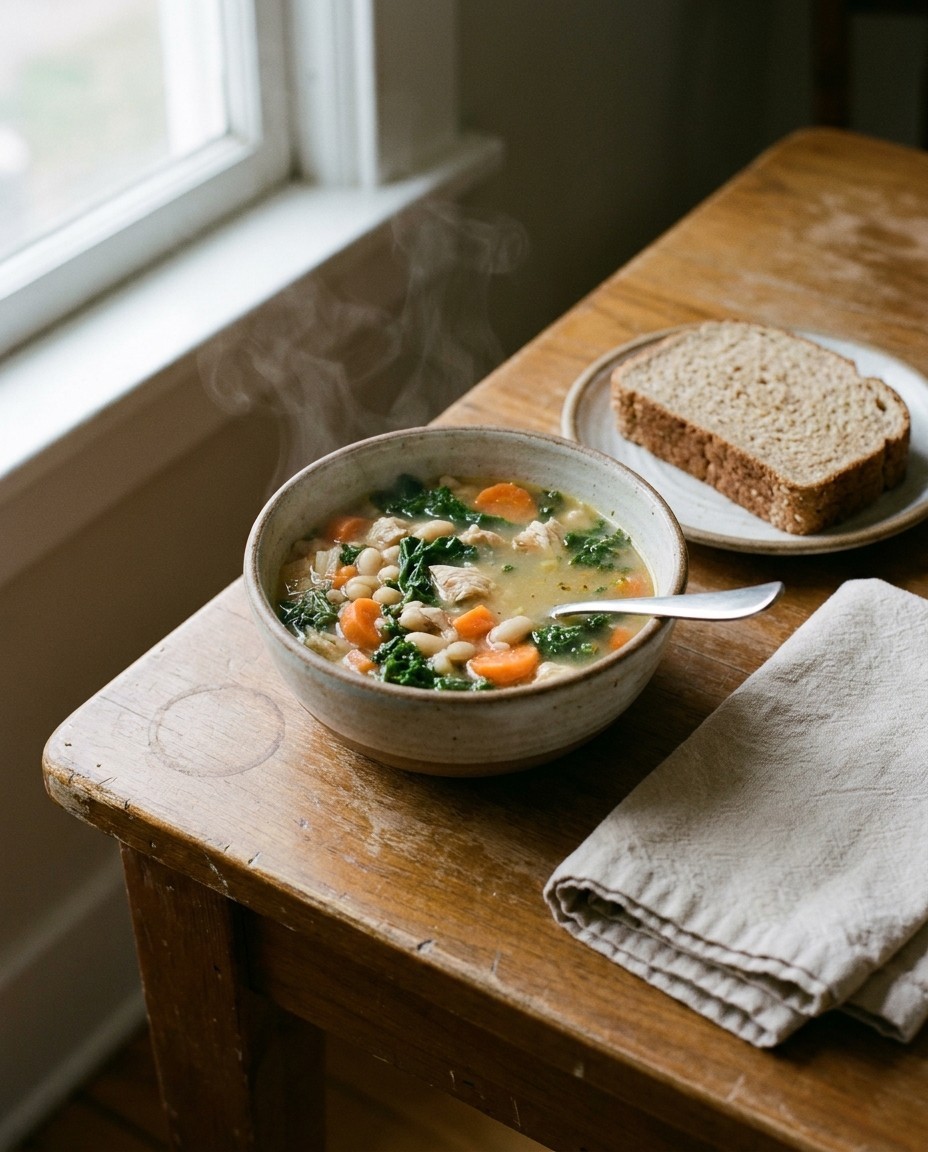
Warm foods and drinks can provide an immediate warming effect. Soups, stews, oatmeal and hot drinks feel more satisfying when you’re cold.
Stay active
Physical activity generates heat and improves circulation. Even a short walk or some light stretching can warm you up when you’re feeling chilly.

Regular exercise also helps maintain muscle mass, which contributes to heat production.
Eat enough protein
Protein has a higher thermic effect than carbohydrates or fat, meaning your body generates more heat digesting it. About 20–30% of the calories in protein are used up just digesting it, compared with 5–10% for carbohydrates and 0–3% for fat (Westerterp, 2004).
During weight loss, a common target is about 0.45–0.55 g of protein per pound of body weight. That works out to roughly 80–95 g a day for someone who weighs 175 pounds. An easier way to think about it is 25–30 g of protein at each meal.
Good protein sources include lean meats and poultry, fish, eggs, Greek yogurt, beans, lentils and other legumes, and tofu or tempeh.
Stay hydrated
Fluids help your body regulate its temperature. There’s no single number that suits everyone: the National Academies’ Dietary Reference Intakes for water (2004) suggest around 11.5 cups of total fluid a day for women and 15.5 cups for men, counting water from food and all drinks (CDC). A simple check is pale-yellow urine. Warm drinks count, so tea, broth and warm water all help on both fronts.
Fluids matter even more if nausea, vomiting or diarrhea are making it hard to keep drinks down. The prescribing information for Mounjaro and Zepbound warns that dehydration from these side effects can lead to kidney problems, including sudden kidney injury (FDA label). Sip water, broth or tea through the day, and call your doctor if you can’t keep fluids down.
Keep your home warm
Nudge your thermostat up a degree or two to make up for your lower tolerance to cold. Yes, the bill goes up a bit. Being comfortable in your own home is worth it.
Use hot water bottles or microwavable heating pads, electric blankets, or heated throws to warm up without heating the entire house.
Have warm drinks throughout the day
Hot tea, coffee, or simply warm water with lemon can help you feel warmer from the inside. Caffeine is fine in moderate amounts.
Limit alcohol. It can make you lose heat faster even though it feels warming. Alcohol also affects blood sugar levels, which can contribute to feeling cold.
Herbal teas like ginger or cinnamon can feel particularly warming.
Feeling cold alongside other side effects
Feeling cold often occurs alongside other Zepbound side effects that relate to eating less. You might also experience:
- Tiredness: also caused by eating less
- Hair thinning: related to rapid weight loss
- Headaches: can be triggered by not eating or drinking enough
- Dizziness: may point to dehydration or low intake
- Bloating, nausea or constipation: common stomach side effects, especially after starting or increasing a dose, and often easing within two to four weeks on a stable dose
If you’re experiencing several of these symptoms together, it’s worth reviewing whether you’re eating and drinking enough. These symptoms often improve with better nutrition.
When to see a doctor
Feeling colder than usual doesn’t typically need medical attention. However, talk to your doctor if:
- Cold sensitivity is severe and affecting your quality of life
- You have other symptoms suggesting thyroid problems (fatigue, hair loss, unexplained weight changes, constipation)
- You notice a lump or swelling in your neck, trouble swallowing, hoarseness or shortness of breath
- Your fingers or toes change color (white, blue) or become numb
- You feel unwell alongside feeling cold
- Cold sensitivity comes with significant weakness or dizziness
- Symptoms persist despite eating enough calories and protein
Your doctor can check for underlying issues like thyroid problems or anemia with simple blood tests. Don’t stop or change your Zepbound dose to deal with feeling cold; talk to your prescriber first.

When to get urgent help
Get medical help right away if you have:
- Severe stomach pain that won’t go away, with or without vomiting, sometimes spreading to your back. This can be a sign of pancreatitis (an inflamed pancreas), a rare but serious side effect of tirzepatide (FDA label).
- Pain in your upper stomach, fever, yellowing of your skin or eyes, or clay-colored stools, which can signal gallbladder problems. These are more common with rapid weight loss (NIDDK, Zepbound label).
Call 911 or go to the ER if someone with very low blood sugar is confused, can’t safely eat or drink, has a seizure or passes out.
Does feeling cold improve over time?
For many people, yes: as your weight and eating settle, the intense cold sensitivity often eases. If you’ve lost a lot of weight, though, you may stay a little more sensitive to cold than before, simply because you have less insulation.
A good coat and a stash of warm socks go a long way.
The bottom line
Feeling cold on Zepbound is common. Eating less reduces heat production, and losing body fat reduces insulation. For most people it’s harmless, though it can be annoying.
Dressing warmly, eating regular meals with enough protein, staying active and keeping your home warm can help. If cold sensitivity is extreme or comes with other symptoms like significant fatigue or hair loss, talk to your doctor to rule out underlying issues like thyroid problems or anemia.
For more on what to expect during treatment, see our complete guide to Zepbound side effects.
Frequently asked questions
Is feeling cold a sign Zepbound is working?
Not specifically. Feeling cold indicates you’re eating less and possibly losing fat, which are part of how Zepbound works. But you can lose weight on Zepbound without feeling particularly cold, and feeling cold doesn’t guarantee weight loss. It’s a side effect, not a measure of how well the medication is working.
Does Mounjaro make you feel cold too?
Yes, it can. Mounjaro and Zepbound both contain tirzepatide, so the same causes apply: eating less, losing body fat and your metabolism adjusting. The same fixes help too.
Can Zepbound cause thyroid problems?
Zepbound isn’t known to cause an underactive thyroid (hypothyroidism), which is the thyroid problem linked to feeling cold. Separately, Mounjaro and Zepbound carry a boxed warning, the FDA’s most serious label warning, because tirzepatide caused thyroid C-cell tumors in rats (FDA label). It isn’t known whether this happens in people. They shouldn’t be used by anyone with a personal or family history of medullary thyroid cancer or MEN 2. Tell your doctor about a lump or swelling in your neck, trouble swallowing, hoarseness or shortness of breath. If you have signs of an underactive thyroid, such as unusual tiredness, hair loss, dry skin or constipation, ask your doctor about a blood test.
Why are my hands and feet so cold on Zepbound?
Hands and feet often feel cold first because they’re furthest from your core. With less insulating fat and possibly fewer calories coming in, your body may prioritize keeping your core warm, leaving hands and feet colder. Warm socks, gloves and staying active can help.
Does feeling cold go away if I stop Zepbound?
Don’t stop or change your dose to deal with feeling cold. Talk to your prescriber first. Some people regain weight after stopping, which would restore some insulation. Any change in cold sensitivity linked to eating would depend on how your eating changes afterward.
Will eating more help me feel warmer on Zepbound?
Yes, eating regular meals can help. Your body generates heat when digesting food, so eating more often (even small amounts) can boost heat production. Focus on protein-rich foods and warm meals like soups and stews for an immediate warming sensation.
How long does feeling cold last on Zepbound?
There’s no research on exactly how long it lasts. Many people find it eases as their weight and eating settle, though some stay a little more sensitive to cold than before.
Can feeling cold on Zepbound be a sign of something serious?
Usually not. It’s a common consequence of eating less and losing weight. However, if cold sensitivity is extreme, comes with color changes in your fingers or toes (white, blue), or comes with severe fatigue, hair loss or dizziness, talk to your doctor. These could point to thyroid problems, anemia or circulation issues that need checking.
Should I take supplements to help with feeling cold on Zepbound?
There’s no specific supplement that prevents cold sensitivity from weight loss. However, getting enough iron (from food, or supplements if a blood test shows you need them) can help if anemia is contributing. A blood test can check whether you’re low in iron or other nutrients. Check with your doctor before starting iron, since too much can cause problems (NIH fact sheet).
Does Zepbound affect blood circulation?
There’s no clear evidence that Zepbound affects circulation directly. Tirzepatide can lower blood pressure a little and raise resting heart rate slightly, and weight loss and eating less can also change how warm your hands and feet feel. If your hands or feet are extremely cold, changing color or becoming numb, mention this to your doctor, as it could point to a circulation issue worth looking into.