
Getting pregnant while taking Mounjaro probably wasn’t on your bingo card. You might’ve started the medication to lose weight or manage diabetes, and now you’re staring at a positive test, maybe feeling a bit blindsided.
We get it. It’s confusing and stressful.

If you’ve accidentally become pregnant on Mounjaro, stop taking the medication right away and contact your doctor or midwife as soon as you can. Weight loss injections like Mounjaro can actually boost your fertility, which surprises a lot of people, and early exposure doesn’t automatically spell trouble for your baby.
Mounjaro can reduce the effectiveness of oral contraceptives, so some people have become pregnant unexpectedly while using these medications. Mounjaro (tirzepatide, the active ingredient) isn’t recommended during pregnancy, but early exposure hasn’t been linked to birth defects in current human studies.
If you’ve dealt with infertility from PCOS (polycystic ovary syndrome) or weight issues, sudden weight loss can kick-start ovulation before you even notice.
Understanding how GLP-1 receptor agonists (the class of medications that includes Mounjaro and Wegovy) affect pregnancy and breastfeeding helps you work out what to ask your healthcare team.
Key takeaways

How Mounjaro can affect fertility and contraception
Mounjaro does more than just help you shed pounds. It can kick-start your period if you’ve had irregular cycles, and it might interfere with how well your contraceptive pill works.

Why weight loss on Mounjaro restores ovulation
Carrying extra weight, especially with PCOS, often stops regular ovulation. Fat tissue produces oestrogen, and too much throws your hormones off-kilter.
Mounjaro helps people lose weight fast. For many women with PCOS, losing weight can help restore more regular ovulation as the pounds drop. Clinical trials have shown that tirzepatide produces significant weight loss of 15–22.5% of body weight over 72 weeks, which can be enough to shift hormonal balance.
If you’re trying to conceive, that’s great. But if you’re not, the return of fertility can catch you off guard.
Doctors have seen patients get pregnant unexpectedly after starting tirzepatide. Maybe your periods have been missing or all over the place for years, so you assumed you weren’t fertile. Suddenly, you are.
Impact on contraceptive effectiveness
Here’s something that might catch you off guard. Mounjaro can affect how your body absorbs hormonal contraceptives.
Tirzepatide slows how fast food moves through your stomach (known as gastric emptying). This means your oral contraceptive pill might not get absorbed as well. Hormone replacement therapy (HRT) can be affected the same way.
What this means for you:
-
The pill might not work as reliably as usual.
-
Non-oral contraceptives like the implant, injection, or coil aren’t affected.
-
Condoms are a solid backup.
Mounjaro may reduce the effectiveness of oral contraceptives. Use additional barrier contraception (such as condoms) for 4 weeks after starting treatment and for 4 weeks after each dose increase, as stated in the Mounjaro patient information leaflet.
Risks of unplanned pregnancy with PCOS and irregular periods
Women with PCOS have a unique situation on Mounjaro. You might not have had a proper period in ages, so pregnancy didn’t even cross your mind.
Weight loss injections change that quickly. Ovulation can come back before you notice any regularity in your cycles. You could release an egg and get pregnant before you even realise your fertility has returned.
Researchers recommend using contraception to prevent unintended pregnancy while taking these medications. The MHRA (Medicines and Healthcare products Regulatory Agency) and Eli Lilly both say to stop Mounjaro at least two months before trying for a baby, as stated in the Mounjaro SmPC.
If you do get pregnant on Mounjaro, stop the injections straight away and call your GP. Since we don’t have extensive safety data, stopping early is the safest approach.
Recognising pregnancy while taking Mounjaro
Working out if you’re pregnant while on Mounjaro can be tricky. Early pregnancy symptoms often look just like the side effects of the medication.
Knowing when to test and what to watch for can help you catch it early.
Common early signs and overlapping side effects
This is where it gets confusing. Nausea and vomiting? Classic early pregnancy, but also the most common Mounjaro side effects.
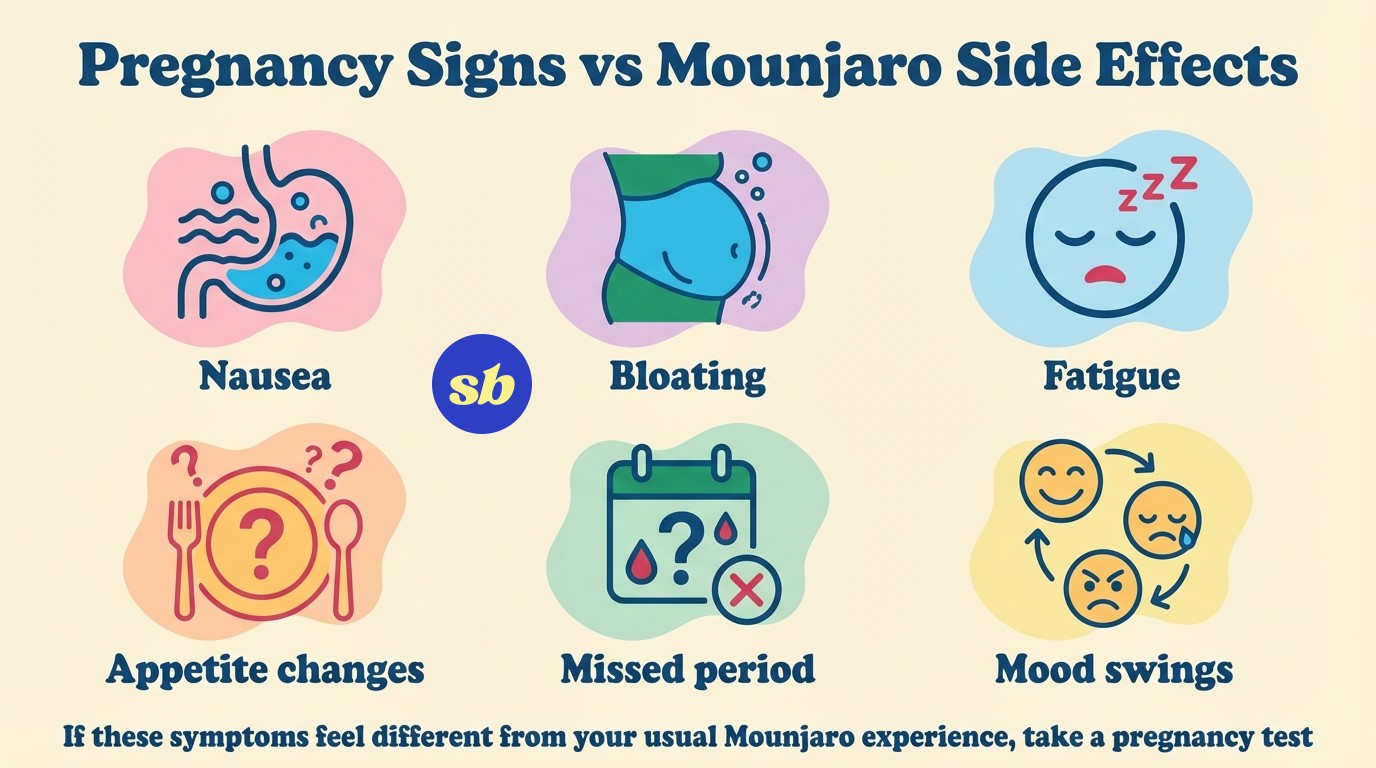
Bloating, fatigue, weird appetite changes: same deal. The overlap is so strong that a lot of women miss the signs for weeks.
The difference usually comes down to timing and how the symptoms feel. If you’ve been on Mounjaro for a while and your nausea suddenly ramps up or feels different, take note. New breast tenderness, a missed period, or food aversions that don’t match your usual experience could mean pregnancy, not just the medication.
We’ve heard from women who thought early pregnancy signs were “just the injection working” until other clues popped up. Things like more frequent urination, mood swings, or a metallic taste in your mouth can be hints. If something feels off compared to your usual Mounjaro routine, trust your gut.
When to take a pregnancy test
Don’t wait for total certainty. If your period is even a few days late on Mounjaro, just take a test.

Take a pregnancy test if you notice:
- Your period is even a few days late
- Nausea suddenly feels different or more intense than your usual Mounjaro side effects
- You experience new breast tenderness, food aversions, or mood changes
- You’ve had vomiting or diarrhoea that may have affected pill absorption
If your test is positive, stop Mounjaro immediately and contact your GP or midwife within a day or two.
Modern home pregnancy tests can pick up pregnancy hormones from the first day of a missed period, sometimes even before. Some tests are sensitive enough to work five days early, but they’re more accurate as time goes on.
A positive test means you need to contact your doctor right away to talk about stopping Mounjaro, since weight loss during pregnancy is not recommended. If you’re sexually active and not using reliable contraception, consider testing every few weeks just to be safe, especially since Mounjaro may reduce the effectiveness of oral contraceptive pills.
Role of ovulation and early baby scans
Tracking your cycle helps you spot pregnancy sooner. Some women use ovulation tests to work out their fertile window, which can help you know when conception might’ve happened.
If you get a positive result on Mounjaro, your GP will probably set up an early baby scan to confirm the pregnancy and check dates. These scans usually happen between 6–8 weeks and help work out how long you’ve been pregnant, which matters for tracking Mounjaro exposure.
An early scan checks that the pregnancy is in the right place and offers some peace of mind during a stressful time. This is particularly important to rule out an ectopic pregnancy (where the embryo implants outside the womb), which needs urgent treatment. Don’t put off booking this appointment. The sooner you confirm pregnancy and stop the medication, the better you and your healthcare team can plan.
Next steps after a positive pregnancy test on Mounjaro
If you just found out you’re pregnant while taking Mounjaro, your top priority is talking to your healthcare provider and stopping the medication safely.
Your doctor will help you manage the switch, keep an eye on your health if you have type 2 diabetes, and support you with any worries about the medication’s impact.
Medical guidance: stopping Mounjaro safely
Call your GP or diabetes specialist as soon as you get a positive test. Try not to panic, but aim to speak to your GP within a day or two of getting a positive result.
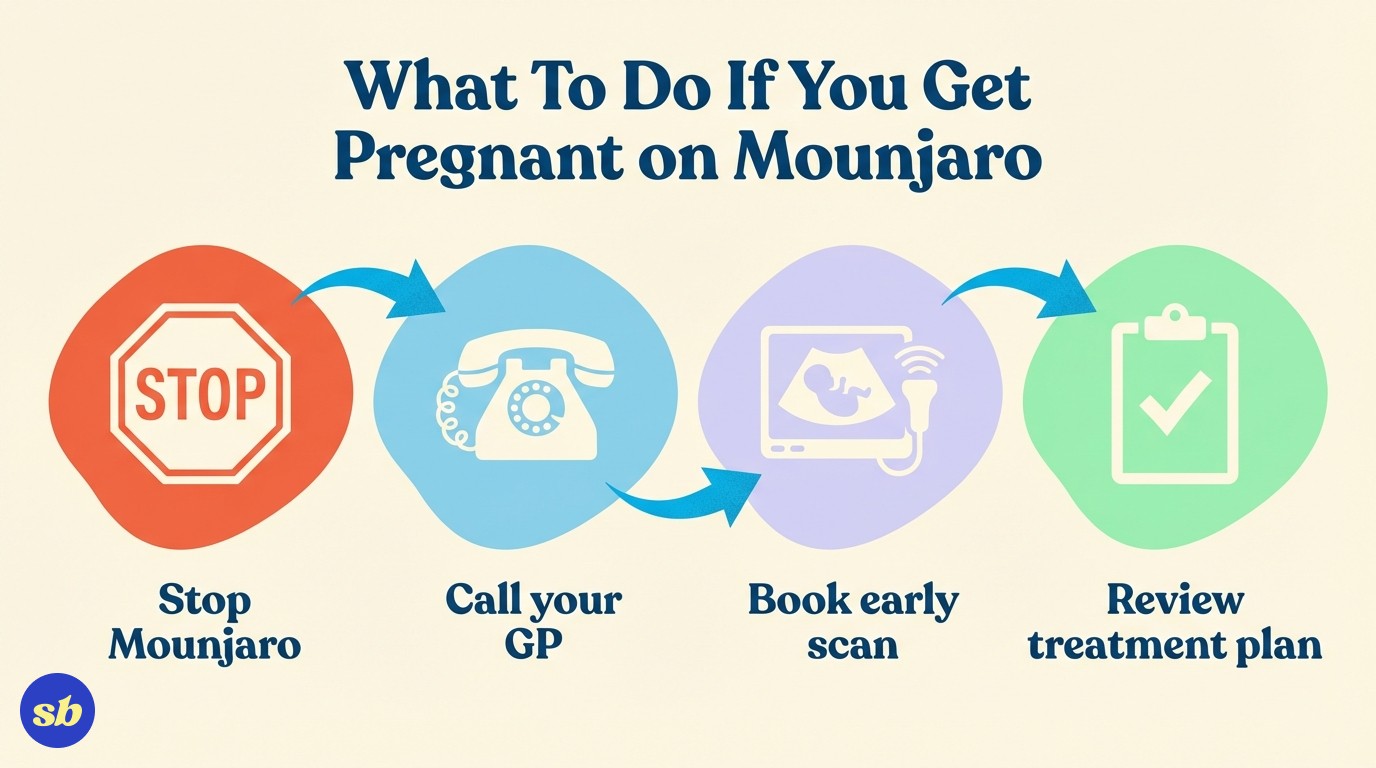
Mounjaro (tirzepatide, from Eli Lilly) is for weight loss and type 2 diabetes. Guidelines say to stop it before trying to get pregnant. If you’re already pregnant, your doctor will tell you to stop straight away.
There’s no need to taper off Mounjaro. Just stop taking it. The medication slows gastric emptying (how quickly food leaves your stomach) and helps regulate blood sugar, but it’s not considered safe during pregnancy because we just don’t have enough data.
Your healthcare team will check your current health. If you used Mounjaro for type 2 diabetes, they’ll likely switch you to insulin or another pregnancy-safe option. Blood sugar control matters a lot during pregnancy, so you’ll need another plan.
If you took it mainly for weight loss, your doctor will talk you through stopping and keeping an eye on your weight gain during pregnancy. Some women notice their appetite jumps up after stopping, since Mounjaro curbs hunger. Most side effects improve within 2–4 weeks as your body adjusts to being off the medication.
It’s also worth knowing that Mounjaro isn’t recommended while breastfeeding. There isn’t enough data on whether tirzepatide passes into breast milk, so if you plan to breastfeed, you’ll need to stay off the medication until after you’ve finished. Your GP can help you plan when it’s safe to restart treatment.

Seek immediate medical help if you experience any of the following while pregnant on Mounjaro:
- Severe abdominal pain (could indicate pancreatitis or ectopic pregnancy)
- Heavy vaginal bleeding
- Signs of allergic reaction: facial swelling, difficulty breathing, severe rash
- Severe or persistent vomiting that prevents you from keeping fluids down
- Confusion, fainting, or severe weakness
Call 999 for suspected allergic reactions or pancreatitis. Contact your GP or midwife urgently for any other concerns.
Potential effects on pregnancy and the baby
Research shows GLP-1 receptor agonists like Mounjaro haven’t shown direct teratogenic effects (meaning they don’t appear to cause birth defects) in human studies. So far, they don’t seem to cause harm to the developing baby.
Here’s what we know:
-
No consistent patterns of birth defects have turned up with early pregnancy exposure.
-
Most pregnancies exposed to these medications ended in live births without major issues.
-
Animal studies suggest the medication may not cross the placenta under normal conditions, according to the Mounjaro SmPC preclinical safety data.
-
Lower birth weight in some animal studies seemed tied to appetite suppression, not drug toxicity, as noted in the Mounjaro SmPC section 5.3.
The leaflet that comes with Mounjaro says not to use it during pregnancy. That’s standard for medications without a lot of pregnancy safety data.
We need more research, honestly. Most studies are small and involve accidental exposures, not large trials.
Your doctor might want to monitor you a bit more closely during pregnancy. This could mean more ultrasounds or growth scans to check your baby’s development.
Support and emotional wellbeing
Getting pregnant while on Mounjaro can feel overwhelming. Maybe you’re scared about how the medication could affect your baby, or worried about stopping it if you relied on it for diabetes.
Talk openly with your healthcare team about your concerns. They’re there to help, not judge. Unplanned pregnancies happen, especially since some people have become pregnant without intending to whilst taking these medications.
You can reach out to:
-
Your midwife or antenatal team for pregnancy support
-
A diabetes specialist nurse if you need help with type 2 diabetes
-
Mental health services if anxiety gets tough to handle
If you were in fertility treatment when you conceived, your clinic can coordinate with your maternity team.
Some women notice rapid weight changes after stopping Mounjaro, which can affect how you feel about your body during pregnancy. Weight gain is normal and healthy when you’re expecting.
Connecting with others who’ve been through this can help. Online communities offer reassurance, though it’s always best to double-check medical advice with your doctor.
Preventing accidental pregnancy on weight loss medications
Weight loss medications like Mounjaro can interfere with how your body absorbs contraception, especially oral contraceptives. Mounjaro also isn’t suitable during pregnancy or breastfeeding, so if you’re sexually active and not planning a pregnancy, it’s important to know which contraceptive methods actually work while on these treatments.
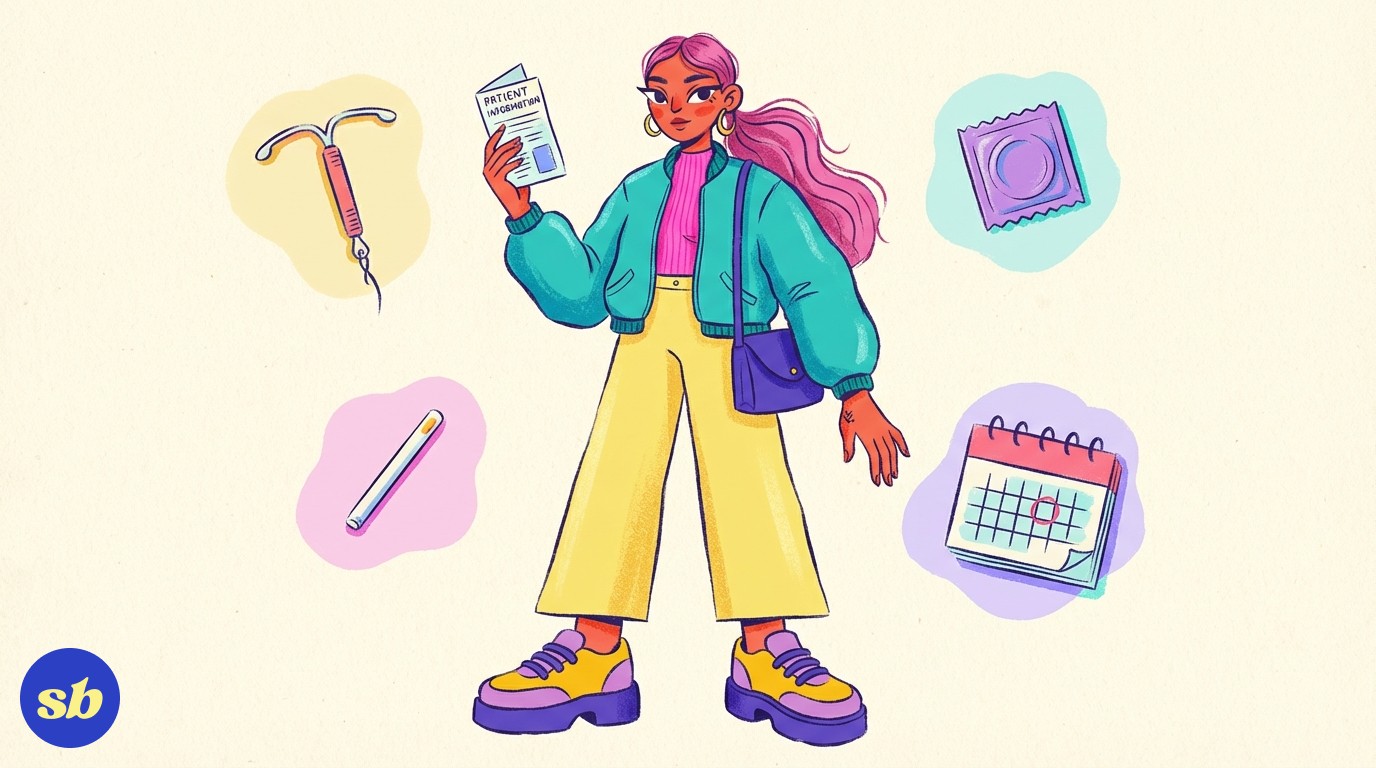
Which birth control methods are reliable on Mounjaro?
Not all contraception works well alongside weight loss medications. Mounjaro can cause vomiting and diarrhoea, which means your body might not absorb the pill properly.
Most reliable options:
- Intrauterine devices (IUDs): These aren’t affected by stomach issues. The hormonal IUD stays highly effective for up to 8 years and doesn’t rely on your digestive system.
- Contraceptive implants: The small rod in your arm releases hormones straight into your bloodstream, skipping your gut entirely.
- Contraceptive injections: Given every few months, these work no matter what’s happening in your stomach.
- Condoms: Barrier methods like condoms provide solid protection and aren’t influenced by any medications.
Less reliable during treatment:
The pill just isn’t as dependable on Mounjaro. If you throw up within three to four hours of taking it, or have bad diarrhoea, those hormones won’t get absorbed properly. The FSRH guidance on missed pills covers what to do if vomiting affects absorption. That puts you at risk for an unplanned pregnancy.
Switching to a non-oral contraceptive before starting Mounjaro is a smart move if you’re currently using the pill.
Practical tips for managing contraceptives
If you’re set on staying on the pill while taking Mounjaro, use condoms as backup, especially in those early months when side effects tend to hit hardest.
Grab your patient information leaflet that comes with your contraception and actually read it. It’ll tell you what to do if you miss a dose or end up vomiting.
Honestly, having emergency contraception around isn’t a bad idea. It’s a simple precaution that could prevent an unplanned pregnancy.
Some people notice their Mounjaro side effects calm down after the first few weeks. Still, the medication hangs around in your system and could affect absorption at any point.
Keep track of:

If you’re using condoms, don’t just toss them in your wallet or leave them in a hot car: heat ruins them. Always check the expiry date before you use one.
Consulting your healthcare provider
Before you start Mounjaro, book an appointment to talk about contraception. Your GP or prescriber needs your full contraceptive history and what you’re using right now.
Be upfront about how consistent you are with your current contraception. If you sometimes forget pills, now’s not the moment to just hope for the best.
Your healthcare provider can help you pick a method that actually fits your routine. Don’t be afraid to ask:
-
Should I switch contraception before starting treatment?
-
How long should I use backup protection?
-
What symptoms mean my contraception might have failed?
-
When should I take a pregnancy test if I’m concerned?
The MHRA says you should use extra contraceptive precautions if you get vomiting or severe diarrhoea while on oral contraceptives. Your provider should tell you exactly what that means for your situation. For detailed guidance on contraceptive choices, visit the FSRH standards and guidance page.
As with any point during treatment, stop Mounjaro immediately if you suspect pregnancy and seek medical advice.
The bottom line
Getting pregnant on Mounjaro is more common than many people expect, especially if weight loss has restored your fertility. The most important thing is to stop taking Mounjaro as soon as you find out you’re pregnant and contact your GP or midwife straight away.
Current evidence is reassuring. Early exposure to tirzepatide hasn’t been linked to birth defects in human studies so far. Your healthcare team will monitor you and help you manage any ongoing health conditions like type 2 diabetes with pregnancy-safe alternatives.
If you’re taking Mounjaro and not planning a pregnancy, talk to your prescriber about switching to a non-oral contraceptive method that won’t be affected by digestive side effects. Prevention is always easier than managing the unexpected.
Frequently asked questions
Can Mounjaro cause a miscarriage?
There’s no strong evidence that Mounjaro causes miscarriage. Studies on accidental exposure during early pregnancy haven’t shown increased miscarriage rates compared to the general population. However, the data is limited, which is why the guidance is to stop taking it as soon as you know you’re pregnant.
How long does Mounjaro stay in your system after stopping?
Tirzepatide has a half-life of about 5 days, meaning it takes roughly 25 days (5 half-lives) for the medication to leave your system completely. This is why the Mounjaro SmPC recommends stopping at least 2 months before trying to conceive.
Can I breastfeed after taking Mounjaro?
Mounjaro is not recommended while breastfeeding because there isn’t enough data on whether tirzepatide passes into breast milk or could affect a nursing baby. If you were taking Mounjaro before becoming pregnant and plan to breastfeed, discuss the timing of restarting treatment with your GP or prescriber. They can advise on when it’s safe to resume based on your individual circumstances and feeding plans.
Does Mounjaro affect pregnancy test results?
No. Mounjaro doesn’t interfere with home pregnancy tests. These tests detect hCG (human chorionic gonadotropin), a hormone produced during pregnancy that isn’t affected by tirzepatide.
Should I switch contraception before starting Mounjaro?
If you’re currently using oral contraceptives (the pill), it’s worth discussing a switch with your GP before starting Mounjaro. Non-oral methods like the coil, implant, or injection aren’t affected by the digestive side effects that can reduce pill absorption.
Can I restart Mounjaro after giving birth?
You’ll need to wait until after pregnancy and, if applicable, until you’ve finished breastfeeding. Your GP or prescriber can advise on when it’s safe to restart based on your individual circumstances.
What if I didn’t know I was pregnant for several weeks on Mounjaro?
Many women don’t realise they’re pregnant straight away, especially when Mounjaro side effects mimic early pregnancy symptoms. The key is to stop the medication as soon as you find out and contact your healthcare team. Early exposure hasn’t been linked to birth defects in current studies, but your doctor may arrange additional monitoring scans.
This article is for information only and doesn’t replace medical advice. If you’re pregnant or think you might be pregnant while taking Mounjaro, speak to your GP, midwife, or prescriber before making any changes to your medication. Every pregnancy is different, and your healthcare team can give you personalised guidance.
Sources: Clinical information in this article is based on the official Mounjaro Summary of Product Characteristics, Mounjaro patient information leaflet, FSRH contraception guidance, NHS pregnancy information, and published clinical research on GLP-1 receptor agonists and pregnancy outcomes.