

If you’ve just been prescribed Zepbound or you’re already using it, knowing how to store it properly matters. Get it wrong and your medication may not work as intended.
Mounjaro (tirzepatide) is a prescription type 2 diabetes treatment that needs proper storage to stay effective. The same medication is sold as Zepbound for weight management. Like insulin and other injectable medications, this medication isn’t cheap, and no one wants to waste a pen just because it sat in the wrong place for too long.

Before you use Zepbound, keep it in the fridge at 36°F to 46°F (2°C to 8°C). If needed, a single-dose pen or vial can be stored at room temperature (no higher than 86°F, or 30°C) for up to 21 days in total. A KwikPen or multi-dose vial can be kept at room temperature for up to 30 days.
That gives you a bit of leeway, especially if you’re traveling or don’t want to stash your pen in the office fridge. Still, there are rules, and breaking them could mean your medication won’t work as well.
Here’s what you actually need to know about storing Zepbound safely. Whether you’re at home, on the move with injectable medications, or just double-checking your routine, this guide should help you protect your investment and keep your treatment on track.
Key takeaways

Does Zepbound need to be refrigerated?
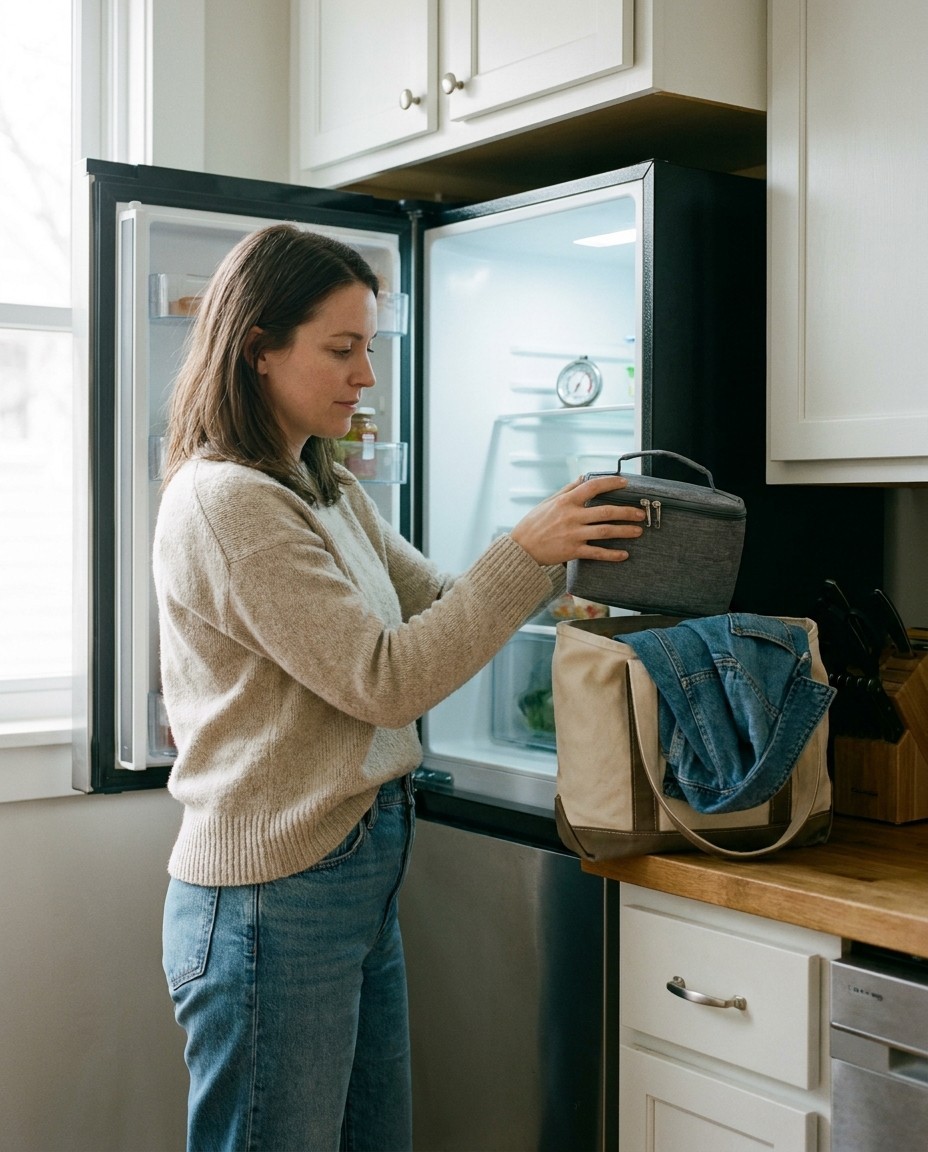
Yes, you need to refrigerate Zepbound before you start using it. If needed, you can keep it at room temperature for a while, but don’t ignore the limits.
Why refrigeration is recommended for Zepbound
Zepbound contains tirzepatide, a dual GLP-1 (glucagon-like peptide-1) and GIP receptor agonist. In practical terms, it works on two appetite-regulating hormones instead of one, helping you feel full longer and supporting weight loss. Originally approved for type 2 diabetes, tirzepatide is a protein-based medication that is sensitive to temperature changes, much like insulin. Heat or swings in temperature break it down.
Think of it like milk: leave it out too long, and it’s just not the same.
When you store it in the fridge between 36°F and 46°F (2°C and 8°C), it stays stable and effective. This protects the medicine from degrading, as confirmed by the FDA-approved Zepbound Prescribing Information.
If you skip the fridge before first use, you risk the medication losing its strength, meaning it may not work as effectively.
People sometimes leave unopened pens in a warm car or on the kitchen counter. That can ruin them. The manufacturer specifies refrigeration for Zepbound for good reason.
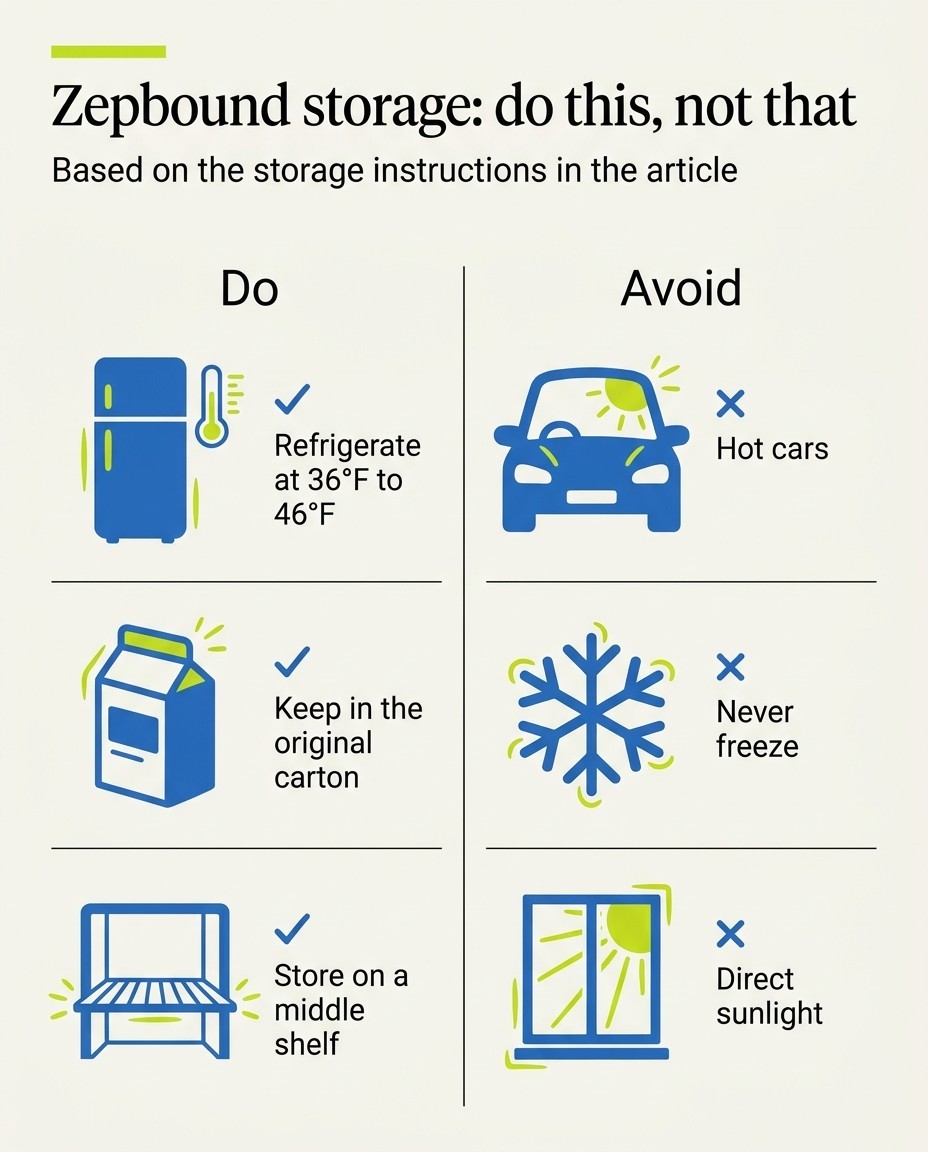
Key storage rules:

If you’re traveling with injectable medications, use an insulated bag with cooling packs. Just make sure the pen doesn’t touch ice directly.
Room temperature storage limits and conditions
If you need to, you can keep Zepbound at room temperature, but only for a set time.
A single-dose pen or vial can be stored unrefrigerated, at no more than 86°F, for up to a total of 21 days, as stated in the Zepbound Medication Guide. That’s about three weeks. A KwikPen or multi-dose vial gets up to 30 days (more on that below).
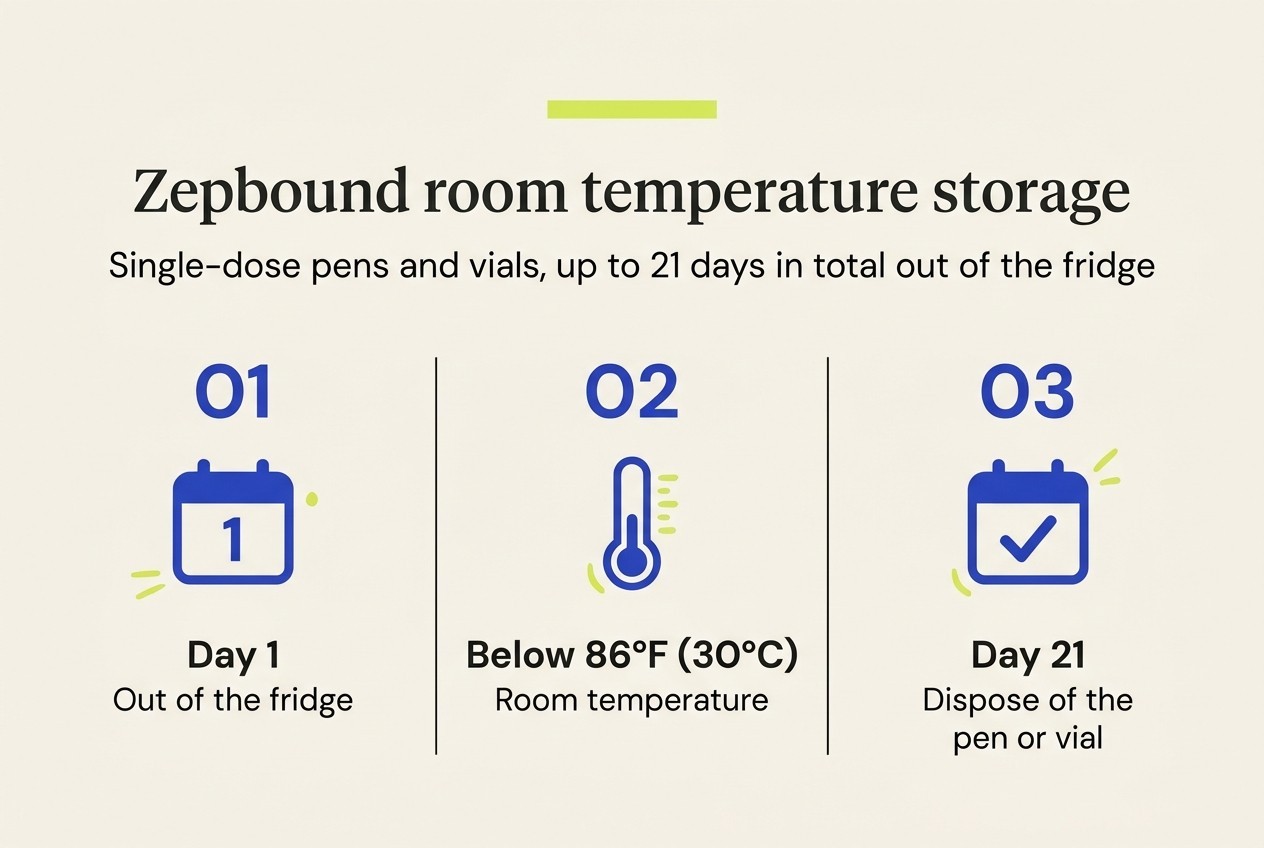
Room temperature must stay below 86°F (30°C). Most homes are fine, but if it’s a hot summer or you don’t have air conditioning, you’ll need to pay attention.
Room temperature guidelines:
Keep track of when you took your pen out of the fridge. Write the date on the carton or set a phone reminder.
After 21 days at room temperature, dispose of a single-dose pen or vial, even if there’s medicine left.
If you can pop it back in the fridge between doses, do that. It gives you a bit more peace of mind.
Impact of improper storage on effectiveness
If you leave Zepbound out too long, it can lose strength. You might not get the full dose.
Heat breaks down the active ingredient in Zepbound at a molecular level. Once that happens, the medication can’t be restored.
The pen might look fine, but inside, it’s not doing its job.

Signs your Zepbound may be compromised:
- The liquid looks cloudy or discolored.
- You see particles floating inside.
- The pen was frozen at any point.
- It was exposed to temperatures above 86°F.
- It’s been out of the fridge for more than 21 days (single-dose pens and vials) or 30 days (KwikPen and multi-dose vials).
If any of these are true, don’t use that pen. Contact your prescriber or pharmacist for advice on getting a replacement. If you’ve already injected from a pen you suspect may have been stored incorrectly, don’t panic, but do contact your doctor for guidance. They can assess whether you need a replacement dose.
Some people wonder if they’ll notice if their medication’s gone bad. Degraded Zepbound often looks completely normal.
You might not realize until your blood sugar rises or your weight loss progress stalls.
Temperatures inside a parked car can exceed 122°F (50°C) in summer, well above Zepbound’s 86°F limit.
Always check the liquid before injecting. It should look clear and colorless. When in doubt, throw it out. Yes, these pens are expensive, but it’s not worth the risk.
How to store different Zepbound products
Zepbound comes as single-dose pens and vials, plus a single-patient-use KwikPen and a multi-dose vial. They have different room temperature limits, and moving between fridge and room temperature takes a little attention.
Storing unopened Zepbound pens and vials
Keep unopened Zepbound in the fridge at 36°F to 46°F. That’s the usual household fridge range.
Keep unopened pens in their original box. It protects from light and helps you track expiration dates.
Store them on a middle shelf, not in the door where temperatures jump around.
Never freeze Zepbound. If it accidentally freezes, throw it away. Freezing ruins the medication, even if it thaws.
Check the expiration date before use. Unopened pens stay good until that date if you keep them cold.
If you’re planning a trip, a single-dose pen or vial can handle room temperature (below 86°F) for up to 21 days in total. An unopened KwikPen or multi-dose vial can be kept at room temperature for up to 30 days. Still, refrigeration is safer if you can manage it.
Guidelines for Zepbound KwikPen and multi-dose vial
Once you start using a KwikPen or multi-dose vial, you can keep it in the fridge or at room temperature (just keep it under 86°F), in its original carton.
The Zepbound KwikPen and multi-dose vial are good for 30 days after first use. Mark the date you first use it right on the label. Throw it away after 30 days, or after four weekly doses, even if there’s medicine left.
Storage options for in-use KwikPens and multi-dose vials:
KwikPen needles are sold separately. After each injection, take the needle off your KwikPen and put it in a sharps container rather than storing the pen with the needle attached. Single-dose pens are used once and then thrown away.
Multi-dose vials follow the same 30-day rule and temperature guidelines. Use a new syringe and needle every time you draw a dose. Single-dose vials are used once, and any unused portion is discarded.
Moving between fridge and room temperature
You don’t have to keep your Zepbound pen in just one spot. Moving it between the fridge and room temperature is fine.
Some people prefer to inject at room temperature because cold injections sting more. That’s safe as long as you stay within the room temperature limit for your product and keep it under 86°F.
If you take your pen out for an injection, let it warm up for about 30 minutes first. It makes the injection easier.
Don’t leave your pen in hot places. Avoid windowsills, cars, or anywhere with direct sunlight.
For single-dose pens and vials, every day out of the fridge counts toward the 21-day total. For a KwikPen or multi-dose vial, count 30 days from first use. Track your days carefully if you’re switching storage methods.
Traveling with Zepbound
Traveling with Zepbound isn’t impossible. It just takes a little planning. The main thing is keeping your medication at a safe temperature and having a backup plan if you can’t get to a fridge.
Safeguarding Zepbound while traveling
Always pack Zepbound in your carry-on luggage, not your checked bag. Checked bags can get far too hot or cold in cargo holds, which can ruin your medication.
Here’s what to bring:
Airlines usually allow injectable medications through security. Just be upfront about it. Security staff are used to seeing injectable treatments like insulin, diabetes medications, and weight loss injections, so you shouldn’t have any issues.
If you’re flying internationally, check the customs rules for your destination. Some countries have strict prescription drug regulations. Always declare your medication and have your prescription ready if asked.
If you’re crossing time zones, you might need to adjust when you inject. Talk to your prescriber before your trip. Small timing shifts are usually fine, but you don’t want to double dose or wait too long between injections.
Portable storage solutions and tips
For short trips, your pen can stay at room temperature within its time limit (21 days in total for single-dose pens and vials). For longer trips or hot destinations, you’ll need an insulated medication bag with cooling packs. Medical-grade cooler bags keep medications at the right temperature without freezing them. Most pharmacies stock them.
Important temperature rules:
| Condition | Guidance |
|---|---|
| Refrigerated (unopened) | 36°F to 46°F, until expiration date |
| Room temperature | Below 86°F, up to 21 days in total (single-dose pens and vials) or 30 days (KwikPen and multi-dose vial) |
| Freezing | Never. Dispose of pen if frozen |
| Direct sunlight or hot cars | Never. Can exceed safe limits quickly |
Hotel mini-fridges usually work for overnight storage. Just check that the setting isn’t too cold. If your hotel doesn’t have a fridge, your insulated bag should be fine.
Bring a portable sharps container for used needles. Some hotels and airports have medical waste bins, but it’s easier to have your own until you can dispose of them properly.
Essential safety considerations
Proper Zepbound storage keeps your medication safe, but knowing what can ruin it and how to spot problems matters just as much.
Never freeze Zepbound
Freezing destroys tirzepatide, the active ingredient in Zepbound. If it freezes, the medication is ruined, even if it thaws out completely.
If you’re storing Zepbound in a fridge, keep it away from the back wall where it can get too cold. Some fridges have cold spots that can freeze things without warning.
What to watch for:
- Ice crystals in the pen window
- Cloudy or discolored liquid after being cold
- The pen feels frozen to the touch
If you notice any of these signs, do not use the pen. Contact your pharmacist for a replacement.
When traveling with Zepbound, don’t put it directly against ice packs. Use a small towel or cloth as a barrier. That keeps it cool without risking freezing.
Signs your Zepbound has spoiled
Look at your pen before each injection. Damaged or spoiled medication isn’t safe.
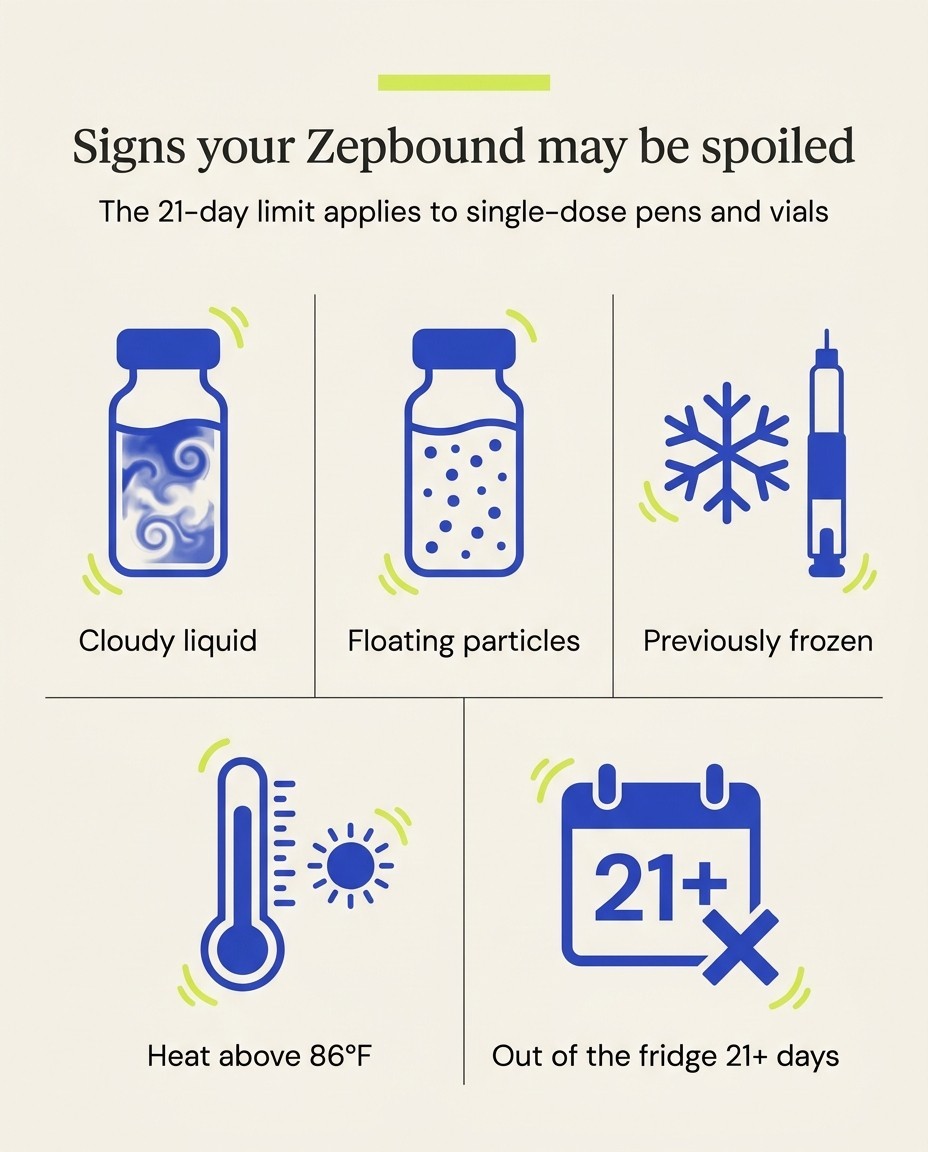
Check these before using Zepbound:
Heat and time are the biggest culprits for spoilage. If your pen’s been out at room temperature for more than 21 days or got hotter than 86°F, it might not work, even if it looks okay.
Disposal of expired or damaged pens
Don’t toss Zepbound pens in your regular trash. These pens have needles and leftover medication, so they need special handling.
Disposal rules vary by state and community, and not every pharmacy takes back used pens. Ask your pharmacist or health care provider whether they accept sharps containers or know of a drop-off program nearby. You can also ask your drug manufacturer whether it provides containers at no cost.
Safe disposal steps:
If you can’t get your hands on a sharps container, use a thick plastic bottle with a screw-on lid for now. Make sure you label it, and stash it somewhere children and pets can’t reach.
Not sure where to take your medical waste? Read the FDA’s dos and don’ts of sharps disposal or contact your local trash service or public health department to find your nearest disposal option.
The bottom line
Zepbound needs refrigeration before first use (36°F to 46°F, or 2°C to 8°C). A single-dose pen or vial can be stored at room temperature (below 86°F, or 30°C) for up to 21 days in total, and a KwikPen or multi-dose vial for up to 30 days. Never freeze it, keep it away from direct sunlight and heat, and always check the liquid is clear and colorless before injecting. If you’re traveling, an insulated bag with cooling packs will keep your medication safe. When in doubt about whether your pen is still good, speak to your pharmacist. It’s not worth the risk.
Frequently asked questions
Can I leave Zepbound out of the fridge overnight?
Yes, an overnight period at room temperature won’t harm your Zepbound as long as the temperature stays below 86°F. If you accidentally left it out, check that your room wasn’t unusually warm and continue using it as normal.
What happens if Zepbound gets warm?
Brief exposure to warmth below 86°F is unlikely to cause problems, but prolonged heat above 86°F can break down tirzepatide. If your pen was left in a hot car, near a radiator, or in direct sunlight for an extended period, check that the liquid is still clear and colorless. If it looks cloudy or discolored, don’t use it.
Can I put Zepbound back in the fridge after taking it out?
Yes, you can move your Zepbound pen between the fridge and room temperature without any issues. Many people take their pen out about 30 minutes before injecting for a more comfortable injection. Just keep counting the days it spends out of the fridge toward your limit (21 days in total for a single-dose pen or vial, 30 days for a KwikPen or multi-dose vial).
How long can Zepbound be unrefrigerated?
A single-dose pen or vial can be unrefrigerated (below 86°F) for up to 21 days in total. An unopened KwikPen or multi-dose vial can be kept at room temperature for up to 30 days, and an opened one should be thrown away 30 days after first use or after four weekly doses. After that, dispose of it even if there is medication remaining. The days add up, so count every day your pen or vial has spent out of the fridge.
Does Zepbound go bad if not refrigerated?
Zepbound won’t necessarily go bad immediately, but it will gradually lose effectiveness over time, especially in warm conditions. The time limits on the label exist because the medication’s stability can’t be guaranteed beyond that point. Always check the liquid before injecting — it should be clear and colorless with no particles.
What is Zepbound used for?
Mounjaro (tirzepatide) is prescribed for managing type 2 diabetes. For weight management, the same medication is sold as Zepbound. It works on two appetite-regulating hormones, GLP-1 and GIP, to help reduce hunger and slow gastric emptying. As a protein-based treatment, it requires careful storage to maintain its effectiveness.
Can I travel abroad with Zepbound?
Yes. Pack it in your carry-on bag, bring your prescription and a doctor’s note, and use an insulated bag with cooling packs. Check your destination country’s rules on importing prescription medications, and if you’re crossing time zones, speak to your prescriber about adjusting your injection schedule. See the traveling section above for full details.
What should I do if my Zepbound freezes?
Dispose of it immediately, even if it thaws completely and looks normal. Freezing destroys the tirzepatide molecules and the medication won’t work properly. To prevent accidental freezing, store pens on a middle fridge shelf away from the back wall, and when traveling, use a cloth barrier between your pen and any ice packs.
How do I dispose of used Zepbound pens?
Place used pens in an FDA-cleared sharps container right away, and follow your community’s rules for getting rid of the full container. Disposal options vary by state, so ask your pharmacist or health care provider whether they take sharps or know of a nearby program. If you don’t have a sharps container, use a heavy-duty plastic bottle with a screw-on lid as a temporary measure. Never put loose pens or needles in the trash, flush them or recycle them. Read the FDA’s dos and don’ts of sharps disposal or contact your local trash service or public health department for your nearest disposal option.
This article is for information only and doesn’t replace medical advice. Always speak to your doctor or prescriber before making changes to how you store or use your medication.
Sources:
-
Zepbound Prescribing Information – DailyMed, National Library of Medicine
-
Zepbound Medication Guide – DailyMed, National Library of Medicine
-
Unused syringes – Transportation Security Administration
-
DOs and DON’Ts of Proper Sharps Disposal – U.S. Food and Drug Administration