
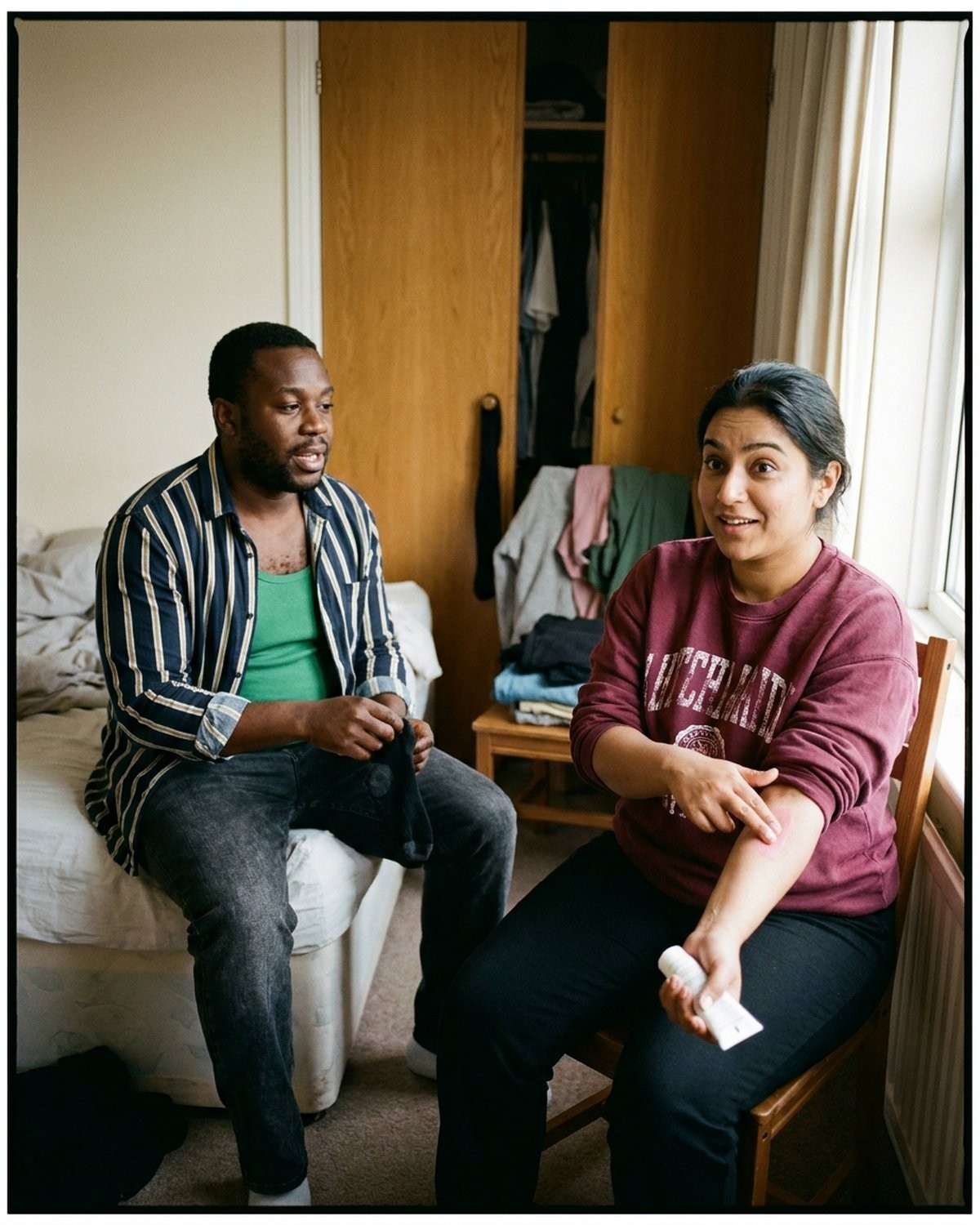
Tirzepatide (Zepbound for weight management, Mounjaro for type 2 diabetes) has helped thousands of people manage their weight and blood sugar levels. Like any medication, though, it can surprise you with side effects.
One side effect worth knowing about is skin sensitivity.

Most skin sensitivity with Zepbound is mild — injection site redness, itching, or tenderness that clears up within a few days. Knowing what’s normal helps you tell the difference between expected reactions and signs that need medical attention.
Skin sensitivity with Zepbound can show up as mild reactions at the injection site or, less commonly, more serious hypersensitivity.
Always speak to your doctor or prescriber before starting Zepbound or any weight loss medication.
We put this guide together to help you figure out what’s normal, what’s not, and how to handle skin reactions.
Key takeaways

Understanding Zepbound skin sensitivity
Zepbound can cause skin reactions, from mild irritation at the injection spot to more widespread sensitivity. Some people experience nerve-related symptoms like allodynia, where regular touch feels painful.
What is skin sensitivity and allodynia?
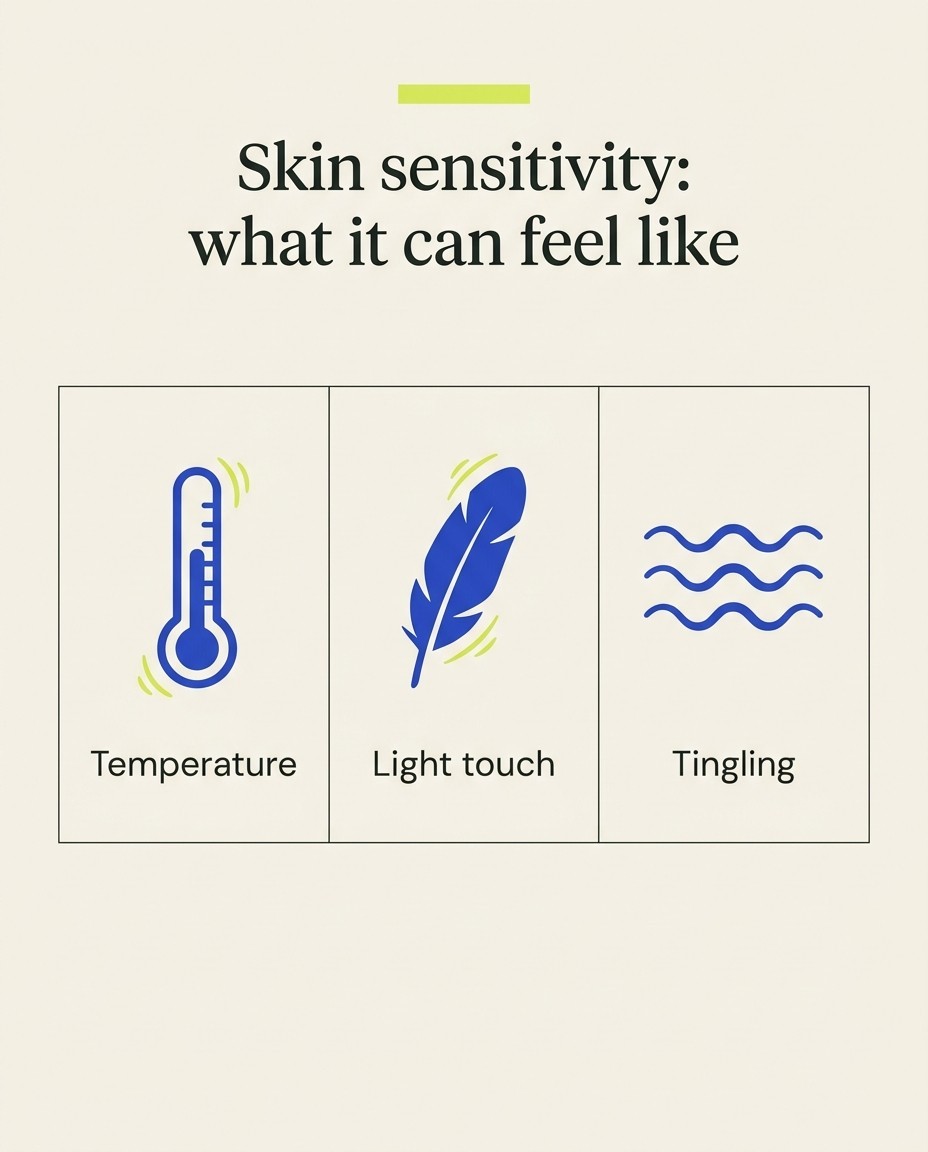
Skin sensitivity means your skin reacts more than usual to touch, pressure, or temperature. It might feel tender, tingly, or just uncomfortable.
Allodynia is when things that shouldn’t hurt actually do. A soft shirt or a gentle touch might cause sharp or burning pain.
This isn’t the same as regular sensitive skin from dryness. Here, your nerves misinterpret harmless sensations as pain.
Your nervous system gets a little too jumpy. Some people on Zepbound notice these symptoms, though why it happens isn’t totally clear.
Why does Zepbound cause skin reactions?
Tirzepatide (the active ingredient in Zepbound) is a dual GLP-1 and GIP receptor agonist, meaning it works on two appetite-regulating hormones instead of one. Tirzepatide was approved by the FDA as Mounjaro for type 2 diabetes in May 2022 and as Zepbound for obesity in November 2023.
Most skin reactions crop up right where you inject. Injection-site reactions happened a bit more often in trials, similar to other GLP-1 receptor agonists.
Common reactions include:
- Redness or swelling at the injection spot
- Itching or mild pain
- Small lumps under the skin
- Bruising
Serious reactions like hypersensitivity can happen, but they’re rare. Sometimes, people report delayed allergic responses with GLP-1 medications.
The link with GLP-1 medications and nerve sensitivity
GLP-1 (glucagon-like peptide-1) receptor agonists, including Mounjaro, Wegovy, and Zepbound, work in similar ways. They help your body process glucose and control appetite.
But they also interact with your nervous system, and we’re still learning how.
Researchers think these medications might affect nerve signaling. GLP-1 receptors show up throughout your body, including in nerves. When tirzepatide activates them, it might change how you feel pain.
Rapid weight loss could matter too. As your body changes, your nerves might need time to catch up. Less fat means pressure shifts, which can change skin sensations.
We don’t really have solid numbers on how often nerve sensitivity happens with Zepbound compared to other medications. Most information comes from individual reports, not large studies.
Common skin side effects and allergic reactions
Zepbound can trigger a range of skin reactions, from mild redness at the injection site to rashes and swelling.
Injection site irritation and localized symptoms
Most skin complaints with Zepbound happen right where the needle goes in. You might see redness, swelling, or a tiny lump that feels sore.
Some people say it stings or burns for a few hours after injecting. Others get itching that can be quite persistent. Usually, these clear up in a few days.

These injection site reactions are usually normal and settle within a few days:
- Mild redness or pinkness around the injection area
- A small bump or slight swelling
- Tenderness when you touch the area
- Itching that comes and goes
- Minor bruising
Monitor these at home. They typically improve without treatment.
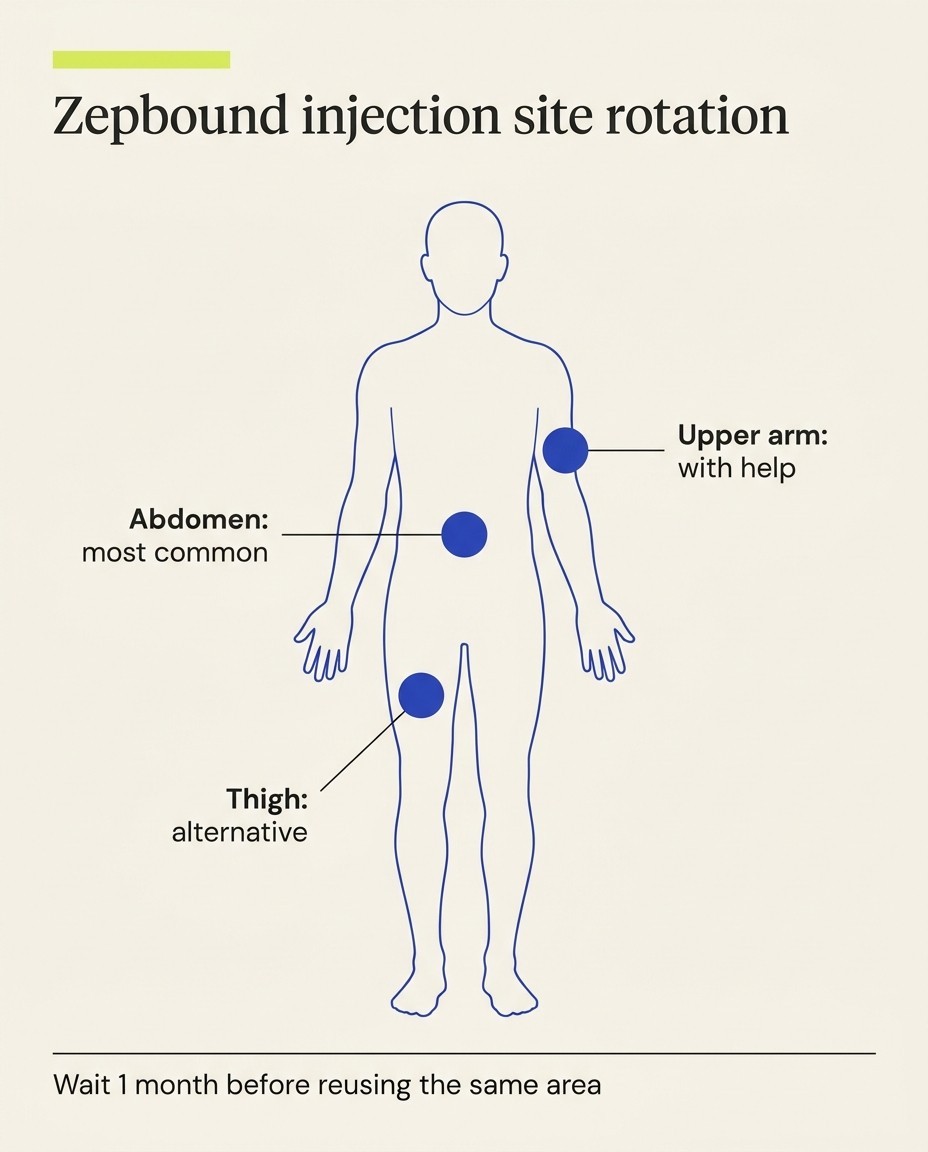
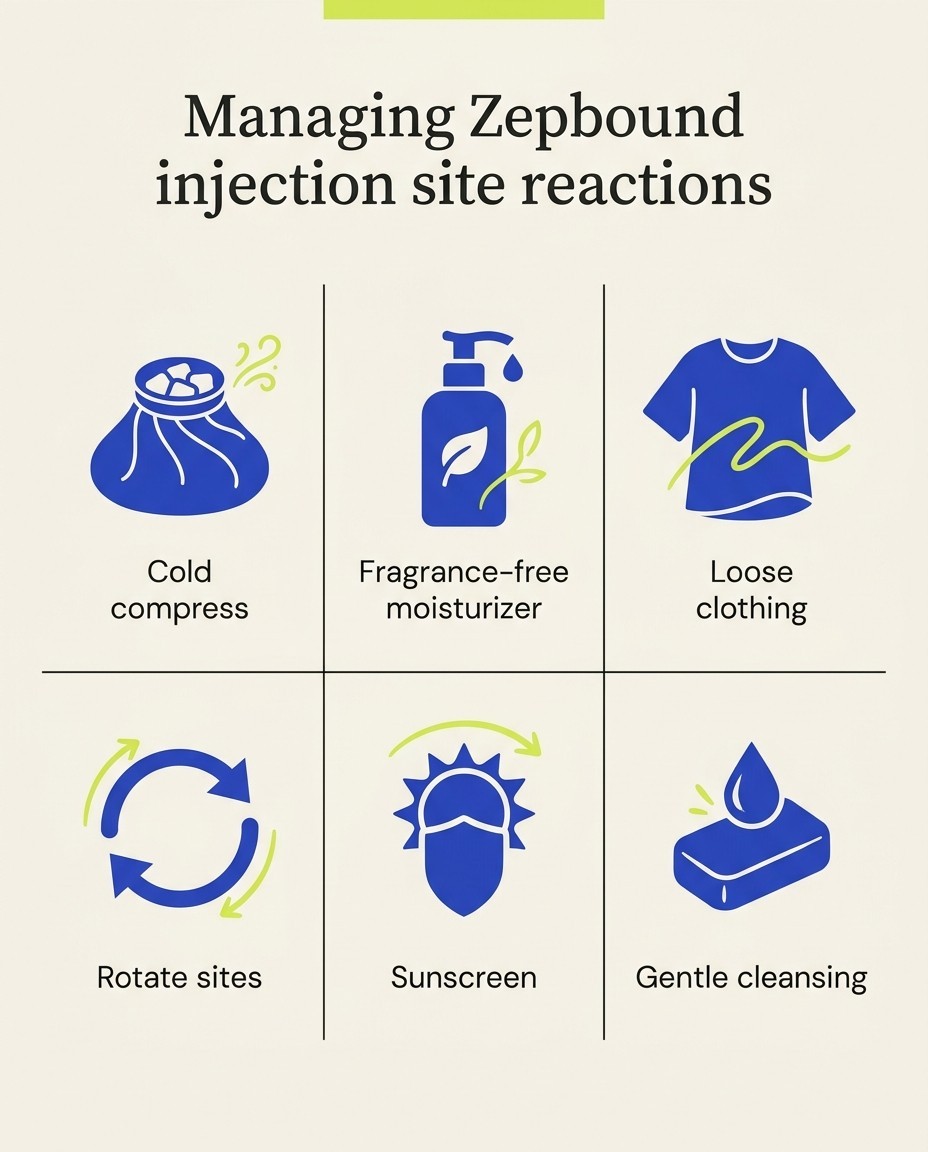
Rotating injection sites each week really helps. If you keep injecting in the same spot, the skin can get more sensitive.
Generalized rashes and hypersensitivity
Sometimes, the reaction spreads. There are reports of rashes appearing across the body, red itchy patches that can spread fast.
Hypersensitivity reactions to GLP-1 medications sometimes show up as urticaria, the medical term for hives. These are raised, itchy welts on the skin that can appear anywhere on your body and often move around.
Angioedema is a deeper swelling beneath the skin, often affecting the face, lips, tongue, or throat. Unlike hives on the surface, this swelling happens in deeper tissue and can be dangerous if it affects your airways.
Some people notice their eczema or psoriasis flares up with Zepbound. We don’t really know why, but immune or metabolic changes could be at play.
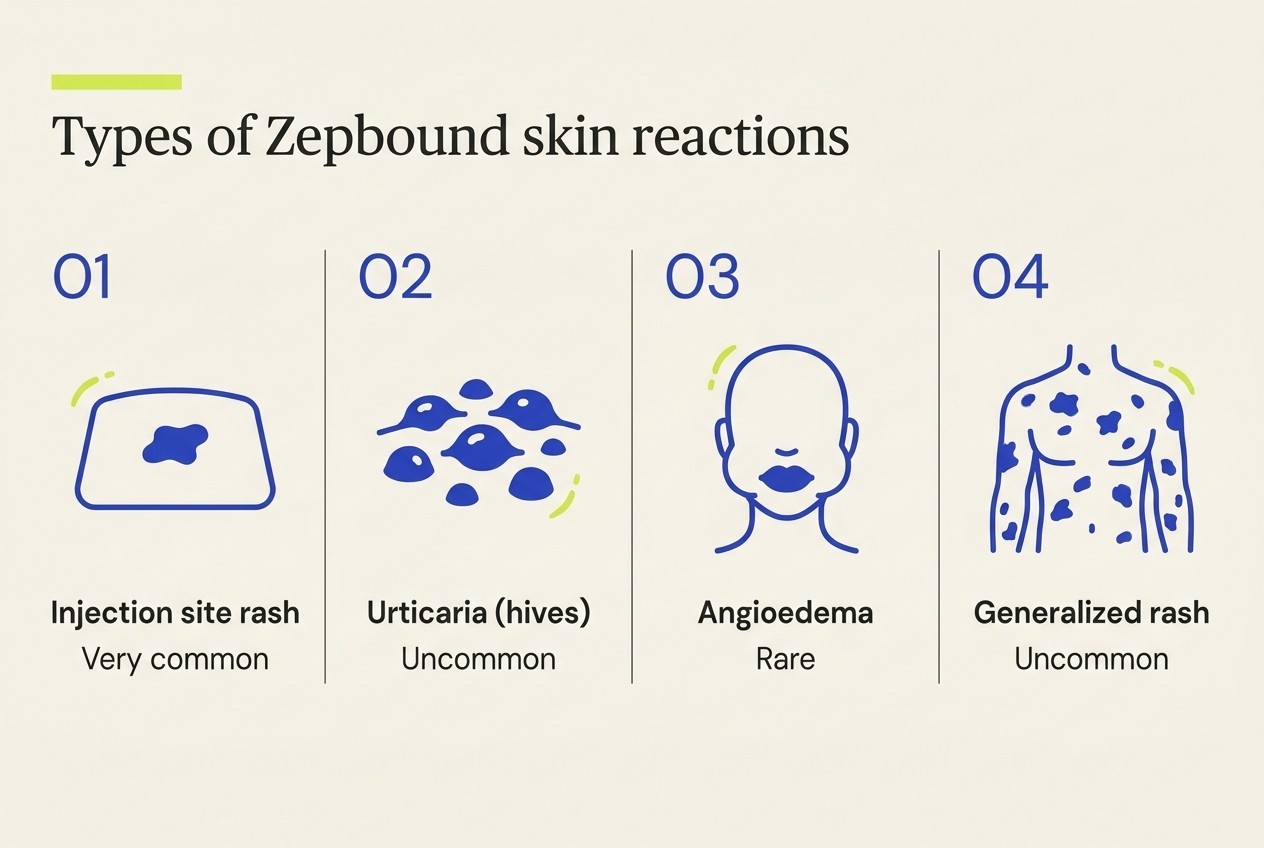
Types of skin reactions:
| Reaction type | What it looks like | How common |
|---|---|---|
| Injection site rash | Red, itchy patch around injection area | Very common |
| Urticaria (hives) | Raised welts that move around | Uncommon |
| Angioedema | Deep swelling, especially face/lips | Rare |
| Generalized rash | Red, itchy patches across body | Uncommon |
Risk factors and underlying skin conditions
Not everyone reacts the same to Zepbound. If you’ve had allergic reactions to other medications, especially GLP-1 drugs like Ozempic or Trulicity, your risk goes up.
People with skin conditions like eczema or psoriasis need to watch closely. These might get worse on Zepbound.
Your usual skin care habits matter too. If your skin’s already dry or sensitive, injection reactions can feel worse and take longer to heal.
Diabetic neuropathy (nerve damage caused by long-term high blood sugar) or peripheral neuropathy (nerve damage affecting the hands and feet) can muddy the waters. Altered skin sensation makes it tough to tell if you’re reacting to the injection or dealing with nerve pain.
Before starting Zepbound, your prescriber will carry out a clinical assessment to check whether the medication is suitable for you. This includes reviewing your medical history, any allergies, and current medications. Zepbound is not suitable if you have a known allergy to tirzepatide or any of its ingredients. It’s also not recommended for people with certain thyroid conditions, including a personal or family history of medullary thyroid carcinoma (a rare thyroid cancer) or Multiple Endocrine Neoplasia syndrome type 2 (MEN2).
Recognizing severe allergic reactions
Most skin reactions are mild, but sometimes things get serious. Anaphylaxis is rare with Zepbound, but it can happen.
A biphasic anaphylactic reaction, where symptoms return hours after the initial reaction seems to have settled, can catch you off guard. This is why doctors sometimes monitor you even after symptoms improve.
Analysis of allergic reactions to anti-obesity medications shows that severe reactions are uncommon but not impossible. Some people get a fever with their skin symptoms, which can be a red flag for a bigger immune response.

Seek immediate medical help if you experience:
- Swelling of lips, tongue, or throat
- Trouble breathing or wheezing
- Dizziness or feeling faint
- Sudden, widespread hives
- Fever with skin rash
- Rapidly worsening symptoms
Call 911 for suspected allergic reactions or anaphylaxis.
Don’t wait it out if symptoms are severe. It’s always safer to get checked, even if it turns out to be nothing.
Factors influencing skin sensitivity with Zepbound
How you inject, how fast you lose weight, and your blood sugar control all play a part in how your skin reacts. These factors overlap, so knowing each one helps you spot patterns and avoid irritation.
Injection technique and site rotation
Getting your injection technique right really matters. Use a fresh, sterile needle every time and clean the area with an alcohol wipe before injecting.
Here’s what helps:

Room temperature medication stings less. Take your pen out of the fridge 30 minutes before injecting.
Rapid weight loss and nutritional impact
Zepbound can cause dramatic weight loss, especially early on. That’s often the goal, but losing weight quickly can make your skin heal slower and get irritated more easily.
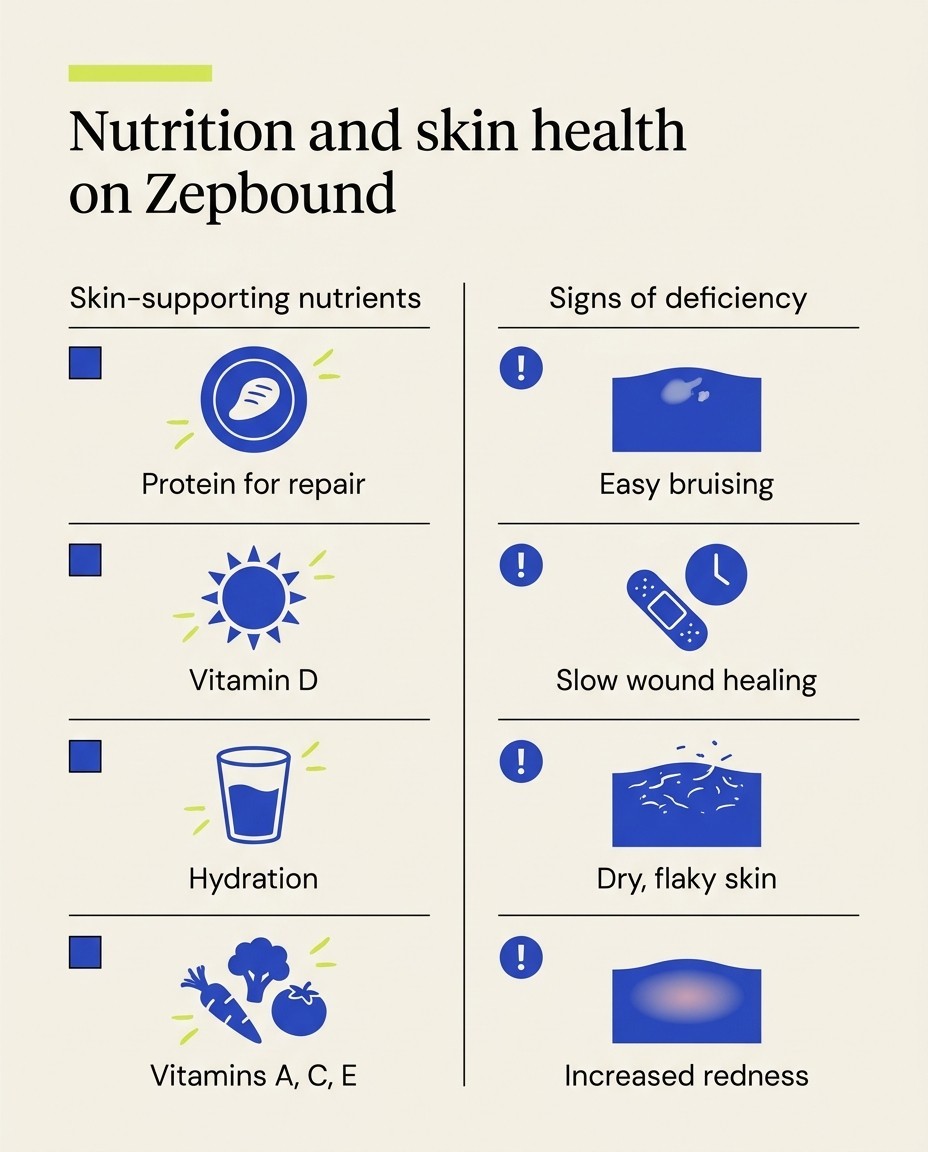
Eating less means you might miss out on protein, vitamin D, and other nutrients your skin needs. That makes you more likely to bruise or get sensitive skin at injection spots.
Signs your nutrition might be affecting your skin:
- Bruising more easily at injection sites
- Minor wounds healing slowly
- Dry, flaky skin near injections
- More redness or itching
The CDC notes that daily water needs vary with age, sex, pregnancy status, activity level and breastfeeding status, but during active weight loss on Zepbound, aim for at least 68 fluid ounces (about 8½ cups) of water daily. Protein is also important for skin repair. During active weight loss, aim for 0.45–0.55g per pound of body weight daily. For someone weighing 180 pounds, this means roughly 80–100g of protein daily.
It’s a good idea to check in with your doctor or a dietitian to make sure you’re getting enough nutrients. Sometimes, a supplement makes a big difference.
Blood sugar levels and nerve health
Blood sugar swings can affect skin sensitivity in ways that aren’t always obvious. When your blood sugar jumps around, your nerves can become more reactive, making injections feel worse. This is particularly relevant for people managing diabetes-related complications like neuropathy, where nerve damage from long-term high blood sugar can overlap with and amplify injection site sensitivity.
Low blood sugar can make your whole skin feel tingly or hypersensitive, not just at injection sites. Trials found people with stable blood sugar reported fewer skin issues.
If you have frequent abdominal pain, vomiting, or other symptoms alongside skin sensitivity, check your blood sugar patterns with your healthcare team. Sometimes, people need nerve pain medications like gabapentin or pregabalin (prescription drugs that calm overactive nerve signals) for nerve-related symptoms, but that’s usually for severe cases.
Watch for warning signs like persistent heartburn, severe upper abdominal pain (especially after eating fatty foods), or yellowing of the skin or eyes, which could point to gallbladder problems. These are uncommon but need prompt medical attention.
Effective ways to manage and prevent Zepbound skin sensitivity
Most skin reactions from Zepbound are mild and you can handle them at home. Knowing when to get help makes all the difference.
Skin care and comfort measures
A few simple steps make injection site reactions much easier to deal with.
Skin care tips for managing injection reactions:
Medical and over-the-counter treatments
When home comfort measures don’t cut it, a few over-the-counter options can help with skin sensitivity.
Hydrocortisone cream (0.5% to 1%) can calm stubborn redness, itching, or swelling at injection spots. Use a thin layer once or twice a day for up to a week. If you need it longer, it’s best to check with your doctor.
Antihistamines like cetirizine or loratadine help reduce itching and mild allergic reactions. If you spot hives or feel generally itchy after your injection, these can come in handy.
Some people find aloe vera gel or calamine lotion helpful for soothing irritated skin. Both are gentle and can be used alongside other treatments.
If you’re dealing with hypersensitivity reactions to Zepbound, these treatments might bring some relief while you figure out next steps with your healthcare provider.
When to consult a healthcare professional
You can’t always handle reactions at home. Sometimes, you need a doctor’s input.

See your doctor or prescriber if you notice:
- Severe redness, swelling, or pain spreading beyond the injection site
- Reactions that persist for more than a week
- Recurring reactions at different injection sites
- Skin symptoms accompanied by fever or feeling unwell
If you suddenly have trouble breathing, your face swells up, your heart races, or you break out in hives all over, get help right away — that’s an emergency (see the warning signs above).
Reactions that won’t go away after a week? Speak with your doctor or prescriber. They might suggest tweaking your injection technique or trying a different treatment.
If you’re using an online prescribing service, reach out to their clinical team if your skin keeps reacting. They can advise on next steps.
Getting reactions at different injection sites over and over? Your doctor might want to run some tests or arrange a clinical assessment to rule out an underlying allergy or sensitivity to tirzepatide itself. They can help you decide whether adjusting your injection technique, trying a different injection site rotation, or switching to an alternative medication makes the most sense for you.
If you’re taking other medications, particularly insulin or oral diabetes medications, tell your prescriber, as Zepbound can affect how these work. Zepbound may also reduce the effectiveness of oral contraceptives. Use additional barrier contraception (such as condoms) for 4 weeks after starting treatment and for 4 weeks after each dose increase.
For a full list of side effects, see the MedlinePlus tirzepatide page. You can read the full prescribing information in the Zepbound label on DailyMed.
The bottom line
Skin sensitivity with Zepbound is common but usually mild. Injection site reactions like redness, itching, and tenderness typically settle within a few days. Proper injection technique, site rotation, and simple comfort measures like cold compresses and fragrance-free moisturizers go a long way. If you notice spreading rashes, hives, or any signs of a severe allergic reaction, particularly swelling of the face, lips, or throat, or difficulty breathing, seek immediate medical help. Speak to your doctor or prescriber if skin reactions persist beyond a week or keep happening at different injection sites.
Frequently asked questions
Is skin sensitivity a common side effect of Zepbound?
Injection site reactions like redness, itching, and tenderness are among the most common side effects. More widespread skin sensitivity or allergic reactions are much less common.
How long do Zepbound injection site reactions last?
Most settle within a few days. If redness, swelling, or itching lasts longer than a week or is getting worse, contact your doctor or prescriber.
Can I take antihistamines for Zepbound skin reactions?
Yes, over-the-counter antihistamines like cetirizine or loratadine can help. If you find yourself needing them regularly after each injection, speak to your healthcare team — they may want to investigate further.
Does rotating injection sites really help with skin sensitivity?
Yes. See the injection technique and site rotation section above for detailed guidance on how to rotate effectively.
Should I stop taking Zepbound if I get a skin reaction?
Don’t stop your medication without speaking to your prescriber first. Most injection site reactions are mild and manageable. However, if you experience signs of a severe allergic reaction (see the emergency warning above), seek immediate medical help and do not take another dose until you’ve been assessed.
Can Zepbound make existing skin conditions worse?
Some people with eczema or psoriasis have reported flare-ups while taking Zepbound. If you have a pre-existing skin condition, let your prescriber know before starting treatment so they can monitor you more closely.
Is skin sensitivity related to the dose of Zepbound?
Skin reactions can occur at any dose, but some people notice more sensitivity during dose escalation, the period when your dose is being gradually increased. Side effects typically improve as your body adjusts to each dose.
When should I call 911 for a skin reaction to Zepbound?
Call 911 immediately if you experience swelling of the face, lips, tongue, or throat, difficulty breathing or wheezing, dizziness or feeling faint, or a sudden widespread rash with rapid deterioration. These could be signs of anaphylaxis.
This article is for information only and does not replace medical advice. Always speak to your doctor or prescriber before starting, stopping, or changing any weight loss medication. If you’re experiencing skin reactions that concern you, contact your healthcare team for personalized guidance.
Sources:
- Skin sensitivity with Zepbound — injection site reactions — ScienceDirect
- Analysis of allergic reactions to anti-obesity medications — ScienceDirect
- Hypersensitivity reactions to GLP-1 medications — Journal of Investigational Allergology and Clinical Immunology
- GLP-1 physiology and pharmacotherapy of obesity — Molecular Metabolism
- SURMOUNT-1 trial: Tirzepatide for weight management — New England Journal of Medicine
- Zepbound Prescribing Information — DailyMed (FDA label)
- Tirzepatide injection — MedlinePlus