
Mounjaro has become one of the most talked-about weight loss treatments lately. But with all that buzz comes a big question: does it raise your risk of thyroid cancer?

Current evidence from large human studies shows no significant increase in thyroid cancer risk for people taking GLP-1 medications like Mounjaro compared to other diabetes treatments. However, Mounjaro carries a black box warning about medullary thyroid carcinoma based on animal studies, and people with a personal or family history of this rare cancer should not use it.
Maybe you’re asking yourself if the benefits are worth it, or if you should just avoid Mounjaro altogether.
Speak to your GP or prescriber before starting any weight loss medication. Here’s what the science actually shows, who needs to be extra careful, and what to talk about with your doctor before making a decision.
Key takeaways

How Mounjaro works and its link to thyroid cancer
Mounjaro activates certain hormone receptors to help control blood sugar and curb appetite. Animal research raised concerns about thyroid tumours, but the human story looks different.
GLP-1 receptor agonists and tirzepatide explained
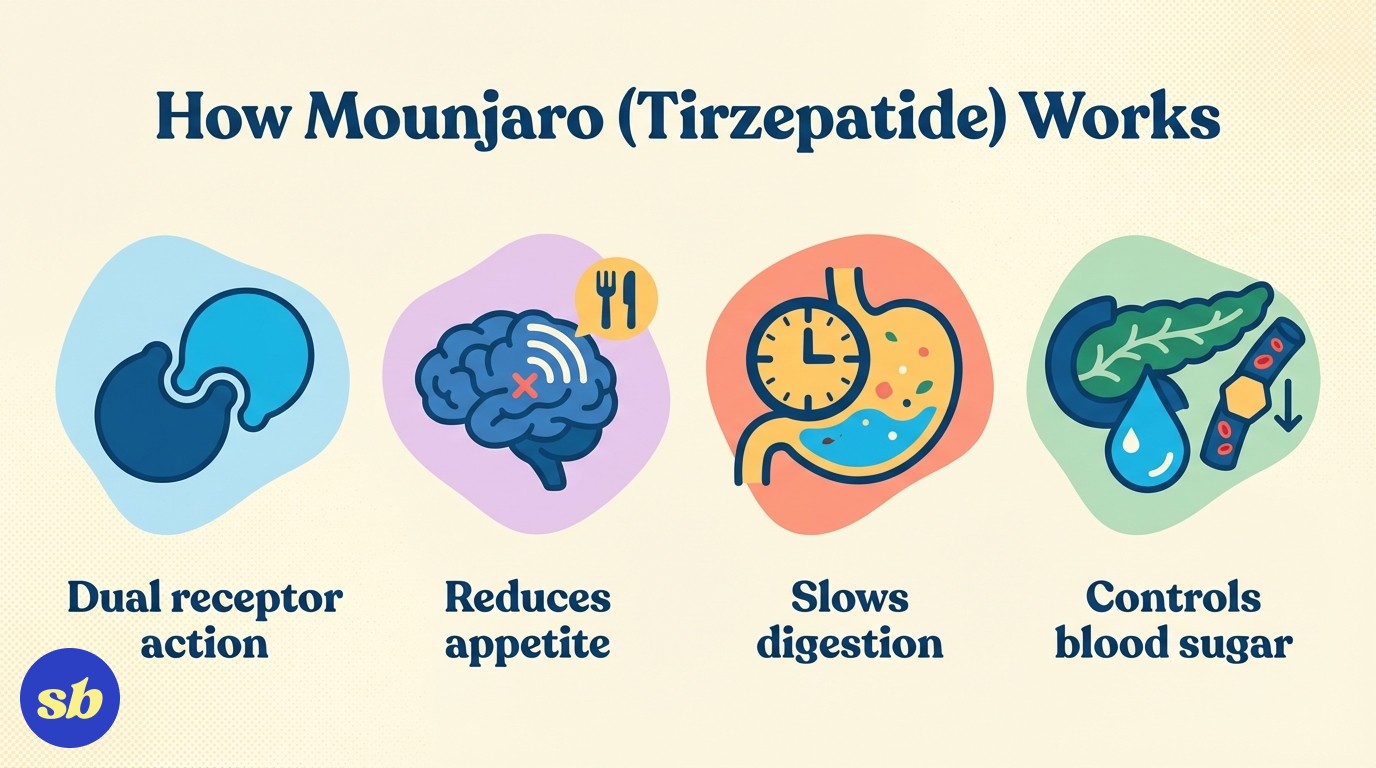
Mounjaro contains tirzepatide, a dual GLP-1 and GIP receptor agonist. It activates two hormone receptors — the glucagon-like peptide-1 receptor (GLP-1) and GIP (glucose-dependent insulinotropic polypeptide) receptor — instead of just one. This dual action helps regulate blood sugar and signals your brain to reduce hunger, which helps explain why tirzepatide has shown greater average weight loss in clinical trials compared to single-receptor medications.
You take it as a subcutaneous injection (injected just under the skin using a pre-filled pen, similar to insulin) once a week, usually in your abdomen or thigh.
Originally developed for managing type 2 diabetes, GLP-1 receptor agonists are now widely prescribed for weight loss. Because tirzepatide acts on both receptors, it’s different from pure GLP-1 drugs like semaglutide.
The medication mimics natural hormones your gut produces after you eat. Mounjaro slows how quickly food leaves your stomach, helping you feel full longer, and helps your pancreas release insulin when needed.
Animal studies versus human risk
Preclinical animal studies showed a link between GLP-1 receptor agonists and thyroid tumours in rodents. The key difference: rodents have significantly more GLP-1 receptors on their thyroid C-cells than humans do.
Rodent studies showed an association between GLP-1 receptor agonists and thyroid C-cell hyperplasia (abnormal growth of specific thyroid cells). Some researchers saw thyroid cancer rates 4.7 to 8 times higher in GLP-1 users compared to other diabetes drugs.
But recent human data tells a different story. A large study of 98,142 patients with thyroid nodules taking GLP-1 medications found something reassuring.
Compared to metformin users, there was no significant difference in thyroid cancer risk, with a risk ratio of 0.99.
The survival probability for not developing thyroid cancer was 91% in the GLP-1 group. That suggests a relatively low incidence of thyroid cancer among people treated with these medications.
FDA and regulatory warnings overview
The FDA requires black box warnings (the most serious type of safety warning the FDA can require on a medication label) on all GLP-1 receptor agonists about potential thyroid risks. These warnings are there because of what happened in animal testing, not confirmed human cases.
Don’t use Mounjaro if you or your family have a history of medullary thyroid carcinoma. The same goes for multiple endocrine neoplasia syndrome type 2 (MEN2), a rare inherited condition that significantly increases the risk of developing medullary thyroid cancer and tumours in other glands.
The FDA has advised caution when prescribing GLP-1 drugs to people at higher risk. In the UK, Mounjaro has been approved by NICE (the body that assesses treatments for the NHS), meaning it meets UK standards for safety and effectiveness, with appropriate warnings included.
The FDA Adverse Event Reporting System keeps tracking for any signals. Researchers analyse reporting odds ratios (a statistical measure comparing how often an adverse event is reported for one drug versus others) to spot safety concerns early.
Current clinical evidence doesn’t support a generalised increase in cancer risk with GLP-1 medications. The warnings remain as a precaution while longer-term studies continue.
Current evidence on Mounjaro and thyroid cancer risk
Findings from human studies
The best available human evidence doesn’t show that GLP-1 receptor agonists cause common thyroid cancers. Studies following thousands of patients over several years show reassuring patterns.
Results from large surveillance databases
The large study of 98,142 patients who developed thyroid nodules after starting GLP-1 medications covered nearly three decades of patient records.
Key findings from the database analysis found that 91% of GLP-1 users remained cancer-free during the study period.
When researchers compared GLP-1 users to metformin users, they found no significant difference in cancer risk. The risk ratio was 0.99, so outcomes were basically the same.
The metformin group had 11,898 thyroid cancer cases among 306,114 patients. That’s a higher absolute number, but a comparable rate when adjusted for group size.
Post-marketing surveillance keeps watching for adverse effects as more people use these medications. Real-world data helps us understand long-term safety better than initial trials ever could.
Key thyroid cancer types and at-risk groups
Medullary thyroid carcinoma (MTC) is the specific cancer type that raised early concerns. It’s rare, only about 3–4% of all thyroid cancers.
The FDA’s contraindication guidance exists specifically for medullary thyroid carcinoma and does not reflect a generalised cancer concern. Separate research into GLP-1 medications and other cancers, including conditions as varied as metastatic breast cancer, has generally not shown increased risk, and in some cases has suggested potential protective effects.
Common thyroid cancers like papillary and follicular types haven’t shown increased rates in GLP-1 users. Current evidence indicates no significant increase in most thyroid cancer types.
If you already have thyroid nodules, that doesn’t automatically rule out these medications. Many patients with nodules have used GLP-1 drugs safely under a doctor’s care.
Comparisons with other diabetes medications
Metformin is a helpful comparison since it’s been around for decades. We have extensive safety data on it.
The large database study found that people taking semaglutide or other GLP-1 drugs didn’t have higher thyroid cancer risk than metformin users. That suggests these medications have similar thyroid safety profiles.
| Medication type | Thyroid cancer cases | Total patients | Survival probability |
|---|---|---|---|
| GLP-1 analogues | 4,687 | 98,142 | 91.0% |
| Metformin | 11,898 | 306,114 | 94.0% |
Liraglutide has been on the market longer than newer drugs like Mounjaro or Zepbound. Its longer use gives us more long-term safety data. We haven’t seen thyroid cancer rates climb as these medications became more popular.
Benefits in cancer prevention might even exist for certain cancer types, though more research is needed. These medications don’t seem to broadly increase cancer rates.
Who should be cautious: contraindications and monitoring
Some people shouldn’t use Mounjaro at all, while others need closer monitoring. Knowing who falls into each group, and which symptoms to watch for, helps keep treatment safer.
Absolute contraindications and genetic factors
Mounjaro is completely contraindicated in people with a personal or family history of medullary thyroid carcinoma (MTC) or multiple endocrine neoplasia type 2 (MEN2). If you have MEN2, or a close relative does, Mounjaro isn’t for you.
Before starting, your prescriber should ask about your family history. They might check calcitonin levels in your blood if there’s any worry. Calcitonin is a hormone produced by the thyroid’s C-cells, the same cells that can become cancerous in MTC. Elevated calcitonin levels in a blood test can be an early indicator of a problem.
Some providers skip these questions, which is honestly concerning. Make sure whoever prescribes your medication takes a proper medical history. If they don’t ask about thyroid cancer or MEN2, that’s a red flag.
Detecting and responding to thyroid symptoms
Knowing what thyroid cancer symptoms look like matters, even though the risk isn’t proven.
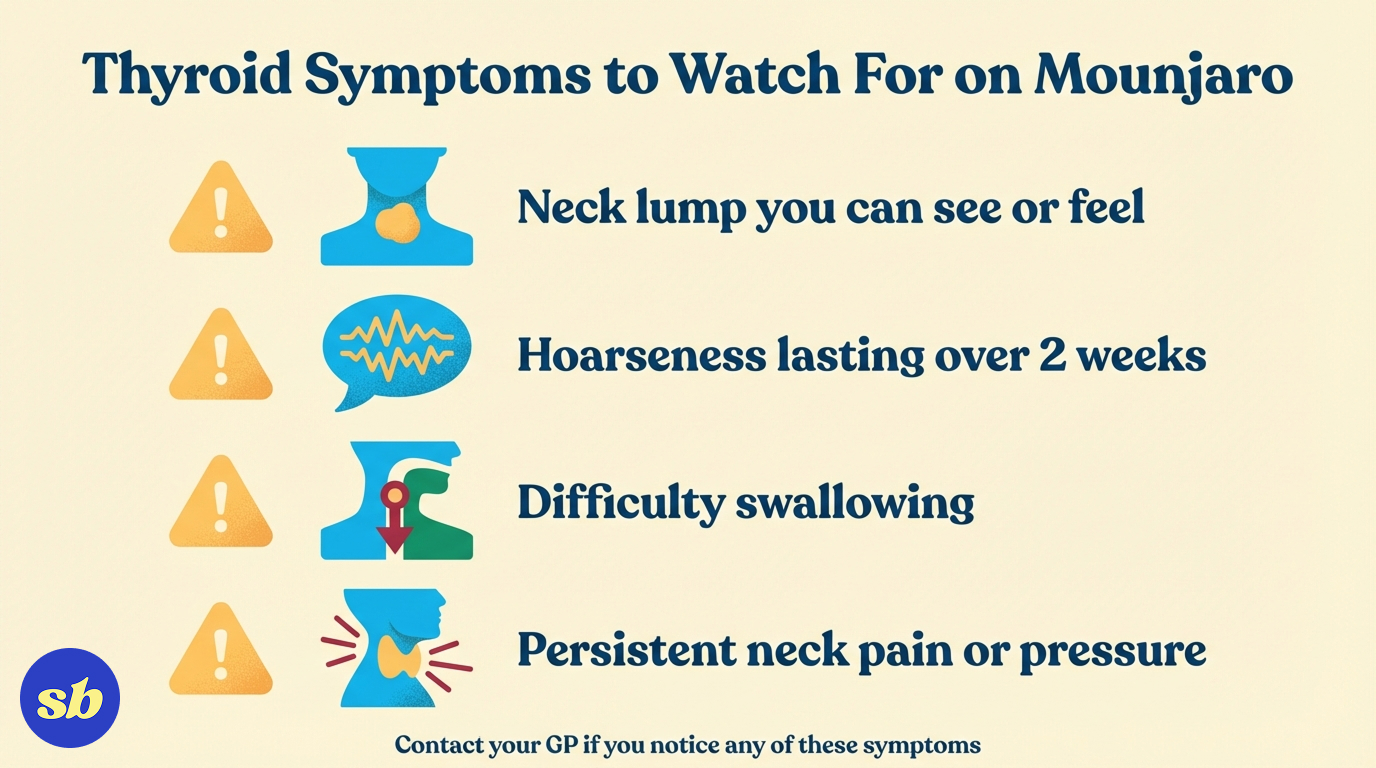

See your GP if you notice any of the following while taking Mounjaro:
- A lump in your neck, especially one you can see or feel
- Hoarseness or voice changes lasting more than two weeks
- Difficulty swallowing or a feeling of pressure in your throat
- Persistent neck pain or swollen lymph nodes
These symptoms are usually caused by something other than cancer, but they should always be checked.
If you notice any of these symptoms while taking Mounjaro, contact your GP or prescriber quickly. They’ll probably examine your neck and might order an ultrasound. Some providers offer ongoing thyroid monitoring, though it’s not standard everywhere.
Stop the medication if your doctor finds anything worrying. Your health comes first, and there are other weight loss options if Mounjaro isn’t the right fit.
Routine monitoring and shared decision-making
Regular check-ins help catch problems early. Most good providers set follow-up appointments every few months, not just to track weight loss but to watch for side effects.
Shared decision-making means talking openly about the potential thyroid cancer link, even though evidence doesn’t show a clear risk. You deserve to know what we do and don’t know about this medication.
Ask questions about monitoring plans, what symptoms to watch for, and how quickly you can reach someone if you’re worried. The best providers give you clear answers and backup support.
Some people already have thyroid nodules. These are very common and usually harmless. If you have nodules, you might need closer monitoring while taking Mounjaro. Your doctor can weigh your individual risk and decide if extra scans make sense.
Balancing benefits, side effects, and ongoing research
Mounjaro offers real help with weight loss and diabetes, but like any medication, it comes with risks that need attention. Research continues to develop around thyroid concerns, and the evidence so far can help you understand what the drug does well and when to be careful.
Metabolic advantages and weight management
Mounjaro’s dual action on GLP-1 and GIP receptors makes it especially effective for people living with obesity or managing type 2 diabetes, providing a pharmacological approach alongside diet and lifestyle changes.
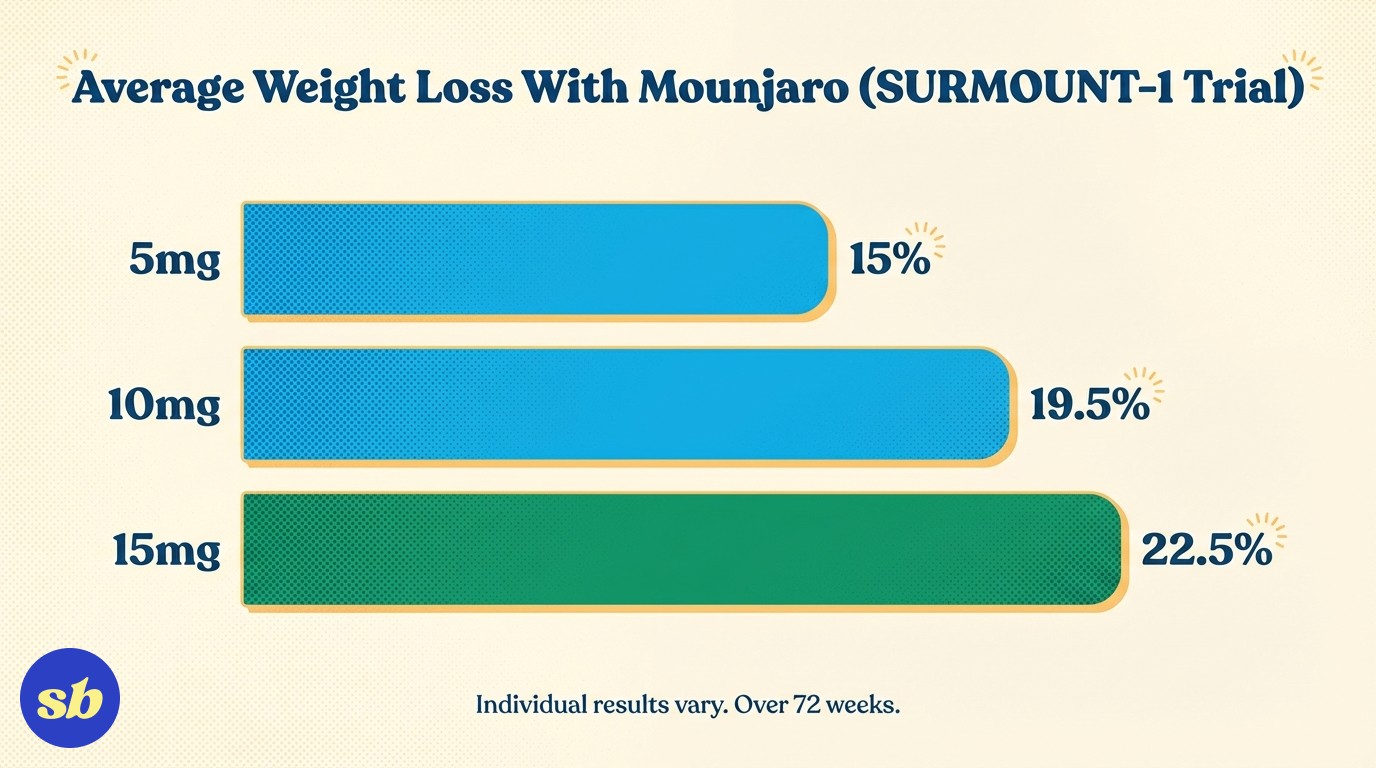
In clinical trials, people taking tirzepatide (Mounjaro) lost an average of 15–22.5% of their body weight over 72 weeks (SURMOUNT-1 trial), significantly more than diet and exercise alone. Individual results vary significantly.
Key metabolic benefits include:
-
Reduced appetite and food cravings
-
Better blood glucose levels
-
Improved insulin sensitivity
-
Lower cardiovascular risk factors
Many people report feeling genuinely satisfied with smaller meals. It’s not all about willpower; this medication changes the way your body signals hunger and fullness.
Possible adverse effects and how to manage them
Most side effects hit your digestive system first. Nausea, vomiting, and diarrhoea are common, especially when you start or bump up the dose. Roughly 1 in 4 people experience nausea, particularly during dose escalation, with rates of 18–26% in SURMOUNT trials (up to 29% at maximum doses).
Most side effects improve within 2–4 weeks as your body adjusts to each dose. Eating smaller meals and steering clear of fatty foods can make a difference.
Some people find that taking the medication at a certain time makes things easier. You might have to experiment a bit.
There are some more serious risks, though. Some patients have reported pancreatitis (inflammation of the pancreas, which causes severe abdominal pain) while taking GLP-1 medications.
If you get severe stomach pain that just won’t quit, stop taking Mounjaro straight away and seek medical attention.
Mounjaro may also reduce the effectiveness of oral contraceptives. Use additional barrier contraception (such as condoms) for 4 weeks after starting treatment and for 4 weeks after each dose increase.

Seek immediate medical help if you experience:
- Severe abdominal pain that won’t go away, especially if it radiates to your back (possible pancreatitis)
- Signs of allergic reaction: swelling of your face, lips, or throat, or difficulty breathing
- A new lump or swelling in your neck that wasn’t there before
Call 999 for suspected allergic reactions. Contact your GP urgently for persistent neck lumps, hoarseness lasting more than two weeks, or difficulty swallowing.
Studies from the FDA Adverse Event Reporting System show higher reporting rates of thyroid cancer among people taking GLP-1 receptor agonists, including Mounjaro.
The data doesn’t prove the drug causes cancer. Still, it’s something you should bring up with your doctor if you’re concerned.
Ongoing studies and safety updates
Researchers are looking into the potential link between GLP-1 medications and thyroid cancer risk. So far, the results are mixed, so we don’t have clear answers yet.
That’s the reason Mounjaro comes with a warning about medullary thyroid carcinoma, especially if you or your family have a history of it.
Long-term safety data keeps growing as more people try these medications. Long-term outcomes after five, ten, or even twenty years of use remain an important area of research.
Researchers are also examining whether GLP-1 medications might have protective effects against certain other cancers, though these findings are preliminary. The overall pattern from current research is that GLP-1 receptor agonists do not appear to broadly increase cancer risk, and for some cancer types, there may even be a reduced association. More research is needed before drawing firm conclusions.
Current research is looking at a few key things:
-
Whether thyroid cancer risk changes between different GLP-1 drugs
-
How pre-existing thyroid nodules react to these medications
-
If there’s a real trade-off between cancer prevention and possible thyroid risks
A 2025 study checked out several GLP-1 receptor agonists and didn’t find much increased risk for most cancers. Thyroid cancer, though, still needs a closer look.
If you’re using Mounjaro, get regular check-ups. Let your doctor know if you notice neck swelling, trouble swallowing, or a hoarse voice that just won’t go away.
Those little checks can really matter, especially in your first year on treatment.
The bottom line
The evidence so far is reassuring: large-scale human studies haven’t found a significant link between Mounjaro and thyroid cancer. The black box warning exists because of what happened in rodent studies, not confirmed cases in people. If you don’t have a personal or family history of medullary thyroid carcinoma or MEN2, the thyroid risk from Mounjaro appears to be very low.
That said, stay alert. Report any neck lumps, persistent hoarseness, or swallowing difficulties to your GP straight away. Keep up with regular check-ins, and make sure your prescriber takes a proper medical history before starting treatment.
Speak to your GP or prescriber if you have any concerns about thyroid cancer risk and Mounjaro. They can assess your individual situation and help you weigh the benefits against any potential risks.
Frequently asked questions
Does Mounjaro cause thyroid cancer?
Current evidence from large human studies does not show that Mounjaro causes thyroid cancer. A study of over 98,000 patients with thyroid nodules found no significant difference in thyroid cancer risk between GLP-1 medication users and metformin users (risk ratio of 0.99). The black box warning is based on animal studies in rodents, which have far more GLP-1 receptors on their thyroid cells than humans. As a precaution, people with a personal or family history of medullary thyroid carcinoma should not take Mounjaro.
What type of thyroid cancer is Mounjaro linked to?
The concern is specifically about medullary thyroid carcinoma (MTC), a rare cancer that makes up only about 3–4% of all thyroid cancers. MTC develops in the thyroid’s C-cells, which have GLP-1 receptors. Common thyroid cancers like papillary and follicular types have not shown increased rates in people taking GLP-1 medications.
Who should not take Mounjaro because of thyroid cancer risk?
Anyone with a personal or family history of medullary thyroid carcinoma (MTC) or multiple endocrine neoplasia syndrome type 2 (MEN2). Before starting Mounjaro, your prescriber should ask about your family’s thyroid cancer history and may check your calcitonin levels if there is any concern. See the ‘Absolute contraindications and genetic factors’ section above for full details.
What are the symptoms of thyroid cancer I should watch for on Mounjaro?
Key symptoms to monitor include a lump or swelling in your neck, hoarseness or voice changes lasting more than two weeks, difficulty swallowing, or a feeling of pressure in your throat. If you notice any of these while taking Mounjaro, contact your GP promptly. See the symptom checklist in the ‘Detecting and responding to thyroid symptoms’ section above.
Is Mounjaro safer than other GLP-1 medications for thyroid cancer risk?
All GLP-1 receptor agonists carry the same black box warning about medullary thyroid carcinoma, including semaglutide (Wegovy, Ozempic) and liraglutide (Saxenda). Current research has not found a significant difference in thyroid cancer risk between different GLP-1 medications.
Do I need thyroid monitoring while taking Mounjaro?
There is no standard requirement for routine thyroid screening while taking Mounjaro. Good prescribers set regular follow-up appointments (typically every few months) to track your progress and watch for side effects. If you have pre-existing thyroid nodules or other risk factors, your doctor may recommend additional monitoring such as periodic ultrasounds or calcitonin blood tests. Always report new neck lumps or voice changes promptly.
Can I take Mounjaro if I have thyroid nodules?
Having thyroid nodules does not automatically rule out Mounjaro. Thyroid nodules are very common, and most are benign and unrelated to the type of thyroid cancer (medullary) that prompted the warning. Your doctor can assess your individual risk, potentially with an ultrasound or blood tests, to determine whether Mounjaro is appropriate. You may need closer monitoring during treatment.
What is the black box warning on Mounjaro about?
The black box warning states that in rodent studies, tirzepatide caused thyroid C-cell tumours, including medullary thyroid carcinoma. It advises against using Mounjaro in people with a personal or family history of MTC or MEN2. It exists as a precaution based on animal data, not confirmed human cases. See the ‘FDA and regulatory warnings overview’ section for more detail.
How does Mounjaro’s thyroid risk compare to its weight loss benefits?
In clinical trials, tirzepatide showed 15–22.5% average body weight loss over 72 weeks (SURMOUNT-1 trial), significantly more than diet and exercise alone. The thyroid cancer risk in humans appears very low based on current evidence, with large studies showing no significant difference compared to other diabetes medications. Your prescriber can help you weigh these benefits against your individual risk factors, including thyroid history.
This article is for informational purposes only and does not replace professional medical advice. Always speak to your GP or prescriber before starting, stopping, or changing any weight loss medication. If you have concerns about thyroid cancer risk, your doctor can assess your individual circumstances and advise you accordingly.
Sources:
-
SURMOUNT-1 trial: Tirzepatide for the Treatment of Obesity – New England Journal of Medicine
-
NICE TA924: Tirzepatide for managing overweight and obesity – National Institute for Health and Care Excellence
-
Mounjaro prescribing information – Electronic Medicines Compendium
-
Mounjaro FDA label – FDA
-
Medullary thyroid cancer – American Thyroid Association
-
Thyroid cancer overview – NHS
-
Thyroid cancer reporting in GLP-1 users – Endocrinology, Diabetes & Metabolism
-
GLP-1 agonists and thyroid cancer risk analysis – JAMA Otolaryngology
-
GLP-1 receptor agonists and cancer outcomes – Annals of Internal Medicine