“Mounjaro face” has become a common topic among people taking tirzepatide for weight loss. The term describes facial changes that can happen during rapid weight loss, including hollowed cheeks, more visible wrinkles, and a generally aged appearance.

Facial volume loss isn’t caused by Mounjaro itself, but by rapid weight loss. When you lose body fat, you also lose fat from your face, which can change your appearance in ways you might not have anticipated.
For most people, these changes are a trade-off worth accepting, but understanding why they happen can help you make informed decisions.
Key takeaways

What is “Mounjaro face”?
“Mounjaro face” (sometimes called “Ozempic face” or “semaglutide face” when referring to semaglutide-based medications) describes the facial changes some people notice during significant weight loss on GLP-1 medications. GLP-1 (glucagon-like peptide-1) is a natural hormone that regulates appetite and blood sugar. Medications like Mounjaro mimic its effects, helping you feel full longer and eat less.
These facial changes can include:
-
Hollowed, sunken cheeks where facial fat has decreased
-
More visible wrinkles and fine lines as skin loses underlying support
-
Sagging skin around the jawline or under the chin
-
A more angular or gaunt appearance overall
-
Dark circles becoming more prominent as under-eye hollows deepen
These changes aren’t unique to Mounjaro or any specific medication. They’re a natural consequence of losing facial fat, which happens whenever someone loses a significant amount of body weight.
Why does facial volume loss happen?
Your face contains fat pads that provide structure and fullness. When you lose weight, you lose fat from everywhere, including these facial fat pads. The result is a face that looks different from before, sometimes dramatically so.
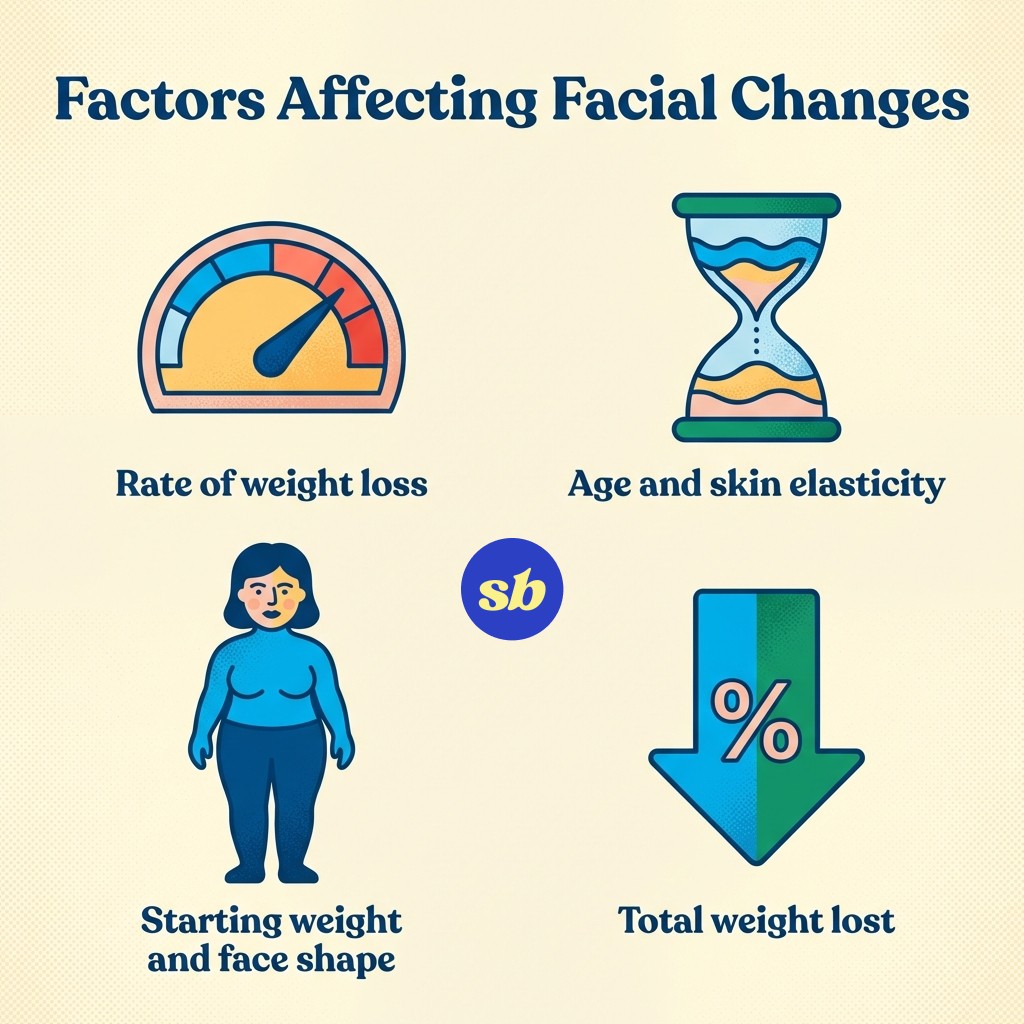
Several factors determine how noticeable facial changes are:
Rate of weight loss
Rapid weight loss tends to cause more noticeable facial changes than gradual weight loss. Mounjaro can produce significant weight loss relatively quickly, particularly in the first few months of treatment. The SURMOUNT-1 clinical trial showed average weight loss of 15–22.5% of body weight over 72 weeks, which can mean substantial changes in facial appearance.
When weight comes off quickly, skin doesn’t have time to gradually adjust. This can lead to loose skin and more pronounced volume loss compared to slower weight loss.
Age and skin elasticity
Younger skin with more collagen (the protein that gives skin its firmness and elasticity) adapts better to weight loss. As we age, our skin produces less collagen and elastin, which reduces its ability to “bounce back.” This means volume loss is more likely to result in sagging and wrinkles.
If you’re over 40 or have naturally thinner skin, you may notice facial changes more than someone younger losing the same amount of weight.
Starting weight and face shape
People who carry more weight in their face may notice more dramatic changes. Conversely, those who naturally have leaner faces may see less difference.
Genetics play a role too. Some people lose facial fat early in their weight loss journey, whilst others maintain facial volume even as they lose significant body weight.
Overall amount of weight lost
The more weight you lose, the more facial fat you’re likely to lose. Someone losing 10% of their body weight will typically see fewer facial changes than someone losing 20% or more.
Is Mounjaro causing this, or is it the weight loss?
The facial changes are caused by weight loss, not by tirzepatide itself. Any method of losing significant weight can produce similar effects, whether through medication, surgery, or lifestyle changes alone.
Mounjaro simply enables weight loss that might not otherwise have been achievable. The medication doesn’t specifically target facial fat or cause facial changes through any direct mechanism.
This is an important distinction. If you’re concerned about facial changes, the question isn’t whether to use Mounjaro specifically, but whether the overall benefits of significant weight loss outweigh the potential cosmetic changes.
Can you prevent Mounjaro face?
You can’t completely prevent facial volume loss if you’re losing significant weight, but several strategies may help reduce the impact.
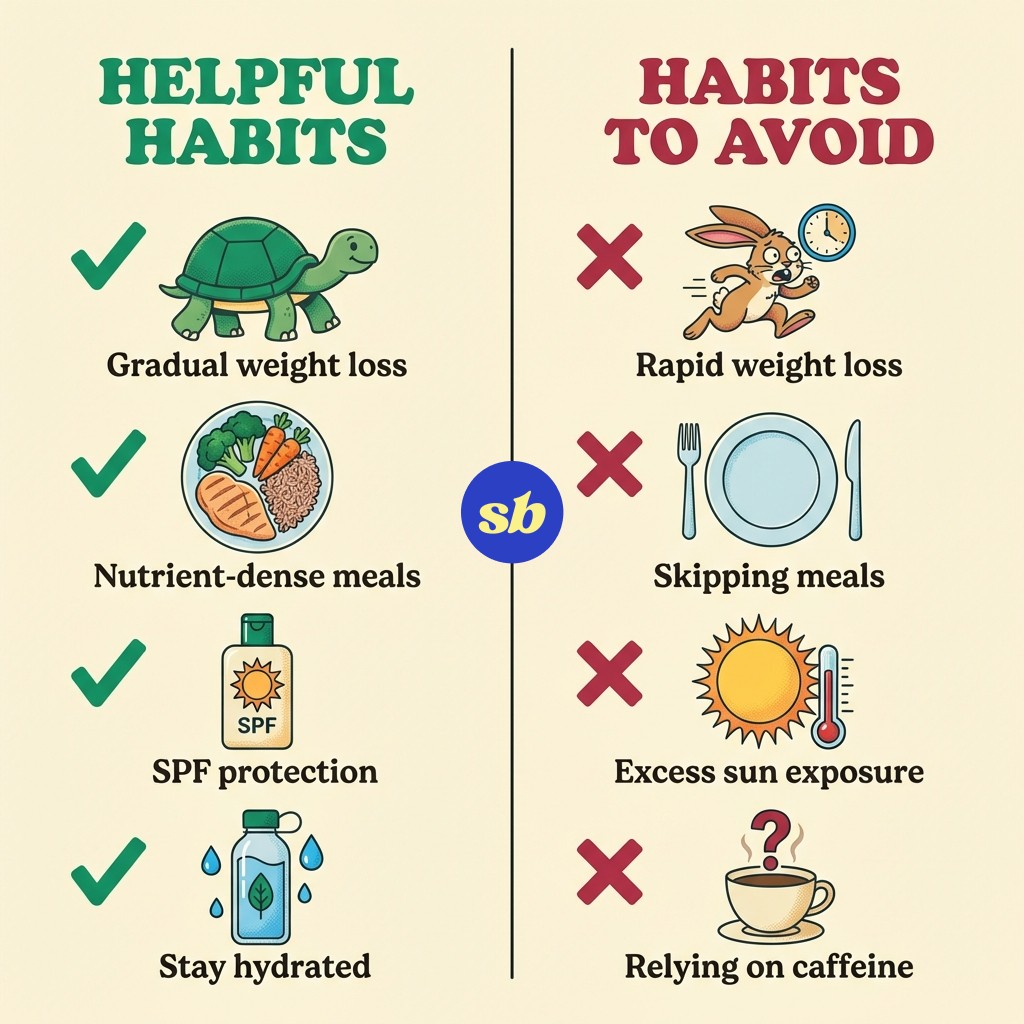
Lose weight more gradually
Slower weight loss gives your skin more time to adjust. If facial appearance is a significant concern, discuss with your prescriber whether a more gradual dose escalation might be appropriate for you.
However, this involves trade-offs. Slower weight loss means staying on treatment longer to achieve the same results, and some people find that extending the process affects their motivation.
Maintain adequate nutrition
Crash dieting or severely restricting calories alongside Mounjaro can worsen facial changes. Your skin needs adequate protein, vitamins, and hydration to maintain elasticity.
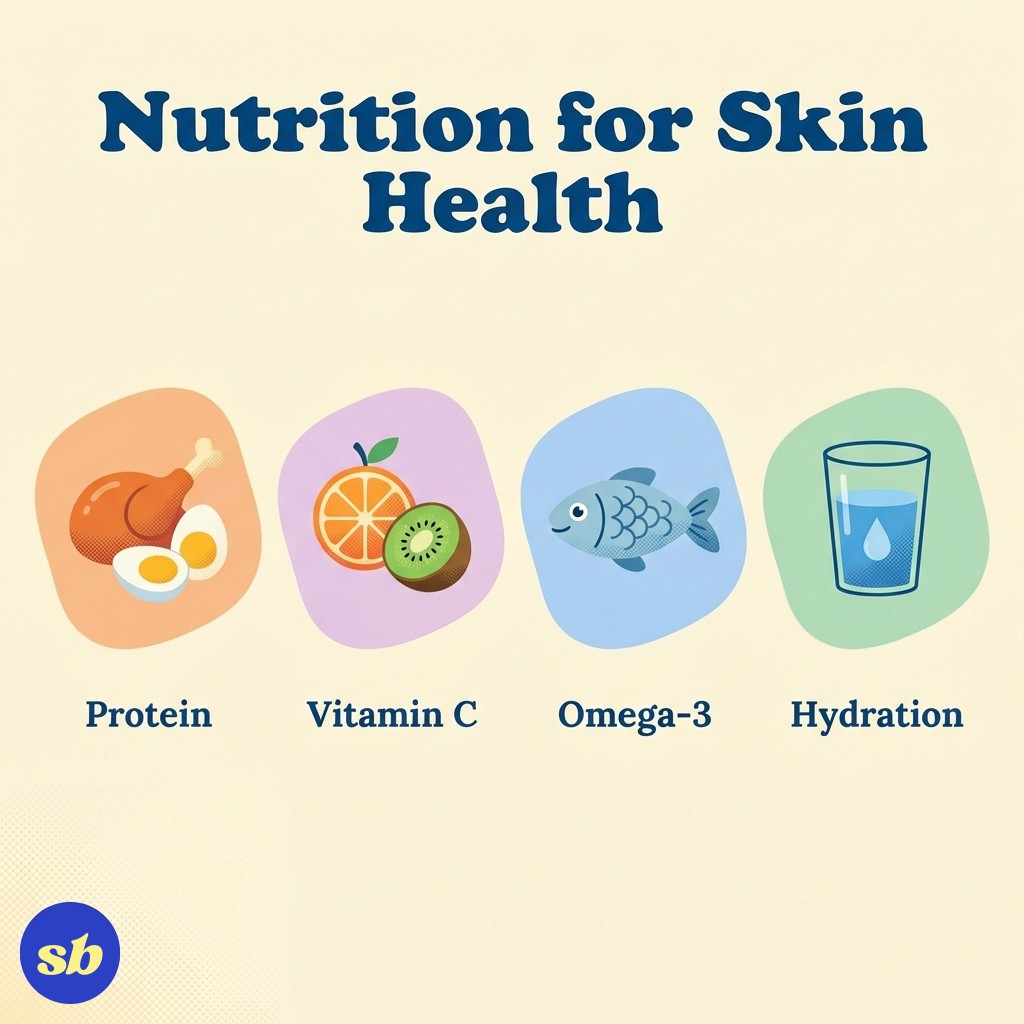

Focus on:
Even though Mounjaro reduces appetite, try to eat nutrient-dense meals rather than skipping food altogether. The NHS Eatwell Guide provides helpful guidance on balanced nutrition.
Protect your skin from sun damage
UV exposure breaks down collagen and accelerates skin ageing. Wearing SPF 30+ daily and avoiding excessive sun exposure helps preserve whatever elasticity your skin has.
This won’t prevent volume loss, but it can help your skin look healthier and more resilient during weight loss.
Consider facial exercises
Some people believe facial exercises can help maintain muscle tone in the face. The evidence for this is limited, but it’s unlikely to cause harm. Exercises that work the muscles around your cheeks and jawline may provide modest benefits.
Stay realistic about expectations
Some facial volume loss is inevitable with significant weight loss. Accepting this as a trade-off, rather than fighting against it, can help you maintain perspective on your overall health improvements.
Treatment options for facial volume loss
If facial changes are significant and bothering you, several cosmetic treatments can address volume loss. These are entirely optional and separate from your Mounjaro treatment.
Most practitioners recommend waiting until your weight has stabilised before investing in cosmetic procedures. If you’re still actively losing weight, your facial appearance will continue to change, potentially requiring additional treatments. Most practitioners recommend waiting at least 6–12 months at a stable weight before making decisions about cosmetic interventions.
Weighing up the trade-offs
For many people, facial changes are a trade-off worth accepting for the overall health benefits of weight loss. Losing significant weight can improve or resolve conditions including type 2 diabetes or prediabetes, high blood pressure, sleep apnoea, joint pain, cardiovascular risk factors, and overall energy and mobility. According to NICE guidelines on obesity management, even modest weight loss of 5–10% can produce meaningful health improvements.
These health improvements can add years to your life and significantly improve quality of life. Whether cosmetic changes outweigh these benefits is a personal decision that only you can make.
Facial changes aren’t universal. Many people lose significant weight on Mounjaro without dramatic facial changes, particularly those who lose weight more gradually or are younger.
Facial changes alongside other physical effects
Facial volume loss is part of broader body composition changes during weight loss. You might also experience:
-
Loose skin on your body, particularly abdomen, arms, and thighs
-
Hair thinning from rapid weight loss (usually temporary)
-
Increased sensitivity to cold as you lose insulating body fat
-
Changes in how clothes fit as your body shape shifts
These are all normal consequences of significant weight loss, not specific to Mounjaro. For a complete overview of what to expect, see our guide to Mounjaro side effects.
The bottom line
“Mounjaro face” describes the facial volume loss that can accompany rapid weight loss on tirzepatide. It’s caused by losing facial fat, not by the medication directly, and can happen with any method of significant weight loss.
Whilst you can’t completely prevent facial changes, maintaining good nutrition, protecting your skin, and losing weight more gradually may help reduce the impact. Cosmetic treatments are available if changes significantly bother you, though most practitioners recommend waiting until your weight has stabilised.
For most people, facial changes are a trade-off worth accepting for the substantial health benefits of weight loss. Whether this trade-off works for you is a personal decision.
Frequently asked questions
Does everyone get Mounjaro face?
No. Facial changes vary significantly between individuals. Factors like age, skin elasticity, rate of weight loss, and genetics all influence whether and how much your face changes. Some people lose substantial weight with minimal visible facial changes.
Will my face go back to normal if I stop Mounjaro?
If you regain weight after stopping Mounjaro, you may regain some facial volume. However, your face might not look exactly as it did before, particularly if skin has stretched or lost elasticity. Weight regain doesn’t guarantee your previous facial appearance will return.
At what point do facial changes become noticeable?
This varies by individual, but many people start noticing facial changes after losing 10–15% of their body weight. Changes often become more pronounced with continued weight loss. Some people notice changes within the first few months, whilst others don’t see significant differences until later in treatment.
Is Mounjaro face permanent?
The volume loss itself is likely to be permanent if you maintain your weight loss. However, cosmetic treatments can address the appearance if desired, and your skin may continue to adjust somewhat over the year following weight stabilisation.
Can I prevent Mounjaro face by doing facial exercises?
Facial exercises may help maintain some muscle tone, but they cannot prevent fat loss from the face. The evidence for their effectiveness is limited. They’re unlikely to make a dramatic difference but probably won’t cause harm.
Should I be worried about Mounjaro face?
“Worried” is probably too strong. Facial changes are a common consequence of significant weight loss, not a dangerous side effect. Whether they concern you is personal. Many people find that improved health and how they feel overall outweighs cosmetic changes.
When should I see a doctor about facial changes?
Facial volume loss from weight loss doesn’t require medical attention. However, if you notice sudden, asymmetric facial changes, facial drooping, or changes accompanied by other symptoms like weakness or difficulty speaking, seek immediate medical help as these could indicate stroke or other serious conditions.
Are there any treatments covered by the NHS for Mounjaro face?
Cosmetic treatments for facial volume loss are generally not available on the NHS, as they’re considered aesthetic rather than medical. You would need to pay privately for fillers or other cosmetic procedures.
Can weight loss actually make me look older?
It can, temporarily at least. Facial fat provides a “plumped” appearance that smooths out wrinkles and lines. When this fat decreases, skin can appear looser and lines more prominent. However, many people find their overall appearance improves with weight loss, even if their face looks different. How you feel often matters more than specific facial features.
Can I get Mounjaro face even if I don’t lose much weight?
Facial changes are proportional to weight loss. If you lose less weight, you’ll typically see fewer facial changes. Some people on lower maintenance doses who lose modest amounts of weight notice minimal or no facial differences.
Do men get Mounjaro face too?
Yes, facial volume loss affects all genders. However, men may notice it differently as male faces typically have different fat distribution patterns and facial hair can mask some changes.