
If you’re taking Mounjaro and need antibiotics for an infection, you’re probably wondering if it’s actually safe to use them together.

In most situations, you can take antibiotics with Mounjaro without any serious interactions. Still, timing, side effects, and how these medications affect your body are worth discussing with your prescriber.
Managing weight loss treatment is already a lot, and then suddenly you need another medication. Dose schedules, side effects, making sure everything works together — it can get overwhelming fast.
Here’s what you need to know about combining antibiotics with Mounjaro, how to handle overlapping side effects, and when to contact your prescriber.
Key takeaways

Taking antibiotics with Mounjaro: safety and key considerations
Most antibiotics are safe to use with Mounjaro (tirzepatide), but pay attention to timing and absorption. The bigger issue isn’t a dangerous interaction — it’s that Mounjaro changes how your stomach handles oral antibiotics.

General safety of using antibiotics alongside Mounjaro
There aren’t any known major safety issues with using antibiotics and Mounjaro (or Zepbound) together.
Antibiotics attack bacteria causing infections. Mounjaro contains tirzepatide, a dual GLP-1 and GIP receptor agonist that works on two appetite-regulating hormones instead of one. It’s primarily prescribed for weight management and, in some cases, type 2 diabetes. These medications work through completely different pathways, so they don’t compete with each other.
Both can affect your stomach, though. If you’re already feeling unwell from an infection, adding Mounjaro’s side effects (like nausea or upset stomach) to antibiotics that can also upset your gut might make you feel even worse.

Common side effects when taking both — these are normal and usually resolve on their own:
- More nausea than usual
- Diarrhoea or constipation
- Stomach discomfort
- Appetite might drop even more
None of these are dangerous interactions. They’re just uncomfortable. If you’re really struggling, your GP can help manage symptoms or tweak your timing.
Importance of informing your healthcare provider
Always let your doctor or prescriber know you’re using Mounjaro before they give you antibiotics.
Why? Your provider needs to know everything you’re taking to make the best call for you. They might pick an antibiotic that’s easier on your stomach, or adjust your Mounjaro dose if you’re feeling particularly rough.
Mounjaro slows how quickly your stomach empties. That’s great for weight loss, but it can also slow down how fast oral medications move through your digestive system and get absorbed.
What to tell your healthcare provider:
-
Your current Mounjaro dose
-
How long you’ve been taking it
-
Any digestive side effects you’re dealing with
-
All other medications you’re on
Being upfront here really helps your prescriber keep you safe and get you the best results.
Timing advice for oral antibiotics and Mounjaro injections
Timing can make a difference. Since Mounjaro delays gastric emptying, oral antibiotics could sit in your stomach longer before getting absorbed. For most antibiotics, that’s not a huge problem. Still, it might slow down how quickly they start working or reduce their effectiveness just a bit.
Practical timing tips:

Don’t skip your Mounjaro dose just because you’re on antibiotics. That could throw off your blood sugar or weight loss progress. Just pay attention to timing.
If your doctor prescribes IV antibiotics, timing isn’t an issue. They go straight into your bloodstream and skip your stomach entirely.

How Mounjaro can affect medication absorption and interactions
Delayed gastric emptying and its impact on antibiotic absorption
Tirzepatide mimics two natural hormones — GLP-1 (glucagon-like peptide-1) and GIP — to help you feel full longer and manage your weight. One notable effect: it slows gastric emptying, so food and medications stay in your stomach longer before reaching your intestines, where most absorption happens.
Research shows that while Mounjaro can affect absorption of oral medications, most studies say these changes aren’t clinically significant. The medications still work. They might just take a little longer to kick in.
If you need an antibiotic to work fast, such as for a serious infection, your doctor might adjust timing or pick a different approach.
Potential drug interactions with specific antibiotics
There’s no evidence of serious interactions between Mounjaro and most common antibiotics. Mounjaro doesn’t interfere with the enzymes that break down antibiotics in your liver.
Antibiotics in the quinolone family (such as ciprofloxacin, commonly prescribed for urinary tract and chest infections) and macrolides (such as clarithromycin, often used for respiratory and skin infections) get absorbed mostly in your small intestine. If your stomach empties slowly, their absorption could be delayed.
Common antibiotic classes and Mounjaro interactions:
| Antibiotic class | Examples | Interaction with Mounjaro |
|---|---|---|
| Quinolones | Ciprofloxacin, levofloxacin | Absorption might be slightly slower |
| Macrolides | Clarithromycin, azithromycin | Same timing concerns |
| Penicillins | Amoxicillin | Usually not a problem |
| Cephalosporins | Cefalexin, cefuroxime | No significant interaction |
Studies on similar GLP-1 medications like semaglutide (Ozempic, Wegovy) haven’t shown major issues with antibiotic absorption. Mounjaro likely acts the same way.

For mild skin or respiratory infections, oral antibiotics usually do the job. There’s no solid evidence that people on Mounjaro need different antibiotic doses or longer courses.
Managing side effects and blood sugar while using both medications
If you’re using Mounjaro and antibiotics together, keep an eye on how your body reacts. Digestive symptoms can ramp up, blood sugar might shift around, and hydration matters more than usual.
Recognising and minimising gastrointestinal side effects
Nausea is one of the most common side effects of GLP-1 medications. About 1 in 4 people experience it, particularly during dose escalation, and it typically settles within 2–4 weeks on a stable dose. Add antibiotics, and those symptoms can get worse.
Vomiting and diarrhoea sometimes come alongside nausea, especially early on. Some antibiotics can irritate your stomach or disrupt your gut bacteria, which makes Mounjaro’s side effects feel even tougher.
Try eating smaller, more frequent meals instead of three big ones. Five or six small portions can help ease stomach discomfort. Skip greasy, fatty, or spicy foods while you’re on both medications.
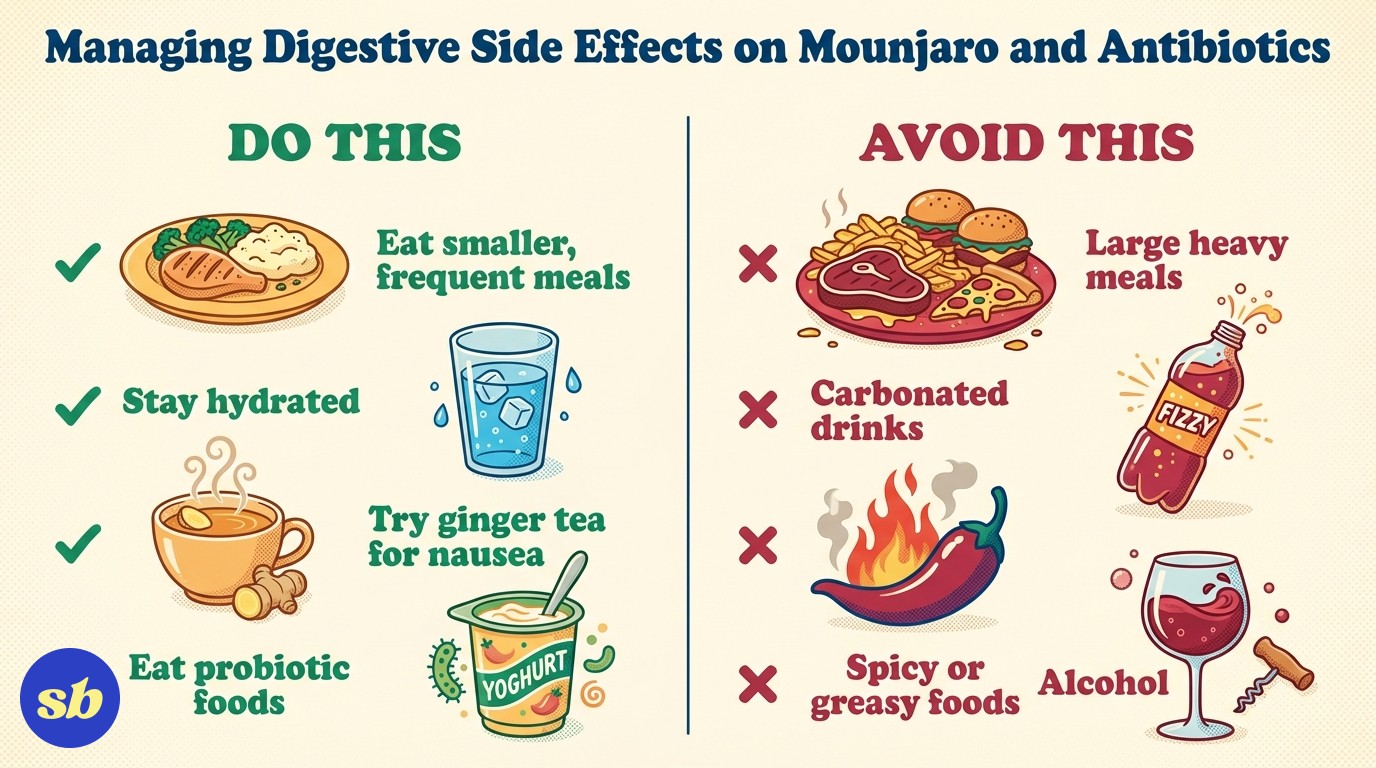
Bloating and constipation can pop up too. Mounjaro slows your stomach, and some antibiotics affect gut motility. If constipation gets bad, add fibre slowly and talk to your GP if it doesn’t ease up after a few days.
Watch out for dehydration. Vomiting or diarrhoea can drain your fluids fast, so don’t ignore it.
Monitoring blood sugar and preventing hypoglycaemia
If you have type 2 diabetes and take Mounjaro alongside other diabetes medications, blood sugar control can get trickier during an infection. Mounjaro helps your body release more insulin when blood sugar is high. This matters especially if you also manage conditions like high blood pressure, since dehydration from illness can affect both blood pressure and blood sugar.
If you’re also on insulin or sulfonylureas (a type of diabetes tablet that stimulates insulin production, such as gliclazide), your risk for low blood sugar goes up. Dizziness, shakiness, confusion, sweating: these are classic hypoglycaemia signs.
Check your blood glucose more often while you’re on antibiotics. Test before meals and a couple of hours after eating to catch any unusual patterns. Keep a record for your doctor.

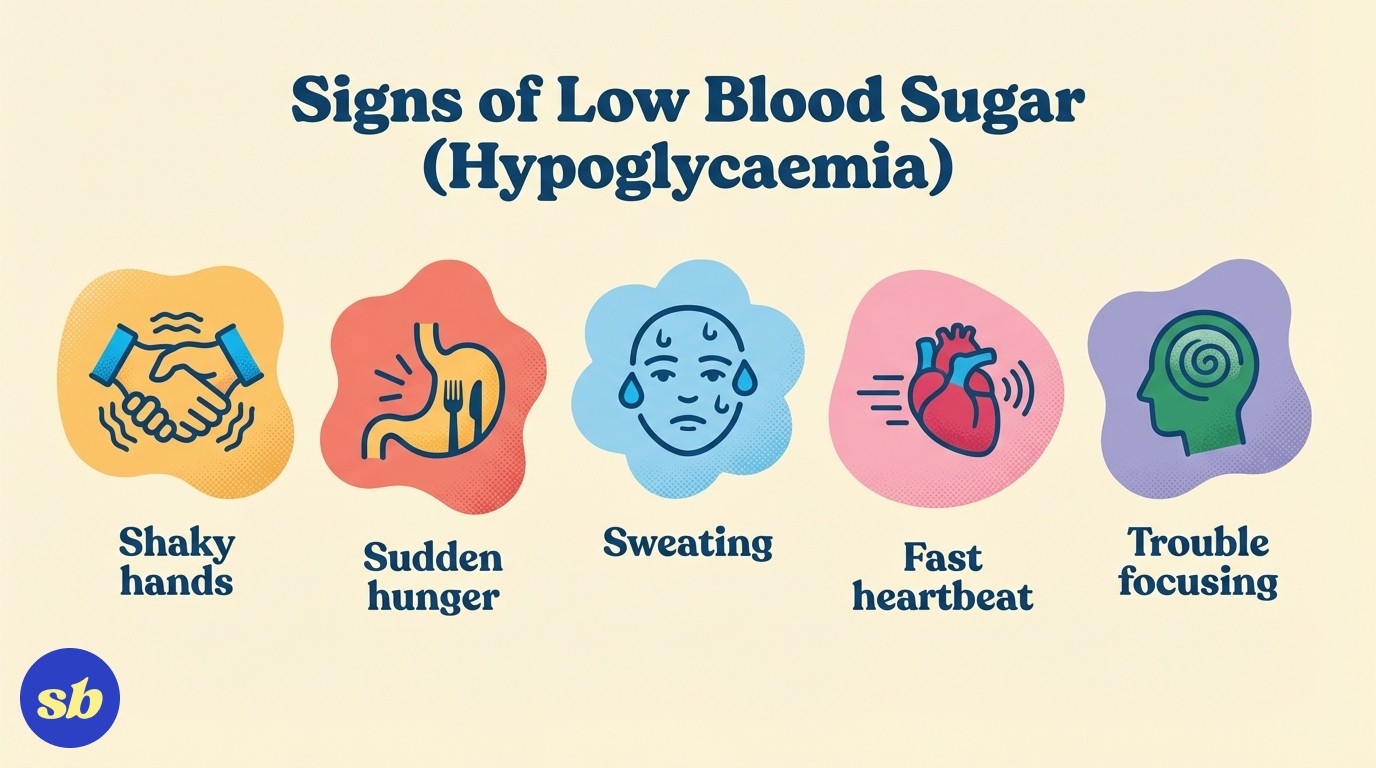
Signs of low blood sugar — contact your GP or prescriber if you notice these:
- Shaky hands
- Sudden hunger or irritability
- Sweating for no reason
- Fast heartbeat
- Trouble focusing
If you spot these, test your blood sugar right away. Keep some glucose tabs or juice handy just in case.
Let your GP adjust your medications if needed. Don’t try to change doses on your own.
Tips for staying hydrated and supporting gut health
Hydration matters a lot when you’re on both Mounjaro and antibiotics. Diarrhoea and vomiting can dry you out quickly, which makes nausea and blood sugar swings worse.
Aim for at least 2 litres of water daily, or 2–3 litres if you’re dealing with diarrhoea or vomiting. The NHS Eatwell Guide recommends 6–8 glasses of fluid daily as a baseline, but you’ll likely need more while managing side effects from both medications. Sipping throughout the day works better than drinking large amounts at once.
Probiotics can help your gut recover from antibiotics. Take them a few hours apart from your antibiotic dose for best results. Look for products with a mix of bacterial strains.
Foods that support gut health:
Skip alcohol while using both medications. It makes dehydration worse and affects blood sugar. Caffeine can also make nausea worse for some people, so it’s worth cutting back for a bit.
If you get severe or lingering side effects, reach out to your healthcare provider. Bad abdominal pain, bloody stools, or signs of dehydration need prompt attention.
Other important considerations for Mounjaro and antibiotic use
Mounjaro can change how your body handles other medications, and some health conditions need extra care when you’re balancing weight loss treatment with an infection.
Interactions with other medications (e.g., oral contraceptives, antidepressants)
Mounjaro’s effect on gastric emptying matters for other oral medications too, especially oral contraceptives.
Because of delayed gastric emptying, your body might not absorb the pill the same way. Use additional barrier contraception (such as condoms) for 4 weeks after starting Mounjaro and for 4 weeks after each dose increase, as the prescribing information specifically advises.
Antidepressants like sertraline, citalopram, and fluoxetine don’t have direct issues with Mounjaro. Still, if you’re struggling with nausea or other stomach problems, it can be tough to keep your antidepressants down, especially early on.
If you’re taking metformin with Mounjaro for metabolic health, your doctor might tweak your metformin dose. Both lower blood sugar, and together they can raise your risk of hypoglycaemia.
A pill organiser is genuinely useful when you’re juggling multiple medications during an infection. It’s simple, but it keeps things straight.
Contraindications and health and eligibility checks
Before prescribing Mounjaro, your healthcare provider will review your contraindications during a health and eligibility assessment. Contraindications are conditions that mean a treatment isn’t suitable for you. For Mounjaro, these include a personal or family history of medullary thyroid carcinoma (a rare type of thyroid cancer), multiple endocrine neoplasia syndrome type 2 (MEN2), and known hypersensitivity to tirzepatide.
If you have a history of pancreatitis (inflammation of the pancreas) or severe gastrointestinal disease, your prescriber will weigh the risks carefully. When you’re prescribed antibiotics on top of Mounjaro, your prescriber can also check whether any of your existing conditions, such as type 2 diabetes, high blood pressure, or kidney problems, need extra monitoring during your course of treatment.
When to pause or adjust Mounjaro during illness
Severe vomiting or diarrhoea from an infection can dehydrate you quickly, and that’s extra risky when you’re taking Mounjaro. Your kidneys can’t process the medication properly if you’re not well-hydrated.
If you’re throwing up a lot or can’t keep any fluids down, it’s worth pausing your Mounjaro dose. Your weight management plan can wait a week while your body deals with the infection.
Some infections might mean you need to fast before a procedure or surgery. Let your doctor know you’re on Mounjaro, since it tends to stay in your system longer than most medications. They could ask you to skip a dose before any planned procedure.
Don’t stop Mounjaro for good unless you talk to your prescriber. Taking a short break during illness is not the same as quitting treatment altogether.
Signs to contact your healthcare provider immediately

Seek immediate medical help if you experience:
- Persistent vomiting that keeps you from drinking fluids or taking your other medications
- Severe abdominal pain that shoots into your back. This could mean pancreatitis (inflammation of the pancreas), a rare but serious side effect of Mounjaro that needs immediate medical attention
- Fast heartbeat or feeling dizzy when you stand up
- Rash, swelling, or trouble breathing. These could be allergic reactions
- A lump in your neck, hoarseness, or difficulty swallowing. These are possible signs of medullary thyroid carcinoma. Your prescriber will have checked your family history for this before starting Mounjaro
Call 999 for suspected allergic reactions or pancreatitis. For anything else you’re unsure about, call your GP or ring 111.
If you have type 2 diabetes, high blood pressure, or other weight-related health conditions, infections can make managing these conditions harder. Some antibiotics can affect blood sugar levels independently of your other medications, and dehydration from illness may cause blood pressure changes. Keep your prescriber informed about how you’re feeling so they can adjust your treatment plan if needed.
The bottom line
Taking antibiotics while on Mounjaro is generally safe, but it pays to be thoughtful about timing and side effects. Let your prescriber know about all your medications, space out oral antibiotics from your Mounjaro injection where possible, stay well hydrated, and monitor your blood sugar if you have type 2 diabetes. If you experience severe abdominal pain, persistent vomiting, or signs of an allergic reaction, seek medical help straight away. Your weight loss treatment can continue alongside most courses of antibiotics. Just keep your healthcare team in the loop.
Frequently asked questions
Can I take amoxicillin with Mounjaro?
Yes, amoxicillin is generally safe to take with Mounjaro. Penicillin-class antibiotics aren’t significantly affected by Mounjaro’s delayed gastric emptying. Take your amoxicillin as prescribed and let your GP know you’re on Mounjaro.
Will antibiotics stop Mounjaro from working?
No. Mounjaro is injected under the skin (using a pre-filled pen), so it bypasses your digestive system entirely. Antibiotics work on bacteria and don’t interfere with how tirzepatide regulates your appetite or blood sugar.
Should I take antibiotics before or after my Mounjaro injection?
If possible, take your oral antibiotics at least 1–2 hours before your Mounjaro injection. This gives the antibiotics time to move through your stomach before Mounjaro slows things down. You could also schedule your weekly Mounjaro shot on a different day from when you start a new antibiotic course.
Can antibiotics affect my blood sugar while on Mounjaro?
Some antibiotics, particularly fluoroquinolones like ciprofloxacin, can affect blood sugar levels on their own. If you have type 2 diabetes and take Mounjaro alongside insulin or sulfonylureas, monitor your blood glucose more frequently while on antibiotics. See the blood sugar monitoring section above for signs to watch for.
What if antibiotics make my Mounjaro side effects worse?
It’s common for digestive side effects to feel worse when you’re taking both medications. Follow the dietary and hydration tips in the managing side effects section above. If symptoms become severe or you can’t keep fluids down, contact your GP — they may be able to adjust your timing or suggest ways to manage symptoms.
Should I stop Mounjaro if I’m very unwell with an infection?
If you’re experiencing severe vomiting or diarrhoea and can’t keep fluids down, speak to your prescriber about pausing your Mounjaro dose. A short break during acute illness won’t derail your weight loss progress, but don’t stop Mounjaro permanently without discussing it with your healthcare team.
Do I need a different antibiotic dose because I’m on Mounjaro?
No. While Mounjaro may slightly delay how quickly oral antibiotics are absorbed, the total amount absorbed remains the same. Your prescriber will dose your antibiotics based on the type of infection, not your Mounjaro use.
Can I take probiotics while on Mounjaro and antibiotics?
Yes. Take them a few hours apart from your antibiotic dose for best results. See the gut health section above for recommended probiotic foods.
This article is for information only and does not replace medical advice. Always speak to your GP or prescriber before making changes to your medication, including starting or stopping antibiotics while taking Mounjaro.
Sources:
-
Mounjaro Summary of Product Characteristics (SmPC) — Medicines.org.uk
-
Mounjaro Patient Information Leaflet — Medicines.org.uk
-
Wegovy Summary of Product Characteristics (SmPC) — Medicines.org.uk
-
NICE TA924: Tirzepatide for managing overweight and obesity — National Institute for Health and Care Excellence
-
BNF: Antibacterials — use of — British National Formulary
-
NHS: Antibiotics — NHS
-
Effect of tirzepatide on gastric emptying — Drug Design, Development and Therapy