
You’re on Mounjaro, sticking to the plan, but the scale just won’t move. It’s frustrating, confusing, and honestly, it makes you question if this whole thing is even worth it.

If you’re not losing weight on Mounjaro, chances are you’re not eating in a calorie deficit (consuming fewer calories than you burn), you’ve hit a normal weight loss plateau, or your dose just isn’t high enough to curb your hunger.
These are the big three, but there are plenty of other reasons things might stall. Other medications, underlying health conditions like obesity-related insulin resistance, and even your approach to food can all play a role. Most of these can be addressed with dietary adjustments, patience, or a conversation with your prescriber about dose changes.
We’ve talked to people in the same boat and pored over research. What stands out is that Mounjaro works best as part of a broader weight management plan that includes real lifestyle changes, not as a standalone fix. Figuring out why you’re stuck is the first step to getting back on track.
Key takeaways

Understanding how Mounjaro supports weight loss
Approved for weight management in people living with obesity, Mounjaro isn’t like older weight loss drugs. Tirzepatide (the active ingredient in Mounjaro) is a dual GLP-1 and GIP receptor agonist, meaning it works on two appetite-regulating hormones instead of one. This dual action helps control hunger and blood sugar, making it one of the most effective treatments currently available and making it easier to eat less.

How GLP-1 and GIP hormones affect appetite and metabolism
Mounjaro contains tirzepatide, which mimics two gut hormones: GLP-1 (glucagon-like peptide-1) and GIP (glucose-dependent insulinotropic polypeptide). These hormones tell your brain when you’re full.
When you take Mounjaro, food leaves your stomach more slowly. You stay satisfied longer after meals.
It also acts on the appetite centre in your brain, cutting down cravings for high-calorie foods.
Tirzepatide’s dual action is why it often outperforms medications that only target GLP-1. The GIP component helps your body use insulin better, which can mean less fat gets stored. (Mounjaro Summary of Product Characteristics)
But let’s be real — this isn’t magic. Mounjaro helps you eat less, but you still need to make good choices.
What to expect: typical weight loss results and timeline
Most people notice some weight loss within the first two to four weeks on Mounjaro. It might only be a kilo or two at first.
The bigger changes usually show up after three to six months. In the SURMOUNT-1 trial (a large clinical study of over 2,500 people with obesity, published in the New England Journal of Medicine), participants lost 15–22.5% average body weight over 72 weeks, with results varying by dose. Individual results vary significantly. For someone weighing 100kg (about 15 stone 10lb), that could mean losing 15–22.5kg (roughly 2½–3½ stone) over that period. (Jastreboff AM, et al. NEJM 2022)
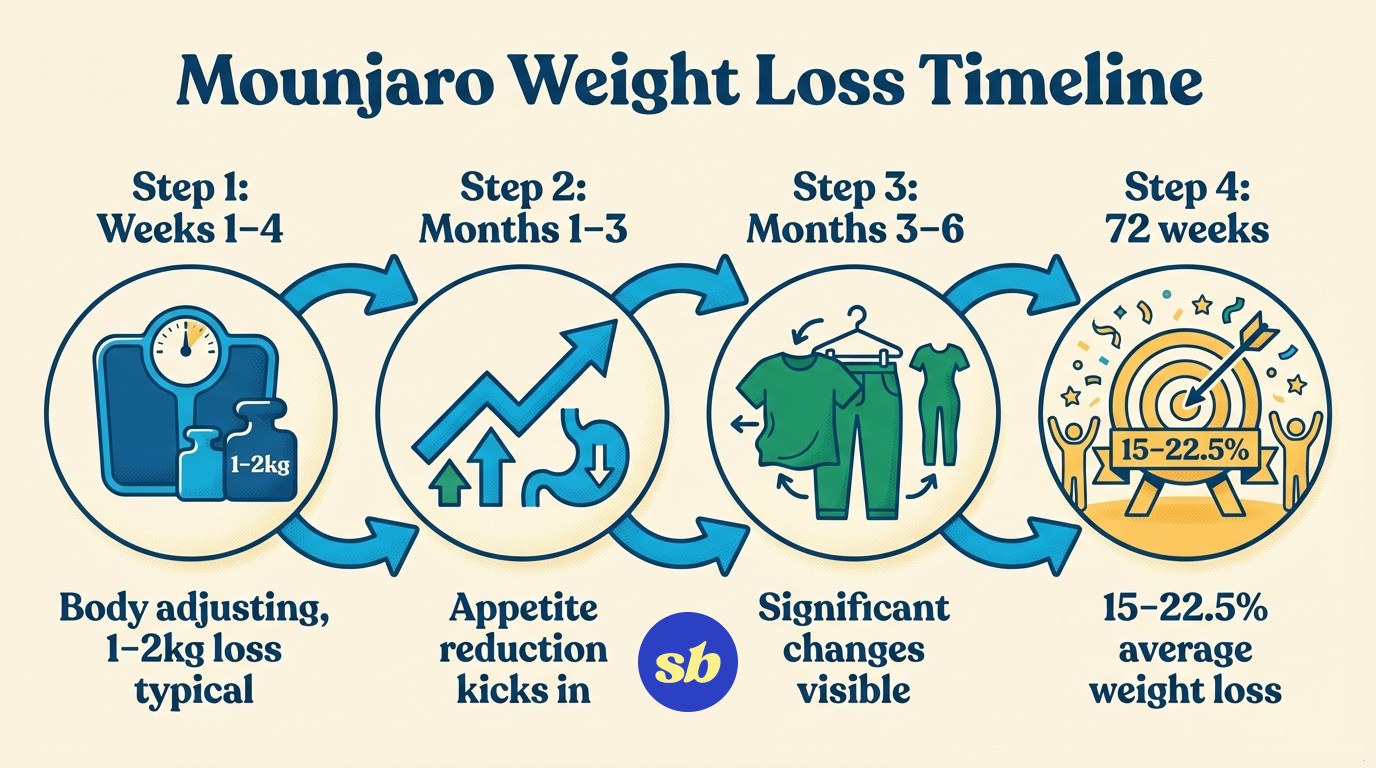
You start at a low dose so your body can adjust and you avoid nasty side effects. It takes about four to five weeks for Mounjaro to reach steady levels in your system. Most side effects improve within 2–4 weeks as your body adjusts to each dose. (Mounjaro SmPC)
The appetite-suppressing effect can sometimes wear off after four or five days during that first month at the starting dose.
As you move up to higher doses, weight loss tends to get more steady.
The importance of patience and realistic expectations
Everyone wants quick results. But Mounjaro doesn’t work overnight, and honestly, slow and steady is safer.
A healthy weight loss pace is about half a kilo to one kilo (1–2lb) per week. Go faster and you risk losing muscle, which makes keeping the weight off way harder.
Plateaus will happen. The scale won’t budge for a week or two, maybe longer. That’s normal. It doesn’t mean Mounjaro has stopped working.
Some folks feel less hungry but still don’t lose much if they don’t change what they eat. The medication helps with appetite, but you get the best results when you focus on whole, minimally processed foods instead of ultra-processed stuff. (NHS Eatwell Guide)
Primary reasons for not losing weight on Mounjaro
A few things can slow or stall your weight loss on Mounjaro. Maybe you haven’t been on it long enough, your dose is too low, or you’re hitting a natural plateau.
Insufficient time on the medication
Mounjaro needs time. It doesn’t work instantly. The medication takes about 4–5 weeks to build up in your bloodstream. Before then, hunger might come back a few days after your shot.
Real weight loss usually starts after three months of steady use. In the SURMOUNT-1 trial, people lost 15–22.5% of their starting weight over 72 weeks. That’s close to a year and a half.
Lots of us hope for big changes in the first month. If that doesn’t happen, it feels like something’s wrong. But early weight loss is typically just 1–2kg in the first couple of weeks.
Don’t just watch the scale. Take progress photos or measure your waist. Sometimes you’ll see changes there before the number moves.
Being on a low or suboptimal dose
Your dose might just not be high enough to really cut your hunger. Doctors start you low to avoid side effects like nausea.
You’ll start on 2.5mg once weekly for 4 weeks, with dose increases every 4 weeks. Maintenance doses range from 5mg, 7.5mg, 10mg, 12.5mg, or 15mg depending on your response and tolerability, up to a maximum of 15mg once weekly. Many people notice the lower doses wear off after a few days, and hunger sneaks back in. (NICE TA1026)
Dose increases often bring back that appetite-suppressing effect. The 15mg dose showed the highest average weight loss in the SURMOUNT-1 trial, up to 22.5% of body weight.
If you’ve been on the same dose for months and nothing’s happening, talk to your prescriber. Maybe it’s time to go up.
Hitting a weight loss plateau
Plateaus are just part of the deal. They happen to pretty much everyone, Mounjaro or not.
Your brain tracks what you eat and how much fat you have. When it notices you’re losing fat and eating less, it slows down your metabolism. It’s just your body trying to keep you safe from what it thinks is starvation.
Understanding weight loss plateaus can help you get through them. Keep up your healthy habits. Over time, your body’s “set point” (the weight range your body naturally tries to maintain) can gradually shift lower if you stick with it.
If you have insulin resistance or type 2 diabetes, your plateaus might look a bit different. These conditions change how your body stores and uses energy.
Try using apps like MyFitnessPal to track what you’re eating during a plateau. Sometimes we eat more than we realise, especially as our bodies adjust.
Diet, lifestyle, and behavioural challenges
Even with Mounjaro helping, certain habits can get in the way. Small mistakes in calorie counting, not moving enough, or emotional eating can slow your progress before you even notice.
Hidden calories and calorie intake miscalculations
We’ve all thought we were eating less, only to see no change.
Hidden calories sneak in everywhere. Cooking oils, salad dressings, and sauces can add a couple of hundred calories per meal without you noticing. Just a tablespoon of olive oil packs about 120 calories.
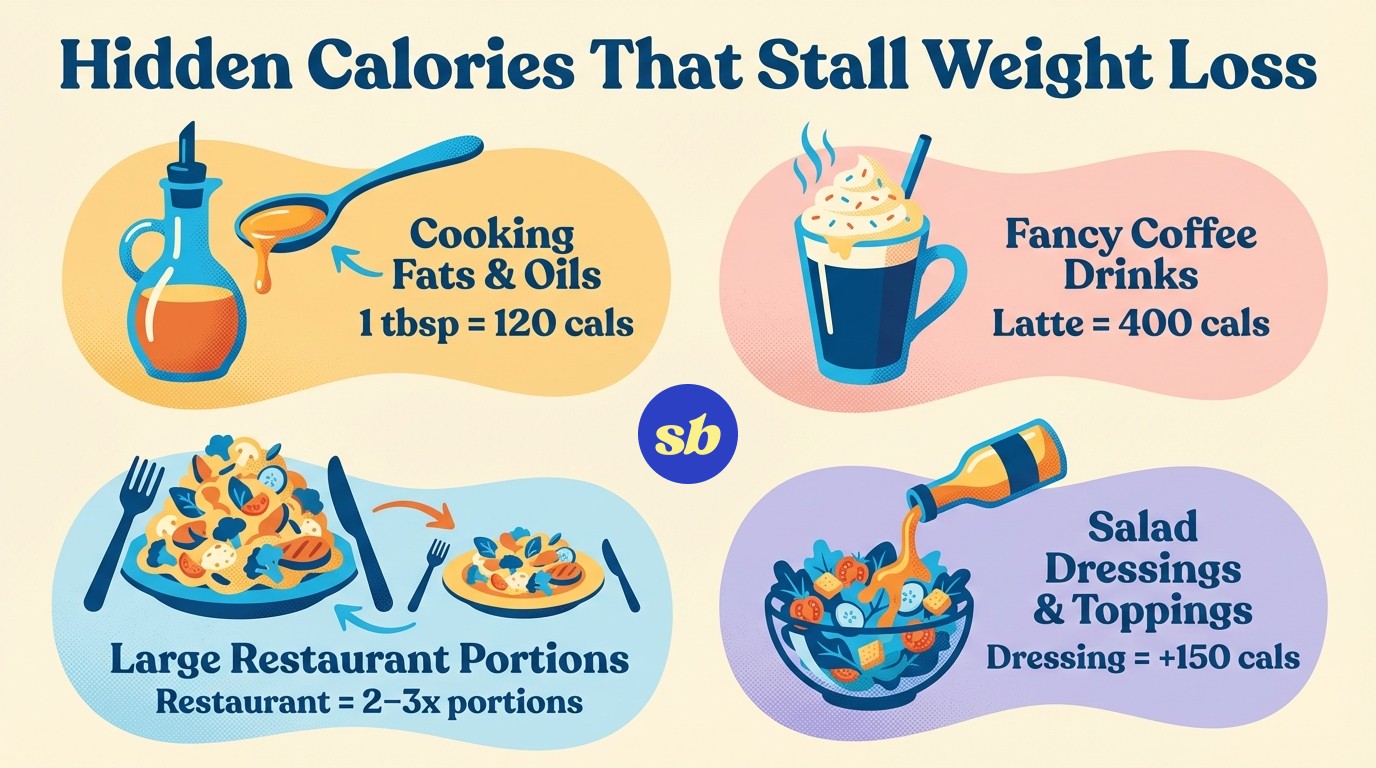
Drinks are a big one too. Juices, fancy coffees, and alcohol don’t fill you up like food does. You could drink 400 calories in a latte and still be hungry an hour later.
Portion sizes are tricky. Restaurant meals often have double or triple the calories of what you’d make at home. Even healthy foods (nuts, avocados, whole grains) can add up if you don’t watch your portions.
Not achieving a calorie deficit
Mounjaro significantly reduces appetite, but that doesn’t guarantee you’ll eat in a calorie deficit.
We eat for all kinds of reasons: stress, boredom, social situations, habit. If you used to eat a lot of ultra-processed food, you might keep doing that and still get too many calories.
The medication gives you a chance. It makes healthy choices a bit easier, but you still have to make them.
During active weight loss, aim for 1.0–1.2g of protein per kilogram of body weight daily. For someone weighing 80kg, that means roughly 80–100g of protein spread across the day, about a palm-sized portion at each meal. Protein helps you keep muscle as you lose weight and keeps you full longer.
Pair your protein with healthy fats and lots of vegetables. That combo helps you feel satisfied on fewer calories and gives your body what it needs.
A Mediterranean diet pattern (built around vegetables, olive oil, fish, legumes, and whole grains) works particularly well alongside Mounjaro. It’s naturally high in protein and healthy fats, keeps you satisfied on fewer calories, and gives your body the nutrients it needs during weight loss.
Staying well hydrated also supports weight loss. Aim for at least 2 litres of water daily. The NHS Eatwell Guide recommends 6–8 glasses of fluid daily as a baseline, but you may need more during active weight loss.
Lack of physical activity
Exercise really does matter if you want the best results from Mounjaro. Moving your body helps you keep muscle while you lose weight and improves your overall shape.
Strength training is more important than cardio for holding onto muscle. When you lose weight, you lose both fat and muscle, but lifting weights or doing resistance work helps you keep the muscle.
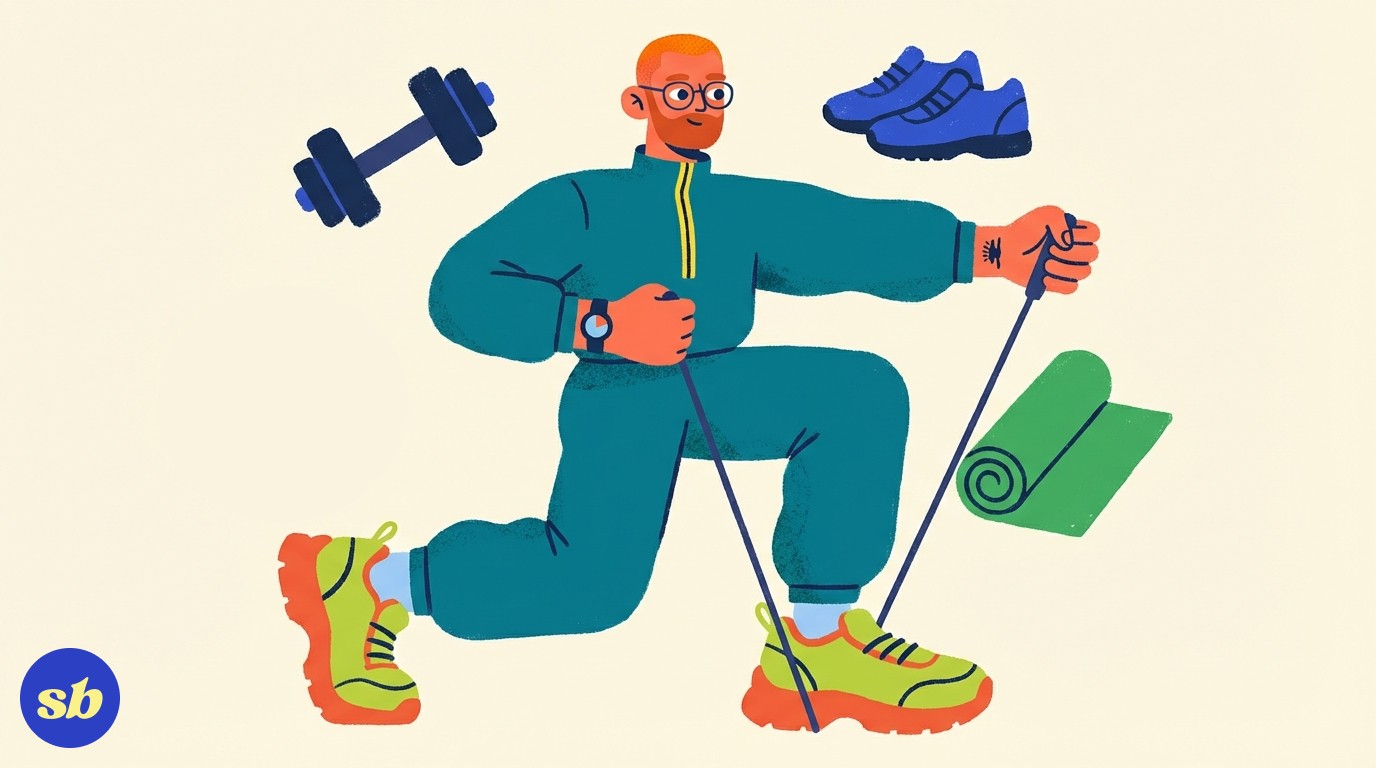
You don’t need a gym. Resistance bands, bodyweight moves, or even stuff around the house work fine. Any movement is better than none.
Walking counts. Shoot for 150 minutes of moderate activity a week, about 20 minutes a day. Start small if you need to, and ramp up as you feel ready.
Some people feel less energetic for tough workouts at first on Mounjaro. If that’s you, go easy. Gentle movement still helps.
Emotional eating and nutrition pitfalls
Mounjaro can’t quiet every food thought. It helps with physical hunger, but emotional eating comes from somewhere else.
Stress, feeling lonely, celebrating, or just being bored can make us eat even when we’re not hungry. Sometimes it’s just habit.
What’s around you matters. If you keep biscuits or crisps in plain sight, you’ll probably eat them. We reach for what we see.
Social events can be tough. Family dinners, work parties, meals with friends — food is everywhere. Peer pressure can override any appetite control.
Try to notice why you’re eating. Are you actually hungry, or is it something else? That one question can save you a lot of extra calories.
Find some support. Whether it’s friends, family, or a group, having people who get it makes a difference. You’ll pick up real-life tips and get a boost when old habits try to creep back in.
Other weight loss medications like Wegovy (semaglutide) and Saxenda (liraglutide) also work best when paired with lifestyle changes. The medication gives you space to build new habits, but you still have to do the building.
Medical and physiological factors affecting progress
Sometimes your body just doesn’t cooperate, even if you’re doing everything right. Some health conditions and medications can slow down weight loss on Mounjaro, no matter how hard you try.
Mounjaro isn’t suitable for everyone. It’s not recommended if you have certain thyroid conditions (such as a personal or family history of medullary thyroid carcinoma or MEN2 syndrome), or if you’ve had pancreatitis. Your prescriber will check for these during your consultation.
If you take oral contraceptives, be aware that Mounjaro may reduce their effectiveness. Use additional barrier contraception (such as condoms) for 4 weeks after starting treatment and for 4 weeks after each dose increase.
Insulin resistance and blood sugar control
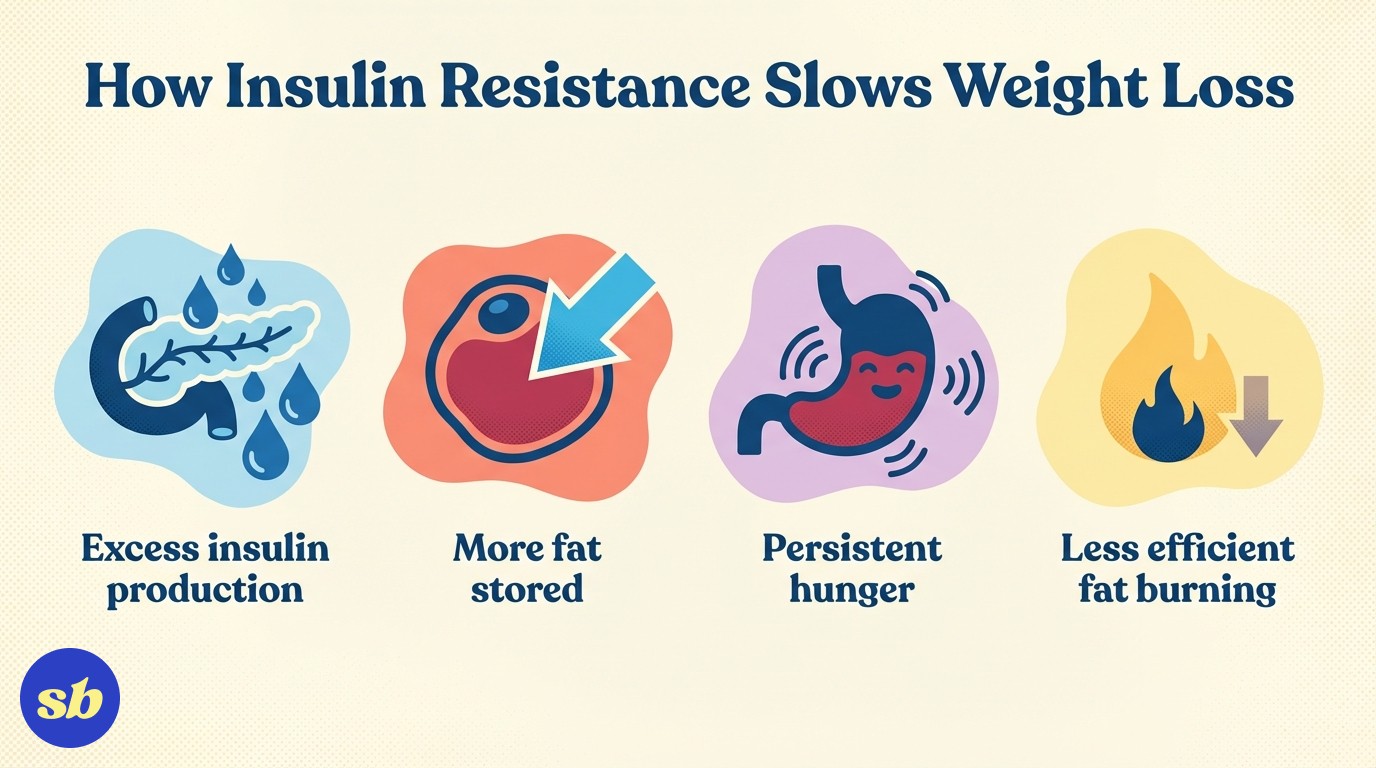
Insulin resistance means your cells don’t respond properly to insulin, the hormone that moves sugar from your blood into your cells for energy. When this happens, your body produces more insulin to compensate, and high insulin levels promote fat storage. This makes losing weight tougher.
People with type 2 diabetes often deal with this. They might lose weight more slowly on Mounjaro than someone without it. The upside? Mounjaro actually helps your body become more sensitive to insulin over time.
How insulin resistance affects weight loss:

The SURMOUNT-1 trial showed Mounjaro works for people with insulin resistance, but it can take longer. You’ll need patience and consistency.
If you’ve had high blood sugar for years, your body needs time to reset. Metabolic changes don’t happen overnight.
Thyroid and hormonal imbalances
Our thyroid controls how fast we burn calories. If it isn’t working right, losing weight feels nearly impossible.
Hypothyroidism (an underactive thyroid) slows our metabolism significantly. We end up burning fewer calories, feeling wiped out, and struggling with weight loss. (NHS — Underactive thyroid)
Even if Mounjaro cuts our appetite, an underactive thyroid can hold us back. It’s a frustrating roadblock.
Common hormonal issues that affect weight loss:
| Condition | How it affects weight loss |
|---|---|
| Hypothyroidism | Slows metabolism, causes fatigue, and makes weight loss harder even with reduced appetite |
| PCOS | Increases insulin resistance and fat storage |
| Menopause | Changes where we store fat and reduces muscle mass |
| High cortisol | Promotes belly fat and increases appetite |
Treating these conditions alongside Mounjaro matters. If you’re not seeing the results you expected, checking your thyroid levels is a sensible first step.
The right thyroid medication can really boost how well Mounjaro works for you.
Water retention and cortisol effects
Water retention can hide fat loss on the scale. You might be losing fat, but the numbers don’t move because you’re holding onto extra fluid.
Cortisol, the stress hormone, is a big culprit here. When cortisol stays high, your body hangs onto water and stubborn belly fat. Chronic stress can significantly raise cortisol levels, making it harder to see progress on the scale.
Factors that increase water retention:
Some people experience water retention as a Mounjaro side effect. Usually, this calms down after a few weeks.
If it sticks around, it’s worth talking to your prescriber.
Managing stress with better sleep or relaxation can lower cortisol, which makes water retention less of a problem and lets you actually see your progress.
Impact of other medications or health conditions
Some medications work against weight loss, even when you’re on Mounjaro. They might ramp up your appetite, slow down your metabolism, or affect how your body stores fat.
Medications that can interfere with weight loss:
| Medication type | How it affects weight | What to do |
|---|---|---|
| Antidepressants | Can increase appetite and slow metabolism | Discuss alternatives with your doctor |
| Corticosteroids | Promote fat storage and water retention | Use lowest effective dose |
| Beta blockers | Reduce energy expenditure | May need dose adjustment |
| Sulfonylureas | Increase insulin, promoting fat storage | Doctor may switch diabetes medication |
Sulfonylureas really stand out here. They boost insulin production, which can work directly against what Mounjaro tries to do.
Don’t just stop any medication on your own — always talk to your prescriber first. But you can ask whether there’s an alternative that might support your weight loss instead of making it harder.
Sometimes, a medication switch changes everything.
Conditions like sleep apnoea, PCOS, and chronic inflammation can slow down weight loss too. Tackling those issues alongside your Mounjaro treatment gives you the best chance of seeing results.
When to seek medical attention
If you’re not losing weight despite good habits, that’s worth discussing with your prescriber. But some symptoms need more urgent attention.

Seek immediate medical help if you experience:
- Severe abdominal pain, especially radiating to your back (potential pancreatitis)
- Signs of allergic reaction: facial swelling, difficulty breathing, severe rash
- Persistent vomiting that won’t stop
- Confusion, fainting, or severe weakness
Call 999 for suspected allergic reactions or pancreatitis.

See your GP or prescriber if you notice:
- No weight loss after 3+ months at an adequate dose
- Symptoms of thyroid problems: unexplained fatigue, feeling cold, constipation, dry skin
- Signs of gallbladder issues: pain in the upper right abdomen after eating
- New or worsening mood changes
- Hair loss that concerns you

These are normal and usually settle within 2–4 weeks:
- Mild nausea, especially in the first week after a dose increase
- Reduced appetite (this is the medication working as intended)
- Minor digestive changes like bloating or mild constipation
- Feeling less hungry than expected — you may need to remind yourself to eat enough
The bottom line
If you’re not losing weight on Mounjaro it doesn’t mean it’s not working. The most common culprits are insufficient time on the medication, a dose that hasn’t been optimised yet, hidden calories, or a natural plateau. Start by honestly tracking what you eat for a week, make sure you’re getting enough protein (1.0–1.2g per kilogram of body weight daily), and stay active. If you’ve been stuck for more than 4–6 weeks with good habits, speak to your prescriber. A dose increase or a check for underlying conditions like thyroid issues or insulin resistance could make all the difference.
For more information on healthy eating during weight loss, see the NHS Eatwell Guide. You can also check your BMI to understand where you stand and explore the NHS weight management resources for additional support.
Frequently asked questions
How long does Mounjaro take to work for weight loss?
Mounjaro takes about 4–5 weeks to reach steady levels in your bloodstream at each dose. Most people notice some appetite reduction within the first few weeks, but meaningful weight loss typically starts after 2–3 months of consistent use. In the SURMOUNT-1 trial, participants lost 15–22.5% of their body weight over 72 weeks, so this is a long-term treatment, not a quick fix. (Jastreboff AM, et al. NEJM 2022)
Why am I not losing weight on Mounjaro after 3 months?
If you’ve been on Mounjaro for 3 months without significant weight loss, the most likely reasons are: you’re not in a calorie deficit despite reduced appetite, your dose isn’t high enough, or an underlying condition like insulin resistance or thyroid problems is slowing your progress. Track your food intake honestly for a week and speak to your prescriber about whether a dose increase or additional investigations are needed.
Can I lose weight on the 2.5mg starting dose of Mounjaro?
The 2.5mg dose is primarily an introductory dose designed to help your body adjust and minimise side effects like nausea. Some people do lose a small amount of weight at this dose, but it’s not expected to produce significant results. Your prescriber will increase your dose every 4 weeks, and most people see better results at higher maintenance doses (5mg–15mg).
How do I break a weight loss plateau on Mounjaro?
Plateaus are a normal part of weight loss. To work through one: review your food intake for hidden calories, make sure you’re eating enough protein (1.0–1.2g per kilogram of body weight daily), increase your physical activity (especially strength training), manage stress and sleep, and stay hydrated with at least 2 litres of water daily. If a plateau lasts more than 4–6 weeks, speak to your prescriber about a dose adjustment.
Does Mounjaro stop working after a while?
Mounjaro doesn’t stop working, but your body does adapt. As you lose weight, your body burns fewer calories (because there’s less of you to fuel), which can slow further weight loss. This isn’t the medication failing — it’s normal physiology. A dose increase, dietary adjustments, or adding more physical activity can help restart progress.
What foods should I eat while taking Mounjaro?
Focus on whole, minimally processed foods: lean protein (chicken, fish, eggs, legumes), plenty of vegetables, whole grains, and healthy fats (olive oil, nuts, avocado). A Mediterranean diet pattern works well for many people on weight loss medication. Avoid ultra-processed foods, sugary drinks, and excessive alcohol. Eat slowly and stop when you feel satisfied rather than full.
Can other medications affect weight loss on Mounjaro?
Yes. Some medications can work against weight loss, including certain antidepressants, corticosteroids, beta blockers, and sulfonylureas (a type of diabetes medication that increases insulin production). If you suspect your other medications are affecting your progress, speak to your prescriber. They may be able to suggest alternatives. Never stop or change medications without medical advice.
Is Mounjaro available on the NHS?
Mounjaro is available on the NHS through specialist weight management services if you’re living with obesity and have weight-related health conditions such as type 2 diabetes, high blood pressure, or sleep apnoea. Access through GP practices is initially limited to those with the highest clinical need: a BMI of 40+ (or 37.5+ if you’re of Asian, Black African, African-Caribbean, or Middle Eastern heritage) plus at least 4 weight-related conditions. Eligibility may vary by area — check with your local integrated care board (ICB) for specific criteria in your region. (NHS England — Weight management injections)
When should I contact my doctor about lack of weight loss?
Contact your prescriber if: you’ve been on an adequate dose for 3+ months with no weight loss despite good dietary habits, you’re experiencing persistent or worsening side effects, you notice symptoms of thyroid problems (unexplained fatigue, feeling cold, dry skin), or you’re feeling discouraged and need support. Your prescriber can check for underlying conditions, adjust your dose, or refer you for additional support.
This article is for information only and doesn’t replace medical advice. Mounjaro is a prescription medication — speak to your GP or prescriber before making any changes to your treatment, dose, or other medications.
Sources:
-
SURMOUNT-1 trial — Tirzepatide Once Weekly for the Treatment of Obesity — New England Journal of Medicine, 2022
-
NICE TA1026 — Tirzepatide for managing overweight and obesity — National Institute for Health and Care Excellence
-
Mounjaro Summary of Product Characteristics — Electronic Medicines Compendium
-
NHS Eatwell Guide — NHS
-
NHS England — Weight management injections — NHS England